Garden beds are one of the first things people notice about a property — and what you put on top of the soil matters just as much as what you plant in it. Most homeowners default to mulch. But decorative stone for garden beds is gaining ground, and for good reason: it lasts longer, looks cleaner, and suits certain planting situations better than organic material.
If you’ve been thinking about making the switch — or just want to understand your options before your next delivery — here’s a practical breakdown of how decorative stone works in garden beds, when it makes sense, and what to use.
Why Homeowners Are Choosing Decorative Stone Over Mulch for Garden Beds
Mulch has a lot going for it — it enriches soil as it breaks down, retains moisture well, and is the right call for heavily planted perennial beds. But it comes with ongoing costs: reapplying every one to two years, fading color, floating during heavy rain, and in humid summers it can harbor pests and mold if applied too thick.
Decorative stone doesn’t have any of those problems.
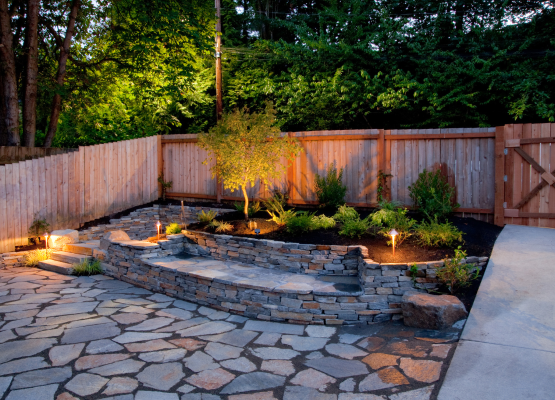
A properly installed decorative stone bed — set over landscape fabric with clean edging — looks the same in year five as it did on day one. It doesn’t fade, doesn’t wash away, and doesn’t need seasonal replenishment. For homeowners in Chester County with foundation plantings, front entry beds, or areas where visual consistency matters year-round, that’s a meaningful advantage.
The tradeoffs are real too: stone doesn’t add organic matter to the soil, can reflect more heat in summer, and is harder to remove if you change your mind. Knowing when stone is the right call — and when mulch still wins — is the key to using it well.
Best Uses for Decorative Stone in Garden Beds
Foundation Planting Beds
The most popular application. Foundation beds along the front of a home are highly visible and benefit from a clean, consistent surface material. Decorative stone holds its look without seasonal fading, and with proper edging it stays put much better than mulch along walkways and driveways.
River rock in the 1–3 inch range gives a natural, rounded look that pairs well with evergreen shrubs and ornamental grasses. Pea gravel is smaller and more uniform, giving a cleaner, more formal appearance.
Low-Traffic Side Yards and Utility Areas
Side yards between homes, areas behind fences, and narrow utility strips are difficult to maintain. Grass doesn’t grow well, mulch needs constant refreshing, and these areas rarely get enough attention to stay looking good.
A layer of decorative stone set over weed fabric essentially eliminates maintenance in these areas. It suppresses weeds, manages drainage, and requires nothing beyond an occasional rinse.
Dry Creek Beds and Drainage Channels
If part of your yard has a natural low point where water collects and runs, a decorative stone drainage channel solves a functional problem while adding a design element at the same time. River rock is the standard material here — its smooth, rounded surface allows water to move freely while looking completely intentional.
Xeriscaping and Low-Water Planting Areas
Decorative stone is a natural fit for drought-tolerant designs featuring ornamental grasses, native plants, and sedums. These plants don’t need the soil enrichment that organic mulch provides. Stone keeps the bed polished without creating moisture retention that can harm plants suited to drier conditions.
Entryways and Border Accents
A band of pea gravel or marble chip between a planting bed and a paved surface gives a finished, professional look to the transition zone. It’s a detail most homeowners don’t think to add, but it makes a significant difference in how polished a property looks from the street.
Choosing the Right Decorative Stone for Your Garden Bed
River Rock (3/8″ to 1–3″ range) Smooth, naturally tumbled, and available in a range of sizes. The most versatile decorative stone for garden beds — works in foundation plantings, drainage beds, and naturalistic landscape designs.
Pea Gravel Small, rounded, and uniform in size. Creates a clean, polished surface that works well in formal bed designs and around patios. Tends to shift slightly underfoot, so it’s better for ornamental beds than high-traffic areas.
Marble Chips / White Decorative Stone High contrast against dark soil and green plantings. Particularly effective in foundation beds and formal gardens. Light stone can reflect significant heat in summer, which affects plant selection.
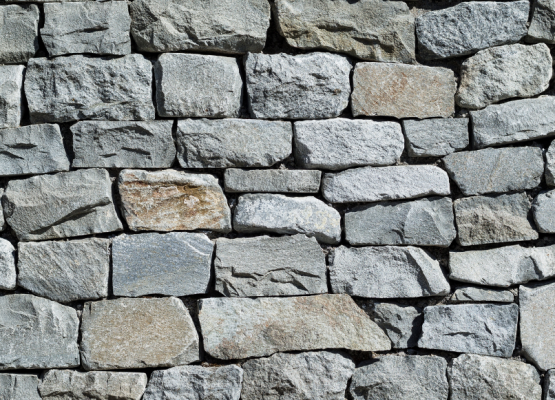
Quarry Stone / Crushed Stone Angular rather than rounded — compacts and stays in place better than smooth stone. Good for utilitarian areas and drainage applications. Less decorative but highly functional.
Browse the full selection at Mulch & More’s decorative stone page to see what’s currently available.
How to Install Decorative Stone in a Garden Bed
Step 1 — Edge the bed clearly. Clean, defined edging is essential. Without it, stone migrates into the lawn and grass creeps into the bed. Metal or plastic landscape edging set just below grade is the most reliable option.
Step 2 — Install landscape fabric. Quality woven landscape fabric (not plastic sheeting, which prevents water and air movement) goes down before the stone. This is the weed barrier that makes decorative stone genuinely low maintenance.
Step 3 — Cut holes for existing plants. Cut X-shaped openings in the fabric for each plant and fold the edges down around the base.
Step 4 — Apply stone at the right depth. Two to three inches is the standard depth. Enough to suppress weeds and look full — not so much that drainage is affected.
Step 5 — Rinse and settle. A light rinse with a garden hose after installation settles the stone and washes off dust. The bed looks its best within a day of settling.
How Much Decorative Stone Do You Need?
Stone is sold by the cubic yard or ton. To calculate what you need: multiply the length of your bed (in feet) by the width (in feet), multiply by your desired depth in feet (2 inches = 0.167 feet, 3 inches = 0.25 feet), and divide by 27 to get cubic yards.
Mulch & More has a materials calculator built right into the website — plug in your dimensions and it does the math for you.
Order Decorative Stone With Same-Day or Next-Day Delivery
Mulch & More carries a full range of decorative stone and river rock products, available for delivery throughout Chester County, Delaware County, and Montgomery County — including same-day delivery on many orders.
Shop decorative stone → View delivery information → Contact us → | (610) 644-8086