Why Mulch Type Matters
Mulch is more than just a finishing touch; it’s a workhorse for your landscape. The type of mulch you choose can directly affect plant health, moisture levels, soil temperature, and even your yard’s appearance. Some mulch breaks down over time and enriches the soil, while others are long-lasting and decorative. Whether you’re trying to suppress weeds, boost curb appeal, or create a soft landing zone for kids and pets, understanding the differences between mulch types can save you time, money, and frustration.
Organic Mulch Options
Organic mulch is made from natural materials that decompose over time, enriching the soil in the process. It’s the go-to choice for gardeners and landscapers who want to improve plant health and soil structure.
1. Shredded Hardwood Mulch
- Best for: General landscaping, flower beds, tree rings
- Pros: Affordable, widely available, attractive dark finish
- Cons: Breaks down fairly quickly and may need annual refreshing
Shredded wood mulch is one of the most popular choices for homeowners. It’s easy to spread, holds moisture well, and breaks down over time to improve soil. It typically has a rich brown color and can be dyed black or red for added visual impact. It’s also a great option for suppressing weeds when applied at 2–4 inches deep.
2. Pine Bark Mulch
- Best for: Acid-loving plants, sloped terrain
- Pros: Lightweight, improves drainage, long-lasting
- Cons: Can float or blow away in heavy rain or wind
Pine bark mulch comes in nuggets, mini-nuggets, or shredded form. It’s a top choice for gardeners with azaleas, rhododendrons, or hydrangeas, as it naturally adds acidity to the soil. Its coarse texture also helps it resist compacting, which makes it useful for slopes where erosion is a concern.
3. Cedar Mulch
- Best for: Garden beds, pest-prone areas
- Pros: Pleasant scent, natural insect-repelling oils, slow to decompose
- Cons: More expensive than hardwood mulch
Cedar mulch is prized for both aesthetics and functionality. The aromatic oils in cedar help repel pests like ants, termites, and gnats, making it an excellent choice for garden beds and outdoor seating areas. It breaks down slower than hardwood, so you won’t need to replenish it as often.
4. Straw Mulch
- Best for: Vegetable gardens, temporary ground cover
- Pros: Lightweight, inexpensive, adds organic matter
- Cons: Blows away easily, may contain weed seeds if not certified
Straw mulch is common in vegetable gardening because it’s easy to move around, provides a breathable barrier for seedlings, and helps maintain consistent soil temperatures. However, it decomposes quickly and may need to be replenished often.
5. Compost Mulch
- Best for: Improving soil health
- Pros: High in nutrients, great for plant growth, retains moisture
- Cons: Less decorative, may contain weed seeds if not well-composted
Compost mulch is ideal for gardeners who prioritize plant health over aesthetics. It acts as both a mulch and a slow-release fertilizer, enriching the soil with organic matter. It’s often used as a top-dressing for garden beds or around shrubs and perennials.
Inorganic Mulch Options
Inorganic mulch doesn’t decompose, which means it lasts longer and requires less frequent replacement. While it doesn’t contribute nutrients to the soil, it can be a smart choice for low-maintenance landscaping and high-traffic areas.
1. Rubber Mulch
- Best for: Playgrounds, dog runs, high-traffic zones
- Pros: Long-lasting, great cushioning, doesn’t attract pests
- Cons: Expensive upfront, doesn’t improve soil, may retain heat
Rubber mulch, often made from recycled tires, is gaining popularity for play areas and pathways. It’s bouncy, safe, and won’t break down like organic mulch. It also resists mold and pests. However, it doesn’t offer any benefits for plant growth and may not be ideal for garden beds.
2. Stone or Gravel Mulch
- Best for: Rock gardens, xeriscaping, areas with drainage needs
- Pros: Permanent, great for erosion control, low maintenance
- Cons: Expensive, retains heat, can make soil compact and dry
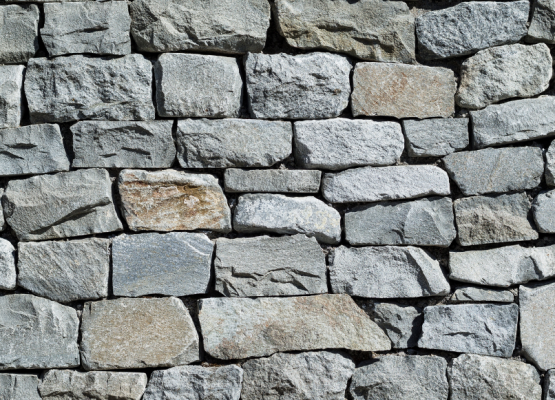
Stone mulch includes options like pea gravel, river rock, or crushed granite. It’s perfect for landscapes that don’t require much watering, and it won’t blow away or wash out like organic mulch. However, it can heat up and damage plant roots in hot climates, so it’s best used away from delicate vegetation.
3. Faux Mulch / Decorative Alternatives
- Best for: Modern landscapes, aesthetic-driven designs
- Pros: Uniform look, durable, no decomposition
- Cons: Pricey, purely decorative, no soil benefits
Faux mulch includes synthetic bark or rubber chips made to resemble real wood. It offers a polished, consistent look that lasts for years without maintenance. These materials don’t break down or shift with weather, but they offer no value to your soil or plant life.
Best Mulch for Common Use Cases
Choosing the right mulch depends on where you’re using it and what your goals are. Here’s a breakdown of top mulch picks for common applications:
- Flower Beds: Shredded hardwood or dyed mulch for aesthetics and moisture retention
- Vegetable Gardens: Straw or compost for natural nutrients and breathability
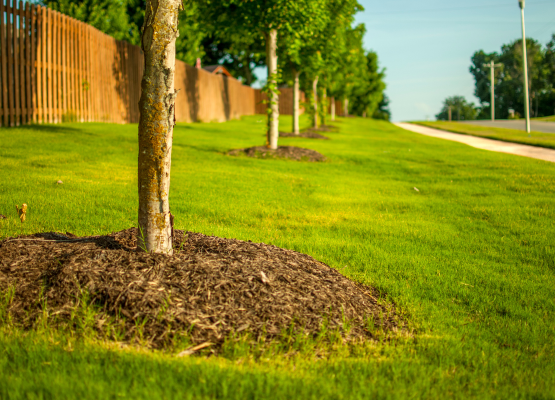
- Tree and Shrubs: Pine bark or hardwood to maintain soil health (avoid piling it on the trunk!)
- Playgrounds: Rubber mulch for safety and durability
- Pet-Friendly Areas: Cedar or rubber mulch (avoid cocoa mulch—it’s toxic to dogs)
- Sloped Landscapes: Pine bark mini-nuggets or shredded mulch that locks in place
- Pathways & Borders: Stone or gravel mulch to prevent erosion and stay in place long-term
Each zone in your yard may benefit from a different material—don’t be afraid to mix and match for function and beauty.
Pros & Cons of Different Mulch Types
Shredded Hardwood Mulch
Pros:
- Affordable and widely available
- Improves soil health as it decomposes
- Effective at suppressing weed growth
Cons:
- Breaks down relatively quickly
- May require annual replenishment
Pine Bark Mulch
Pros:
- Long-lasting and lightweight
- Adds natural acidity for acid-loving plants
- Enhances soil drainage
Cons:
- May blow away or float in heavy rain
- Slightly more expensive than hardwood
Cedar Mulch
Pros:
- Naturally repels insects and pests
- Slow to decompose
- Pleasant scent
Cons:
- Higher cost
- Limited availability in some regions
Straw Mulch
Pros:
- Excellent for vegetable gardens and seedlings
- Lightweight and easy to apply
- Breaks down to improve soil
Cons:
- Prone to blowing away
- Short lifespan; needs frequent replacement
Compost Mulch
Pros:
- Nutrient-rich and promotes plant growth
- Retains moisture well
- Acts as a natural soil conditioner
Cons:
- Not decorative
- May introduce weed seeds if not fully processed
Rubber Mulch
Pros:
- Extremely durable and long-lasting
- Great for playgrounds and pet areas
- Doesn’t attract insects or mold
Cons:
- Doesn’t enrich soil
- Can retain heat and become too warm for plants
- High upfront cost
Stone or Gravel Mulch
Pros:
- Permanent and extremely low maintenance
- Ideal for drainage and erosion control
Cons:
- Expensive
- Can overheat soil and compact over time
- Not suitable for all plants
Faux Mulch (Synthetic)
Pros:
- Uniform, decorative appearance
- Resistant to weather and fading
Cons:
- No benefit to soil or plant health
- Most expensive option
Environmental Considerations
While mulch is great for landscape aesthetics, it’s also an important tool for improving your environment—both in your yard and beyond.
- Organic material mulches break down over time, increasing soil nutrients and encouraging healthy plant growth, and can prevent weeds. This reduces the need for fertilizers and supports beneficial microbes.
- Inorganic material mulches like stone and rubber don’t improve soil but reduce water usage and erosion—important in drought-prone areas or heavy runoff zones.
- Pine bark mulch, derived from Pinus pinaster and other species, has antioxidant properties that can promote healthier root systems by protecting against oxidative stress in the soil.
- Choosing mulch with fewer synthetic dyes or chemical treatments can also support local wildlife, pollinators, and pets.
- Many experts recommend choosing local or recycled materials to reduce carbon footprint and support sustainable sourcing.
Your choice of mulch affects everything from water retention and plant vitality to long-term soil structure and drainage. Take the time to choose a product that balances beauty with benefits.
Choosing Mulch Based on Climate
Where you live plays a major role in which mulch will perform best in your yard. In hot, dry climates, moisture retention becomes critical. Organic mulches like shredded bark, pine straw, or compost are excellent choices because they lock in water and insulate the soil. In contrast, areas with excessive rainfall or high humidity need mulch that resists mold and compaction—opt for cedar, pine bark, or even rubber mulch to reduce moisture buildup and improve air flow.
Windy regions present a different challenge. Lightweight mulches like straw or dry wood chips may blow away easily. Instead, choose heavier materials like pine bark nuggets, mini-bark, or stone to ensure mulch stays in place. If you’re in a cold-weather climate, mulch can help insulate perennials and reduce soil temperature fluctuations—apply a thicker layer of organic mulch (like straw or shredded hardwood) in late fall for seasonal protection.
Always factor in local weather patterns, drainage conditions, and plant types when choosing mulch. Tailoring your material to your environment ensures your landscaping thrives year-round.
Mulch Color and Curb Appeal
Mulch isn’t just functional—it’s a major part of your home’s visual appeal. Color choice can transform the way your landscape looks and feels. Black mulch provides a bold, modern look that contrasts beautifully with vibrant greenery and bright flowers. It’s great for homes with white, gray, or contemporary exteriors. Brown mulch, a more natural and traditional option, blends well with most landscapes and gives off a warm, earthy tone that complements wood, brick, or stone homes.
Red mulch, while more eye-catching, tends to look best with Mediterranean-style gardens or properties with terracotta roofing and beige siding. For a minimalist or ultra-modern yard, consider stone or faux mulch—these offer a clean, consistent look with very little upkeep.
Beyond aesthetics, color also affects soil surface temperature. Darker mulches absorb more sunlight, which can help warm the soil faster in spring. Just be cautious in hot climates where excess heat might dry out roots. Ultimately, pick a mulch color that complements your house and garden design—it’s a simple way to elevate curb appeal while supporting plant health.
How to Choose the Right Mulch for Your Yard
Still unsure what mulch to use? Ask yourself these questions:
- What’s the primary goal—appearance, plant health, durability, or safety?
- Organic mulches like hardwood and compost offer more soil benefits, while rubber and stone are great for long-term, low-maintenance areas.
- How much maintenance are you willing to do?
- Organic mulch breaks down over time and may require yearly reapplication. Inorganic mulch lasts longer but won’t feed your soil.
- Do you have pets or kids?
- Avoid cocoa mulch if you have dogs. Opt for cedar or rubber in high-traffic or pet-heavy spaces.
- What kind of weather does your area experience?
- Heavy rain? Choose pine mulch that won’t wash away. Drought-prone? Use compost or mulch that holds moisture well.
- What’s your budget?
- While stone and rubber mulch have higher upfront costs, they may be more cost-effective long term if you want to “mulch once and forget it.”
FAQ: Choosing the Right Mulch
What is the best mulch for improving soil health?
Compost and shredded hardwood mulch are excellent for improving soil. They break down over time, adding organic matter and nutrients.
Which mulch lasts the longest?
Inorganic options like stone and rubber mulch last the longest—often 5+ years without needing replacement.
Is pine bark mulch safe for pets?
Yes, pine bark mulch is generally considered pet-safe. However, avoid cocoa mulch, which can be toxic to dogs.
What’s the best mulch for weed suppression?
Organic mulch applied 3–4 inches deep—like shredded hardwood or bark—is great at suppressing weeds while allowing air and water to reach plant roots.
Can I mix mulch types in one yard?
Absolutely. Use compost in vegetable beds, cedar around seating areas, and rubber mulch in play zones for a tailored approach.
Does colored mulch affect plants?
Most dyed mulches are safe if made from natural, non-toxic dyes. Just ensure it’s from a reputable source.
How do I choose mulch for sloped areas?
Opt for coarse-textured mulch like pine bark mini-nuggets or shredded mulch that locks in place and resists erosion.
What’s the difference between mulch and compost?
Mulch is a top-layer material used to retain moisture and suppress weeds; compost is a nutrient-rich soil amendment worked into the soil to boost fertility.