If you’ve ever tried planting flowers or starting a garden, you’ve probably heard the word “topsoil.” But what exactly is topsoil—and why does it matter?
Topsoil is the uppermost layer of soil, rich in organic matter and nutrients that support plant growth. It plays a critical role in gardening, landscaping, lawn health, and even erosion control. Whether you’re seeding a new lawn, installing raised beds, or repairing patchy spots in your yard, topsoil is often the first ingredient you’ll need.
In this guide, we’ll break down everything you need to know about topsoil—from how it forms to how to choose the right kind for your outdoor project.
What Is Topsoil?
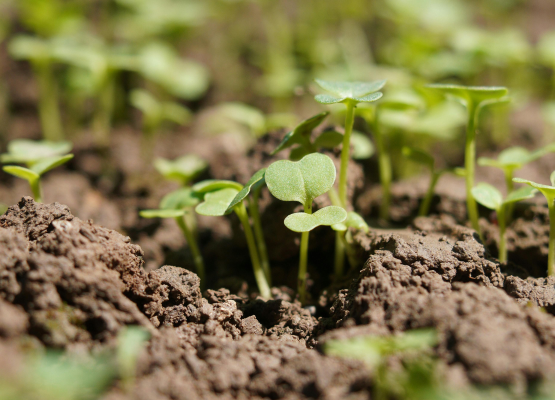
Topsoil is the top 2 to 12 inches of the earth’s surface. It’s darker in color than the subsoil beneath it, due to the presence of organic material like decomposed plants and microorganisms. This organic matter gives topsoil its nutrient-rich structure and is essential for plant growth.
Good quality topsoil contains:
- Minerals like sand, silt, and clay
- Organic matter (decomposed leaves, roots, etc.)
- Beneficial microbes
- Air pockets and moisture for root development
Because it sits at the surface, topsoil is also the most vulnerable to erosion, compaction, and nutrient loss—making topsoil replacement or enhancement a common part of landscape care.
Benefits of Topsoil in Landscaping
1. Improved Plant Health
Topsoil provides a fertile base for plants, supporting strong root systems, nutrient uptake, and overall growth. Whether you’re growing grass, shrubs, vegetables, or flowers, healthy topsoil gives your plants a fighting chance.
2. Better Water Retention
Topsoil helps retain moisture near plant roots while still allowing for proper drainage. This balance is especially helpful in hot, dry climates or sandy soil conditions.
3. Enhanced Soil Structure
Mixing in quality topsoil can improve poor soil by balancing clay-heavy or sand-heavy conditions. It creates a loamy texture that’s ideal for most plants.
4. Erosion Control
Topsoil can stabilize slopes, bare patches, and other erosion-prone areas by anchoring vegetation and absorbing water runoff.
5. Supports New Landscaping Projects
If you’re laying sod, building a garden bed, or regrading a yard, topsoil acts as a critical base layer for healthy, long-term growth.
Common Uses for Topsoil
Topsoil is used in a wide variety of residential and commercial landscaping projects. Here are some of the most common:
1. New Lawn Installation
When starting a lawn from seed or sod, topsoil provides the soft, nutrient-dense environment that new roots need to establish quickly.
2. Garden Bed Preparation
Gardeners often mix topsoil with compost to create a high-performance soil blend for vegetables, flowers, and herbs.
3. Filling Low Spots
Have a dip in your yard or water collecting near your foundation? Use topsoil to regrade and level out uneven areas.
4. Topdressing Existing Lawns
A thin layer of topsoil over existing turf can improve soil structure, boost nutrient levels, and support overseeding efforts.
5. Erosion Control Projects
Topsoil is often used to fill in slopes and support vegetation that prevents erosion on hillsides and in high-traffic areas.
Choosing the Right Topsoil
Not all topsoil is created equal. The term “topsoil” is sometimes used loosely to describe any soil sold in bulk, even if it lacks true organic matter or quality texture. Here’s what to look for when choosing the right type:
1. Screened vs. Unscreened
- Screened topsoil is sifted to remove large debris like rocks and sticks. It offers a smoother texture and is ideal for planting and leveling.
- Unscreened topsoil is more affordable but may contain clumps or debris. Better for backfilling or large volume needs where fine texture isn’t necessary.
2. Blended Topsoil
Some topsoil products are mixed with compost, sand, or manure for specific purposes. For example:
- Topsoil + compost = great for gardens
- Topsoil + sand = ideal for drainage and lawn leveling
3. Nutrient Testing
If you’re doing major planting, consider testing the pH and nutrient levels of your topsoil to see if any amendments are needed (lime, fertilizer, etc.).
4. Color and Smell
Quality topsoil is dark brown to black and has an earthy, pleasant smell. Avoid pale, gray, or foul-smelling soil—it may be compacted, drained of nutrients, or contaminated.
Topsoil vs. Fill Soil: What’s the Difference?
It’s easy to confuse topsoil with fill soil, but they serve very different purposes in landscaping and should not be used interchangeably.
Topsoil is nutrient-rich, dark, and filled with organic matter. It’s the upper layer of soil that supports plant growth, helps with drainage, and retains moisture. If you’re planting grass, shrubs, vegetables, or trees, topsoil is what you want.
Fill soil, on the other hand, is typically lower-quality earth used to fill in holes or raise the level of a landscape. It may contain rocks, clay, or construction debris, and it isn’t usually rich in nutrients. Fill soil is best for structural support—like under patios or walkways—or to build up large landscape features before topping with higher-quality material.
A good rule of thumb:
- Use topsoil when plants will be involved.
- Use fill soil when you’re building or regrading and don’t need organic matter.
For many projects, the two work together. You can use fill soil to create the base grade, then top it off with a few inches of topsoil for planting.
Can You Use Topsoil for Raised Beds?
Absolutely. In fact, high-quality topsoil is one of the best components for filling raised garden beds—especially when combined with compost or other organic matter.
Raised beds benefit from loose, nutrient-dense soil that drains well and supports deep root growth. While some people opt for pre-mixed “garden soil,” others prefer a DIY approach using topsoil as the base.
For the best results:
- Use screened topsoil to ensure it’s free of rocks or clumps
- Mix in compost at a ratio of about 60% topsoil to 40% compost
- Add amendments as needed (peat moss, worm castings, perlite)
This blend offers a balanced mix of nutrients, moisture retention, and aeration—perfect for vegetables, herbs, and flowers.
Avoid using just fill dirt or native soil unless you’ve amended it thoroughly. Poor drainage and lack of organic matter can stunt plant growth or lead to rot.
You can fill your raised bed in layers if you’re trying to save on cost:
- Bottom layer: inexpensive filler like straw, branches, or even fill soil
- Middle layer: bulk topsoil
- Top 6–12 inches: nutrient-rich topsoil and compost mix
This method, often called “lasagna gardening” or “Hügelkultur,” gives your plants a rich environment while keeping costs down.
The Role of Topsoil in Lawn Repair
Patchy, thinning, or yellowing grass? Topsoil can be your secret weapon in lawn repair.
Adding a thin layer of topsoil—also called topdressing—can rejuvenate a tired lawn. It helps improve soil structure, encourages deeper root growth, and provides a healthier foundation for new seed.
Here’s how to use topsoil in lawn repair:
- Mow your lawn short and remove clippings.
- Rake or aerate the lawn to loosen compacted areas.
- Spread topsoil evenly (¼ to ½ inch thick is usually enough).
- Reseed if needed, pressing the seed into the soil.
- Water thoroughly and consistently until new growth appears.
Make sure the topsoil is fine and well-screened—clumpy or debris-filled soil can smother existing grass.
Topsoil can also help with lawn leveling. If you have minor dips or uneven spots, spreading topsoil and reseeding those areas can even out the lawn and improve drainage.
Pro tip: Lawn topdressing is best done in early fall or spring when temperatures are mild and grass is actively growing.
How to Tell If Your Soil Needs Amending
Topsoil isn’t always a one-and-done solution. Sometimes, your existing soil needs more than just a fresh layer—it needs amending.
Here are signs your soil may need help:
- Water puddles on the surface instead of soaking in
- Soil is hard and compacted
- Plants wilt or grow poorly despite watering
- You see lots of weeds but not healthy turf or flowers
- Your lawn or garden looks pale, patchy, or uneven
To assess, try a quick soil squeeze test:
- Take a small handful of moist soil and squeeze it.
- If it crumbles easily, you likely have loamy, workable soil.
- If it forms a tight ball and stays compact, you may have too much clay.
- If it falls apart immediately, it may be too sandy.
In either extreme, you can amend your soil by blending in screened topsoil, compost, or other organic materials to improve texture and drainage.
A soil test from your local extension office or garden center can give you even more insight, including pH and nutrient levels. From there, you can decide whether to add lime, sulfur, or fertilizer for a balanced soil profile.
Topsoil and Tree Health: What to Know
When it comes to tree care, topsoil plays a subtle but essential role.
Newly planted trees need loose, nutrient-rich soil that encourages strong root establishment. Adding topsoil to the planting area—especially if your yard has compacted clay or rocky soil—can help those roots spread out and absorb water and nutrients.
But topsoil isn’t just for new trees. Mature trees also benefit from regular care, especially when construction or erosion disturbs the soil around them.
Here’s how to use topsoil to support tree health:
- Avoid piling soil around the trunk (called “volcano mulching”). This can suffocate the roots and promote rot.
- Apply topsoil evenly over the root zone, then mulch on top to help retain moisture and reduce compaction.
- Use topsoil to regrade sloped or washed-out areas, especially around older trees that are prone to root exposure.
You can also mix compost or mulch into the topsoil around trees to add organic matter without damaging the roots.
If your trees are showing signs of stress—yellowing leaves, sparse foliage, or reduced growth—consider improving the soil quality around their base. A few inches of high-quality topsoil can make a long-term difference.
How to Spread Topsoil: Step-by-Step
Spreading topsoil the right way ensures your lawn or garden gets off to a healthy start.
Step 1: Clear the Area
Remove rocks, weeds, and debris from the site. If spreading over an existing lawn, mow it short and rake off clippings.
Step 2: Loosen the Existing Soil
Use a rake or tiller to loosen compacted soil. This helps the new topsoil bond and prevents layering.
Step 3: Spread the Topsoil
Use a shovel, wheelbarrow, or dump delivery to place the topsoil evenly across the area. Aim for consistent thickness.
Step 4: Level and Smooth
Use a rake to spread the topsoil evenly. Smooth out high and low spots for even planting or sod placement.
Step 5: Water and Settle
Lightly water the area to help the soil settle. Wait a day or two, then re-check for leveling before planting or seeding.
Best Practices for Using Topsoil
- Don’t skip compost: Even quality topsoil benefits from a compost boost for added nutrients and microbial life.
- Avoid layering: Blending your topsoil with existing soil prevents drainage issues and helps roots grow through layers.
- Mind the slope: If grading, slope soil away from structures to prevent water pooling near foundations.
- Check for weeds: Topsoil can sometimes contain weed seeds. Mulching or using a pre-emergent herbicide can help.
Topsoil Is the Starting Point for a Beautiful Landscape
Whether you’re building a backyard garden, seeding a new lawn, or just refreshing your flower beds, topsoil is where success begins. Its nutrient-rich structure supports healthy growth, improves drainage, and gives your plants the foundation they need to thrive.
Don’t settle for low-quality soil. Start with the good stuff—your yard will thank you.
Order Premium Topsoil from Mulch and More
Ready to get started? Mulch and More offers high-quality, screened topsoil for delivery straight to your home or job site. Whether you’re refreshing your landscape or starting a new garden, we’ve got the products, pricing, and service to make your project easy.
Contact us today to schedule your delivery and give your yard the best foundation possible.
FAQs About Topsoil
How deep should topsoil be for a garden?
Most gardens do well with 6–12 inches of topsoil, especially when growing vegetables with deeper root systems.
Can I put topsoil over existing grass?
Yes, in moderation. A thin layer (about ½ to 1 inch) can improve soil health, help with overseeding, and level out dips.
Is topsoil the same as garden soil?
No—garden soil usually includes compost and other amendments. Topsoil is more general-purpose and may need enrichment.
Will topsoil help my lawn grow better?
Absolutely. Topdressing your lawn with a thin layer of topsoil can improve drainage, encourage deeper roots, and support new seed growth.
How do I store leftover topsoil?
Cover it with a tarp to keep it dry and prevent weeds from sprouting. Use it within a season for best results.