If you want a healthier, more productive vegetable garden with fewer weeds and less work, mulch is your secret weapon. Using mulch for vegetable gardens helps retain soil moisture, reduce pests and disease, improve soil quality, and boost overall yield. And with the right material and method, you can spend more time harvesting and less time watering and weeding.
In this guide, we’ll cover the best types of mulch for vegetable gardens, how to apply it correctly, common mistakes to avoid, and tips for maximizing your garden’s success.
Why Mulch Matters in Vegetable Gardens
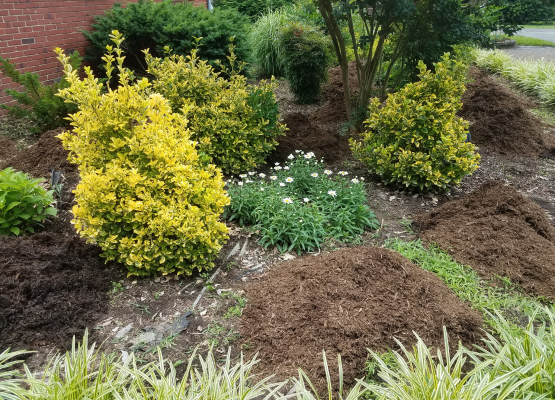
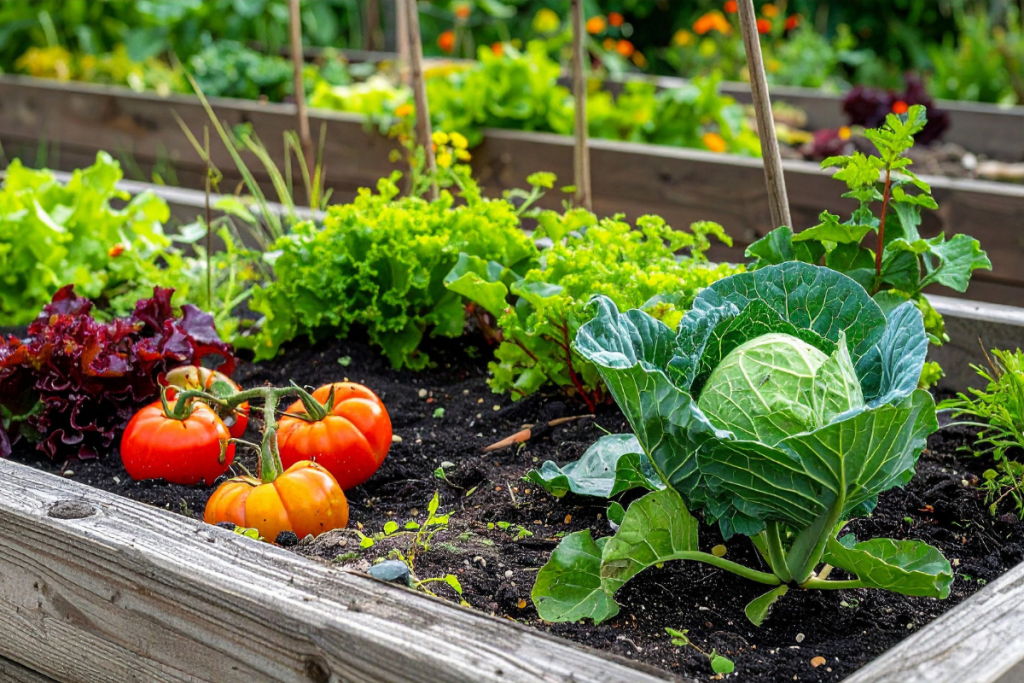
Your vegetable garden is a living system that thrives on balance—and mulch helps maintain that balance. When spread properly, mulch acts like a natural shield over your soil. It keeps the environment stable, minimizes competition from weeds, and prevents splashback that can introduce disease to your plants.
Key benefits of mulch for veggie gardens:
- Moisture retention: Mulch helps soil stay damp longer, so you water less often—even during heatwaves.
- Weed suppression: A thick mulch layer blocks sunlight and stops weed seeds from sprouting.
- Soil temperature control: Mulch keeps soil warmer in the spring and cooler in the summer, creating a more stable growing environment.
- Disease prevention: Mulch minimizes soil splash onto plant leaves, which helps prevent blight and mildew.
- Soil enrichment: Organic mulch breaks down over time, feeding your soil and improving structure.
From tomatoes and peppers to leafy greens and root vegetables, every crop benefits from proper mulching.
The Best Mulch Types for Vegetable Gardens
Not all mulch is created equal—especially when it comes to food. For edible gardens, you want natural, untreated, and organic mulch that will safely improve the soil as it breaks down.
Top choices include:
- Straw: Lightweight, affordable, and ideal for suppressing weeds without compacting soil. Just avoid hay (which contains weed seeds).
- Compost mulch: Rich in nutrients, compost not only acts as a mulch but also boosts soil fertility.
- Shredded leaves: Free and effective, especially in fall. Great for insulating soil and adding organic matter.
- Grass clippings: Use untreated, dry clippings sparingly to avoid matting. Best in thin layers or mixed with other mulch.
- Cocoa hulls: Attractive and lightweight with a pleasant scent. Break down easily but should be avoided if you have pets.
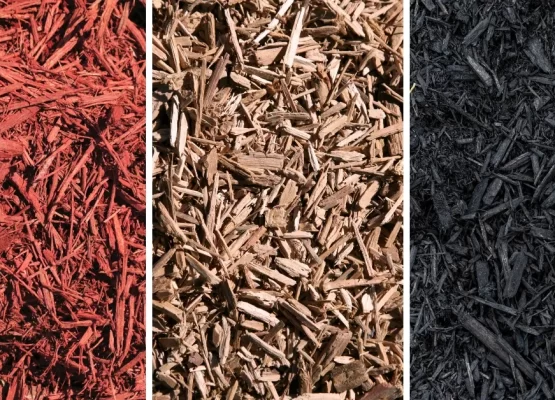
Avoid dyed mulch, treated wood chips, or rubber mulch in your vegetable garden, as these can leach chemicals into the soil and potentially affect your food crops.
How to Apply Mulch in a Vegetable Garden
Mulching correctly is just as important as choosing the right material. Too much mulch can smother young plants; too little won’t do much at all.
Follow these steps for the best results:
- Weed first. Start with a clean, weed-free bed so you don’t trap unwanted growth under the mulch.
- Water the soil. Give your garden a deep watering before applying mulch. Mulch helps retain moisture—it doesn’t add it.
- Spread evenly. Apply 2–3 inches of mulch between rows and around plants. Leave a small gap around stems to prevent rot or pest issues.
- Replenish as needed. Organic mulch breaks down over time. Top off your mulch layer every few weeks or after heavy rain.
- Adjust seasonally. In cooler months, mulch can insulate your soil. In warmer months, it helps reduce evaporation and weed growth. Consider switching mulch types based on the season.
Common Mistakes to Avoid
While mulching your vegetable garden has huge benefits, a few simple missteps can lead to problems.
Don’t make these common mistakes:
- Using too much mulch: More than 3 inches can suffocate roots and prevent air circulation.
- Piling mulch against plant stems: This traps moisture and invites disease or pests.
- Using non-organic materials: Avoid chemically treated or dyed mulch in any garden growing edible crops.
- Applying when soil is dry: Always water before mulching to lock in moisture.
Forgetting to monitor: As mulch decomposes, your beds may need a refresh. Don’t let it get too thin.
Bonus Tips for Mulching Success
Want to take your veggie garden to the next level? Here are a few extra strategies:
- Use compost as a base mulch layer and top it with straw or leaves to double up on nutrition and weed control.
- Plant in blocks or rows that leave room for mulching between them. It’s easier to maintain and harvest.
- Start mulching early in the season before weeds get a foothold.
- Mix mulch types based on your plants—use straw for tomatoes, compost for leafy greens, and leaves for root veggies.
FAQ: Mulch for Vegetable Gardens
What is the best mulch for vegetable gardens?
Straw, compost, shredded leaves, and untreated grass clippings are excellent mulch options for vegetable gardens. These organic materials help suppress weeds, retain moisture, and enrich the soil as they break down.
Can I use wood mulch in a vegetable garden?
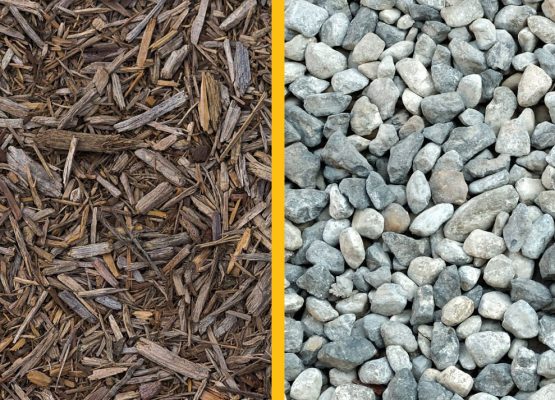
While wood mulch, like bark or hardwood, can be used around the perimeter of a vegetable garden, it’s not ideal for direct use near edibles. It breaks down slowly and can temporarily rob the soil of nitrogen. Stick with faster-decomposing organic mulch for better results.
How thick should mulch be in a vegetable garden?
Apply a layer of 2 to 3 inches of mulch between rows and around plants. Make sure to keep mulch a few inches away from the base of stems to avoid rot and pest issues.
When should I mulch my vegetable garden?
The best time to mulch is in early spring after planting and once the soil has warmed up. You can also add mulch mid-season to help with moisture retention or in the fall to protect soil through winter.
Will mulch attract pests to my garden?
Most organic mulches are safe when applied correctly. However, thick or wet mulch may create hiding spots for slugs or rodents. Use well-draining mulch and avoid piling it against plant stems to reduce the risk.
Should I remove old mulch before adding new?
If your old mulch is still in good condition, you can simply add a fresh layer on top. If it has compacted, molded, or turned slimy, rake it out before reapplying.
Grow Smarter with Mulch and More
Using mulch in your vegetable garden is one of the easiest ways to improve plant health, cut down on maintenance, and enjoy bigger harvests. With the right material and technique, you’ll spend less time fighting weeds and more time enjoying fresh, homegrown produce.
Need help choosing the best mulch for your garden? At Mulch and More, we carry a wide range of organic mulch options perfect for backyard growers. Whether you’re planting your first tomato or prepping a whole raised bed garden, our team can help you find the right fit—and deliver it right to your driveway.
Stop by or order online today to get growing with mulch that works as hard as you do.