When planning a landscape project, one of the most important decisions you’ll make is choosing the right material. Two of the most popular options are crushed stone and river rock—and while they may seem similar at first glance, they serve very different purposes in the yard.
So, how do you choose between crushed stone vs river rock?
In this guide, we’ll walk you through the differences, benefits, and best use cases for each material to help you make the right choice for your home and your landscape goals.
What Is Crushed Stone?
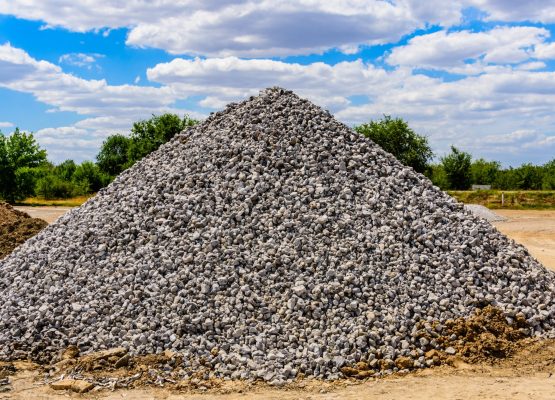
Crushed stone is exactly what it sounds like—large rocks mechanically crushed into smaller, angular fragments. It’s often made from limestone, granite, or other dense stone types. The resulting material comes in various sizes, from fine screenings to larger pieces like 1½-inch stone.
Because of its angular edges, crushed stone compacts well and forms a stable surface—making it a great base material for structural landscaping.
Best for:
- Driveways
- Walkways and patios
- Retaining wall base
- French drains
- Underneath pavers or concrete
- Erosion control
What Is River Rock?
River rock is a naturally tumbled stone that forms in streambeds, giving it a smooth, rounded appearance. It comes in a range of sizes, from small pebbles to large cobbles, and features a mix of natural earth tones like gray, tan, brown, and soft reds.
Because of its aesthetic appeal, river rock is typically used decoratively. It doesn’t compact well, so it’s not ideal for structural applications—but it excels at improving drainage and enhancing curb appeal.
Best for:
- Garden beds
- Dry creek beds
- Decorative ground cover
- Around trees or water features
- Erosion-prone areas
- Front yard design accents
Key Differences Between Crushed Stone and River Rock
1. Texture and Appearance
- Crushed stone has a jagged, angular texture that locks together when compacted.
- River rock is rounded and smooth, offering a softer, more natural look.
If you want a rugged or industrial style, go with crushed stone. For a more polished, organic feel, river rock wins.
2. Functionality
- Crushed stone compacts well and forms a stable surface—perfect for driveways, bases, or any area that requires support.
- River rock is loose and doesn’t compact, so it’s better for drainage or decorative applications where stability isn’t a priority.
3. Drainage
Both materials provide excellent drainage, but in different ways:
- Crushed stone creates drainage layers under pavers or retaining walls by allowing water to move through compacted layers.
- River rock allows surface water to filter down naturally, often used in dry creek beds or around downspouts.
4. Cost
- Crushed stone is typically more affordable per cubic yard than river rock.
- River rock tends to be more expensive due to collection, sorting, and visual appeal.
If you’re covering a large area on a budget, crushed stone may be the better choice.
Which One Should You Use?
Ultimately, the right choice depends on your project.
Choose Crushed Stone If:
- You need a solid base layer for a patio, driveway, or retaining wall
- You’re building walkways or pathways that require compaction
- You’re concerned about erosion in sloped or structural areas
- You want an affordable, high-performance ground cover
Choose River Rock If:
- You want a decorative finish for beds, borders, or water features
- You’re designing a dry creek bed or rain garden
- You want to reduce mulch maintenance while enhancing curb appeal
- You’re looking for a natural, low-maintenance look in the front yard
Pro Tip: Many homeowners use both. For example, start with crushed stone as a base under a walkway, then top with river rock for style.
Maintenance and Longevity
Both materials are extremely low maintenance and long-lasting.
- Crushed stone may shift slightly over time, especially in high-traffic areas, but can be raked back into place. It may also need occasional topping off.
- River rock stays put longer but may collect leaves and debris, especially near trees. Occasional hosing or raking keeps it looking fresh.
Neither material breaks down or fades, meaning you can expect them to last 10–20 years or more with minimal care.
Need Help Choosing? Mulch and More Has You Covered
Still deciding between crushed stone vs river rock? Our team at Mulch and More can help you evaluate your space, budget, and goals to choose the best fit. We offer both materials in a variety of sizes and colors—with delivery options to make your project even easier.
Whether you’re installing a base layer or upgrading your flower beds, we’ve got the right rock for the job.
Contact us today to order crushed stone, river rock, or both—and let’s bring your landscaping vision to life.