When planning any landscaping or gardening project, one of the most common questions is: “Do I need garden soil or topsoil?” While these two terms are often used interchangeably, they serve very different purposes—and choosing the right one can mean the difference between a struggling garden and a thriving one.
In this guide, we’ll break down the difference between garden soil vs. topsoil, explain when to use each, and help you understand what goes into a high-quality soil blend.
What Is Topsoil?
Topsoil refers to the uppermost layer of natural soil, typically the first 5–10 inches. It’s the soil that’s most exposed to the elements and is generally richer in nutrients than the layers below due to the presence of organic matter, decomposed plant material, and microbial life.
However, not all topsoil is created equal.
Key characteristics of topsoil:
- Natural and unblended: Sourced directly from the ground with minimal processing.
- Varies in quality: Some topsoil may be sandy, clay-heavy, or lacking nutrients.
- Used for grading and base layers: Ideal for leveling yards, filling low spots, or under sod.
Topsoil is great for creating a foundation, but it’s not usually rich or balanced enough on its own to support healthy plant growth—especially for vegetable gardens or flower beds.
What Is Garden Soil?
Garden soil is topsoil that has been amended with organic materials like compost, aged manure, peat moss, or other additives. It’s engineered to support plant life by providing the nutrients, drainage, and structure that roots need to thrive.
Key characteristics of garden soil:
- Blended for growing: Formulated for specific planting applications.
- High organic content: Improves fertility, water retention, and soil structure.
- Ideal for raised beds, vegetable gardens, and flower beds.
Garden soil is not just “better topsoil.” It’s a carefully crafted product designed to help plants grow stronger and faster by creating the right environment underground.
When to Use Topsoil vs. Garden Soil
Choosing between topsoil and garden soil comes down to what you’re planting and where you’re planting it.
Use topsoil when:
- You’re leveling your yard or filling in holes
- You’re laying down sod or seeding grass
- You need a base layer before adding enriched soil
Topsoil provides structure and volume—but not much fertility on its own.
Use garden soil when:
- You’re planting vegetables, herbs, flowers, or shrubs
- You’re filling raised garden beds or containers
- You want improved drainage, nutrient content, and microbial activity
If you’re planting directly into the soil, garden soil is almost always the better choice.
Can You Mix Garden Soil and Topsoil?
Yes! In many cases, layering or mixing garden soil with topsoil provides a strong and fertile base—especially in larger projects like building up garden beds or grading around new construction.
A common approach is to:
- Use topsoil for bulk filling
- Add garden soil to the top 6–12 inches for nutrient-rich planting
This saves money on material while still giving your plants the environment they need to thrive.
How to Spot Quality Soil
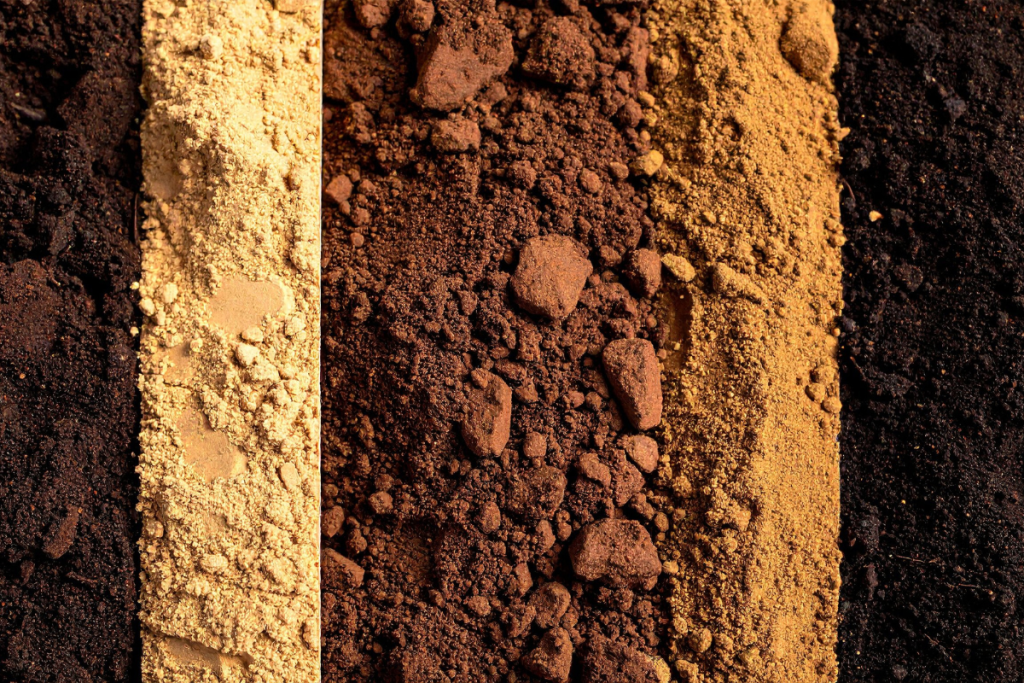
Not all soil products are created equal—whether labeled as “garden” or “topsoil.” Here are signs of quality to look for:
- Dark color: Indicates rich organic matter
- Crumbly texture: Suggests good drainage and aeration
- No foul odor: It should smell earthy, not sour or musty
- Free from debris: No large rocks, chunks, or trash
At Mulch and More, we source and blend our soils with care to ensure consistency and performance, whether you’re buying topsoil for a new lawn or garden soil for your raised beds.
Final Thoughts: Choose Soil That Matches the Job
Understanding the difference between garden soil and topsoil helps you plan smarter and avoid wasting time and money. Remember:
- Topsoil is structural—great for leveling, filling, and base layers.
- Garden soil is functional—designed to grow healthy plants.
Need help deciding which one is right for your project? Our team at Mulch and More is here to help. We offer high-quality soil products for every job, from lawn repairs to full garden installations.
Contact us today or stop by the yard to talk soil strategy and get your outdoor project off to the right start—literally, from the ground up.
FAQ: Garden Soil vs. Topsoil
Can I use topsoil in my vegetable garden?
You can, but it’s not ideal. Topsoil alone lacks the nutrients and structure plants need. Mix it with compost or garden soil to improve performance.
Is garden soil more expensive than topsoil?
Yes, because it contains added organic materials and nutrients. However, it offers better results for planting and often saves money long-term by reducing the need for fertilizers.
How much soil do I need for a raised bed?
Most raised beds benefit from a garden soil mix, filled to about 6–12 inches deep, depending on what you’re planting.
Can I use garden soil for my lawn?
Not typically. Garden soil is too rich and heavy for lawns. Use screened topsoil instead, especially if you’re laying sod or seeding.
What if I’m unsure which soil I need?
Visit or call your local soil supplier—like Mulch and More—and describe your project. We’ll match you with the best product for your space, plants, and budget.