Landscaping rock is one of the most timeless, low-maintenance, and versatile elements you can add to your outdoor space. Whether you’re refreshing flower beds, building a dry creek bed, or designing a modern front yard, landscaping rock offers both function and beauty.
But with so many options—river rock, lava rock, pea gravel, and more—how do you choose the right rock for your landscape?
In this guide, we’ll cover everything you need to know about using landscaping rock, including types, benefits, design ideas, installation tips, and how to get the most from your investment.
What Is Landscaping Rock?
Landscaping rock refers to natural or crushed stone used in outdoor design to replace mulch, build features, or cover soil. It comes in a variety of sizes, colors, and textures and can serve both decorative and functional roles in a landscape.
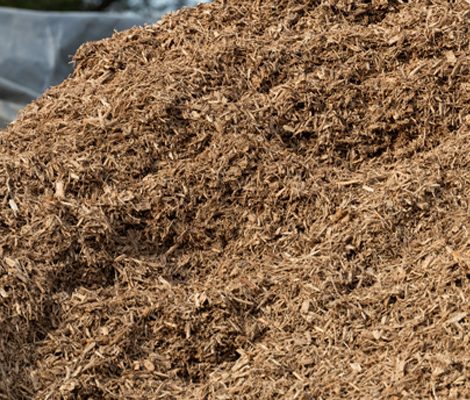
Unlike organic mulch, landscaping rock doesn’t break down over time. It’s ideal for long-term ground cover, pathways, borders, and erosion control. It’s also pest-resistant and weed-reducing, making it a popular choice for homeowners looking for a cleaner, more permanent finish.
Benefits of Landscaping Rock
1. Low Maintenance
Unlike mulch, which needs to be refreshed annually, landscaping rock holds its appearance and structure for years. Once installed, it requires minimal upkeep beyond occasional raking or weeding.
2. Excellent Drainage
Landscaping rock allows water to flow through while keeping the soil in place, making it ideal for areas with poor drainage or erosion problems.
3. Weed Suppression
When paired with landscape fabric, rock creates a barrier that keeps weeds from pushing through, saving you time on yard work.
4. Durability
Landscaping rock is not affected by wind, rain, insects, or rot. It stays in place and retains its color, even in extreme weather.
5. Visual Impact
With a wide variety of colors, shapes, and sizes, landscaping rock gives you the ability to create beautiful contrasts, textures, and designs that elevate your yard’s curb appeal.
Common Types of Landscaping Rock
Here’s a breakdown of the most popular types of landscaping rock used in residential yards:
1. River Rock
Rounded and smooth, river rock comes in natural hues like brown, gray, and tan. It adds an organic feel and works beautifully around plants, trees, and water features.
- Best for: Dry creek beds, garden borders, decorative accents
- Size range: ¾” to 5″
2. Pea Gravel
Small, smooth, and budget-friendly, pea gravel is a favorite for walkways and pet areas. Its soft feel makes it comfortable to walk on.
- Best for: Paths, patios, dog runs, playgrounds
- Size range: ⅜” or smaller
3. Crushed Stone
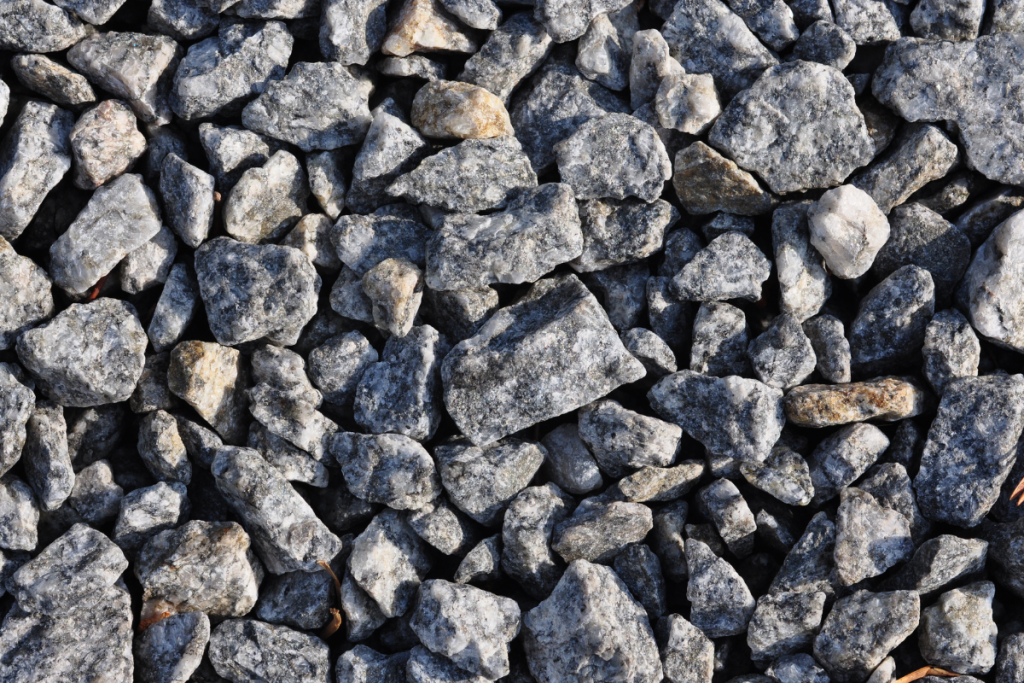
Crushed from larger rocks, this angular stone compacts well and is commonly used for driveways, bases, and drainage systems.
- Best for: Driveways, French drains, retaining walls
- Size range: ¾” to 2″
4. Lava Rock
Lightweight and porous, lava rock offers bold color (usually red or black) and excellent drainage.
- Best for: Modern yards, desert landscaping, xeriscaping
- Size range: 1″ to 3″
5. Marble Chips
Bright white and striking, marble chips reflect light and work well as a clean, modern accent.
- Best for: Front yard beds, container top dressing
- Size range: ¾” to 1″
6. Decomposed Granite
This fine, sandy gravel compacts like concrete but retains a rustic, earthy look. It’s great for walkways and patios.
- Best for: Paths, patios, Zen gardens
- Size range: Very fine, grainy texture
Landscaping Rock vs. Mulch: Which Is Right for You?
Both materials serve similar purposes but have distinct pros and cons. Here’s how to decide:
Choose Landscaping Rock If:
- You want a permanent solution
- You have poor drainage or erosion issues
- You’re looking for modern or clean aesthetic lines
- You want minimal seasonal maintenance
Choose Mulch If:
- You’re growing annuals or veggies that need richer soil
- You want to improve soil health through organic breakdown
- You prefer a softer, natural look around plantings
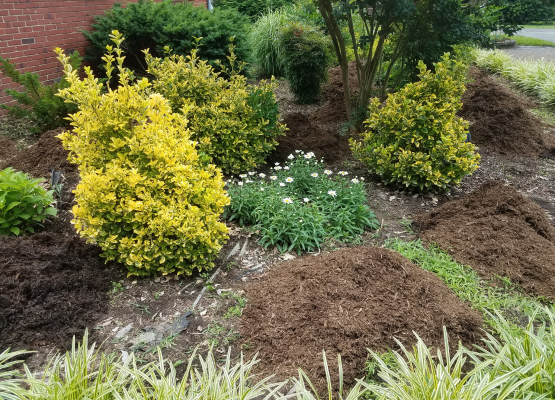
Pro tip: Many homeowners use both—rock for borders and high-traffic areas, mulch for garden beds.
Design Ideas Using Landscaping Rock
Looking for inspiration? Here are a few beautiful, budget-friendly ways to incorporate rock into your yard:
1. Rock Garden
Combine boulders, river rock, and drought-tolerant plants for a striking, low-maintenance rock garden that thrives in dry conditions.
2. Dry Creek Bed
Use river rock to create a winding, faux-stream that helps divert water while mimicking a natural feature.
3. Stone Pathways
Line walkways with pea gravel, crushed stone, or flagstone. It’s more affordable than pavers and easier to install.
4. Accent Beds
Swap out mulch for decorative rock around shrubs, trees, or sculptures to give your beds a polished, contemporary look.
5. Zen or Meditation Space
Use decomposed granite or crushed marble with large stones to create a calming, meditative garden corner.
Modern Landscaping Rock Trends
As more homeowners invest in outdoor spaces that are both stylish and sustainable, landscaping rock has taken on a bigger role in modern landscape design. Today’s trends focus on minimal maintenance, clean lines, and earthy textures—and rock fits that aesthetic perfectly.
1. Monochrome Rock Beds
White marble chips, jet-black lava rock, or cool gray crushed stone are increasingly used in modern yards for a bold, clean look. These monochromatic beds are often paired with architectural plants like yucca, agave, or ornamental grasses. The contrast between rigid rock and dramatic foliage gives off a designer-curated feel without requiring constant upkeep.
2. Rock and Steel Combos
Corten steel edging and hardscape elements are on the rise—and they pair beautifully with stone. Many homeowners are framing pea gravel beds or decomposed granite walkways with rust-toned steel borders for a refined, industrial look that holds up against the elements.
3. River Rock as Mulch Replacement
In an effort to cut back on water use and garden maintenance, many designers are replacing mulch with polished river rock or pea gravel in front beds. These stones reflect sunlight, highlight plant colors, and suppress weeds—while still allowing soil to breathe.
4. Blended Rock Textures
Rather than sticking to one type of landscaping rock, designers are combining textures to create dimension. For example, a walkway might feature fine gravel bordered by larger river stones or boulders. This layered look feels more natural and adds movement to the space.
5. Gravel Patios
Gravel is now a go-to material for casual patios. Decomposed granite or crushed limestone creates a firm, compactable surface perfect for fire pits, dining sets, or lounge chairs—without the cost of concrete or pavers.
If you’re updating your yard, following these trends can help you create a space that feels both elevated and grounded. At Mulch and More, we offer a wide selection of modern rock options to bring your dream landscape to life.
Is Landscaping Rock Eco-Friendly?
If you’re building a more sustainable yard, you might wonder: Is landscaping rock eco-friendly? The answer is yes—when used thoughtfully, landscaping rock is one of the most sustainable materials available for outdoor design.
1. Long-Term Durability
Unlike mulch, landscaping rock doesn’t decompose, blow away, or require seasonal replacement. This cuts down on production, transportation, and waste—making it a greener long-term solution. Many types of rock can also be reused or repurposed if your design changes.
2. Water Conservation
Because rock reduces evaporation and supports good drainage, it’s a smart option for low-water landscapes. It’s especially useful in drought-prone regions or xeriscaping projects, where traditional turf or thirsty plants just aren’t practical.
3. No Chemical Leaching
Mulch can sometimes contain dyes or recycled wood that may leach chemicals into the soil. Natural stone is inert—it doesn’t alter the chemistry of your yard or affect nearby plants.
4. Minimal Maintenance = Lower Emissions
Less mowing, hauling, and seasonal maintenance means fewer emissions from yard tools and delivery trucks. Once installed, landscaping rock requires little more than the occasional rake or hose-off.
5. Erosion Control
Properly installed stone can help stabilize slopes, reduce runoff, and protect soil structure—all of which contribute to healthier ecosystems over time.
Bonus: Recycled Rock Options
Some suppliers now offer recycled crushed concrete or reclaimed stone, which reduces the need for quarrying. Ask your local supplier (like Mulch and More) about sustainable sourcing or locally quarried options to reduce your project’s carbon footprint.
If you’re aiming for a lower-impact yard without sacrificing curb appeal, landscaping rock is one of the smartest choices you can make.
Creating Outdoor Living Spaces with Landscaping Rock
Landscaping rock isn’t just for borders and flower beds—it’s also a foundational material for building beautiful, functional outdoor living spaces. Whether you’re designing a fire pit hangout or a peaceful garden retreat, rock provides structure, texture, and long-lasting support.
1. Gravel Patios
Pea gravel, decomposed granite, and crushed limestone are ideal for casual patio areas. They’re easy to install, budget-friendly, and drain well—perfect for DIY fire pits or bistro-style dining zones. You can edge these areas with larger stone or pavers for a clean, finished look.
2. Stone Fire Pit Areas
Surrounding a fire pit with crushed stone or pea gravel keeps the area safe and stylish. These materials won’t burn, retain heat, or get slippery, making them ideal for cozy nights outdoors.
3. Garden Seating Zones
Use flagstone or large flat rocks to create natural benches or stepping stone platforms in a tucked-away corner of your yard. Surround the area with decorative gravel and low-maintenance plants for a private retreat.
4. Rock Pathways Between Zones
Link different areas of your backyard—like the garden, pool, and patio—with compacted gravel or flagstone paths. Not only does this help with flow and functionality, but it also keeps shoes cleaner and reduces lawn wear.
5. Around Water Features
Landscape rock complements fountains, ponds, and dry stream beds beautifully. River rock and larger boulders add visual weight and help blend water elements into the rest of your landscape naturally.
When it comes to outdoor living design, landscaping rock offers unmatched flexibility. It adds both beauty and utility to your space, transforming even the simplest backyard into a true outdoor escape.
How to Choose the Right Landscaping Rock for Your Project
There’s no “one rock fits all.” Consider these factors when making your choice:
1. Size Matters
- Small stones (¼”–½”) are best for pathways or around delicate plants.
- Medium stones (¾”–2″) are ideal for beds, borders, and general landscaping.
- Large stones (3″ and up) make great accents, erosion barriers, or retaining wall features.
2. Color and Style
Match or contrast rock with your home’s exterior, plant colors, or existing hardscaping. Lighter stones reflect sunlight and create contrast, while darker rocks offer a sleek, moody aesthetic.
3. Functionality
If you’re installing in a high-traffic area, choose compacting gravel like crushed stone or decomposed granite. For decorative beds, go with river rock or pea gravel.
How to Install Landscaping Rock: Step-by-Step
Here’s how to get it done the right way:
- Clear the Area – Remove weeds, grass, and debris. Level the surface.
- Lay Landscape Fabric – Prevents weed growth and keeps rock from sinking into the soil.
- Install Edging – Steel, plastic, or natural stone edging keeps rocks contained and tidy.
- Spread the Rock – Pour and rake the rock evenly across the area.
- Compact or Settle (if needed) – Walk over or lightly water the area to help the rock settle into place.
Most landscaping rock applications use a 2–3 inch depth. Calculate how much you need by measuring your space and using a cubic yard calculator.
How Much Landscaping Rock Do You Need?
To determine how much landscaping rock you’ll need:
- Measure the length × width of the area in feet
- Multiply by the desired depth (in inches ÷ 12 to convert to feet)
- Multiply to get total cubic feet
- Divide by 27 to convert to cubic yards
Example:
A 10 ft × 12 ft bed at 3 inches deep:
10 × 12 = 120 sq ft
3 inches ÷ 12 = 0.25 ft
120 × 0.25 = 30 cubic feet
30 ÷ 27 = 1.11 cubic yards
It’s best to round up slightly to account for compaction and variations in depth.
FAQs About Landscaping Rock
Can landscaping rock replace mulch?
Yes, in many cases. Landscaping rock is a durable, long-lasting alternative to mulch that’s especially effective in beds without annuals or heavy replanting. It doesn’t improve soil health, but it’s excellent for weed control and moisture retention when installed properly.
Will rock affect plant health?
Rocks can insulate soil, keeping roots cooler in summer but potentially colder in winter. Most perennial plants, shrubs, and ornamental grasses thrive in rocky beds as long as the soil beneath is healthy and well-draining.
How do I prevent weeds in landscaping rock?
The best method is to install a high-quality landscape fabric underneath your rock. You can also spot-treat with weed killer or use a natural weed suppressant like vinegar spray if necessary.
How long does landscaping rock last?
Properly installed landscaping rock can last 10–20 years or more with little to no maintenance. It’s one of the most durable ground covers you can use.
What kind of landscaping rock is best around a fire pit?
Pea gravel or crushed stone are ideal for fire pit surrounds. Avoid smooth, moisture-retaining rocks like river rock inside the pit, as they can crack or pop under extreme heat.
Order Landscaping Rock from Mulch and More
Ready to upgrade your yard with beautiful, long-lasting landscaping rock? At Mulch and More, we supply a wide variety of rock types in bulk or bagged options, with convenient delivery and expert advice to help you choose the best materials for your home.
Whether you’re working on a full-yard refresh or just sprucing up a few beds, we’ll help you find the right size, color, and rock type for your budget and style.
Contact us today to schedule your delivery or visit our yard to browse your options in person. Your outdoor space deserves materials that work as hard as you do—and landscaping rock is one of the best investments you can make.