When it comes to gardening, landscaping, and lawn care, success starts from the ground up. And we mean that literally. Soil is the foundation of everything you grow. Whether you’re planting trees, designing flower beds, seeding a lawn, or starting a vegetable patch, the condition of your soil plays a central role in whether your outdoor space thrives or struggles.
But soil is often overlooked or misunderstood. It might just seem like “dirt,” but it’s actually a complex, living system that supports plant life in ways you might not realize. In this comprehensive guide, we’ll break down what soil is made of, the different types of soil you might have, how to test and improve it, and why choosing the right soil for the job matters more than you think.
What Is Soil?
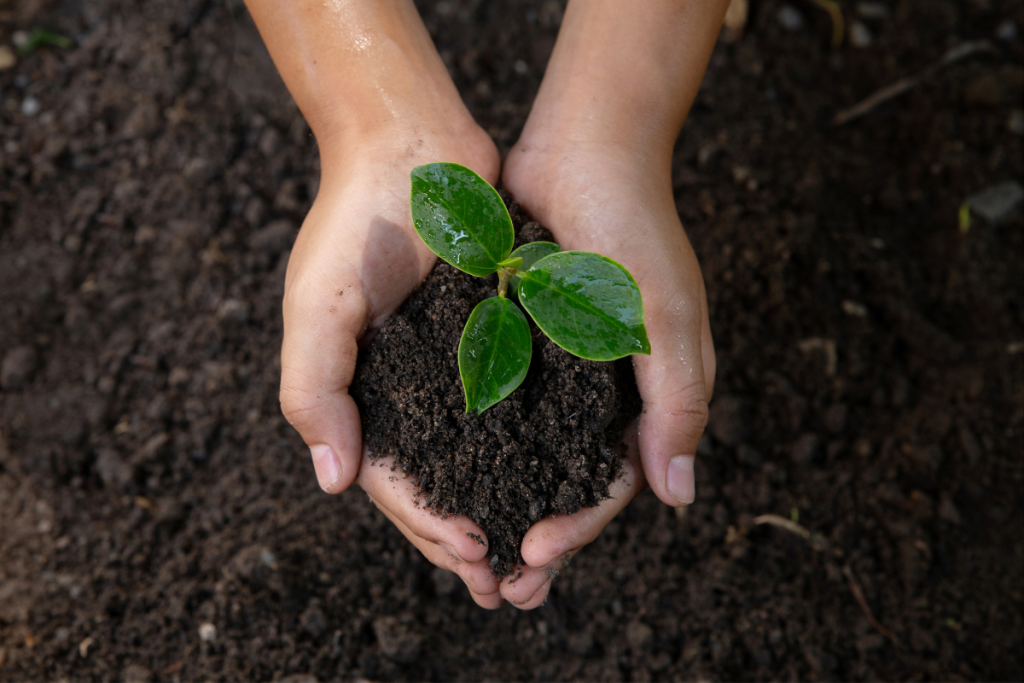
Soil is not just the stuff you brush off your shoes. It’s a living mixture of mineral particles, organic material, air, water, and microscopic life. These ingredients work together to support the growth of everything from lawn grass to towering trees.
A healthy soil structure will drain well but retain enough moisture to nourish roots. It will offer good air circulation and provide a stable foundation for root systems. It’s not something you see directly, but it has a massive impact on the success of any landscaping or gardening project.
Breaking Down the Parts: What Soil Is Made Of
Most soils are made up of five primary components:
- Mineral particles: The base of all soil, made from weathered rock. This includes sand, silt, and clay.
- Organic matter: Decomposed plants, leaves, and compost that provide nutrients and improve structure.
- Water: Necessary for nutrient transport and plant hydration.
- Air: Essential for root and microbe respiration.
- Microorganisms: Bacteria, fungi, and insects that break down organic matter and help cycle nutrients.
The proportions of each of these elements determine whether your soil drains too fast, compacts too easily, or fosters a thriving plant ecosystem.
Common Soil Types and How They Affect Your Yard
Every yard has a different type of soil, and knowing yours is key. Here are the main types you might encounter:
- Clay soil is dense and retains moisture, but it drains poorly and compacts easily.
- Sandy soil drains fast but struggles to hold nutrients or water.
- Silty soil has fine particles, making it smoother and more fertile, but prone to compaction.
- Loamy soil is the ideal mix—a balance of sand, silt, and clay with organic matter. It’s fertile, well-draining, and easy to work with.
- Peaty soil is rich in organic material and moisture-retentive, but often acidic.
- Chalky soil is alkaline and can be rocky or stony, often requiring amendments to improve fertility.
Understanding your soil type helps you choose the right plants and amendments to set your landscape up for success.
How to Test Your Soil (And Why It’s Crucial)
You can’t fix what you don’t understand. Testing your soil gives you insight into its pH, nutrient levels, and overall health. You can use at-home kits for a basic reading, or send samples to a local extension service for more detailed results.
Testing helps answer essential questions like:
- Is your soil too acidic or too alkaline?
- Does it have enough nitrogen, phosphorus, and potassium?
- Does it need organic matter?
Test before fertilizing or planting, and retest every couple of years to monitor changes and maintain soil health.
Garden Soil vs. Topsoil vs. Fill Dirt
These three terms often confuse homeowners, but they serve very different purposes:
- Garden soil is rich in organic matter and designed to support plant growth. It’s ideal for flower beds, vegetable gardens, and raised beds.
- Topsoil is the upper layer of natural soil. It can vary in quality but is often used for grading and seeding lawns.
- Fill dirt is low-quality subsoil, used for filling holes or leveling land. It lacks nutrients and is not suitable for planting.
Choosing the right material for your project ensures that your plants and structures have a solid, functional base.
The Role of Mulch in Soil Health
Mulch isn’t just for looks. When used correctly, it plays a powerful role in soil care:
- Reduces water evaporation from the soil surface
- Prevents weed growth that can compete for nutrients
- Insulates soil from extreme temperatures
- Adds organic matter as it breaks down
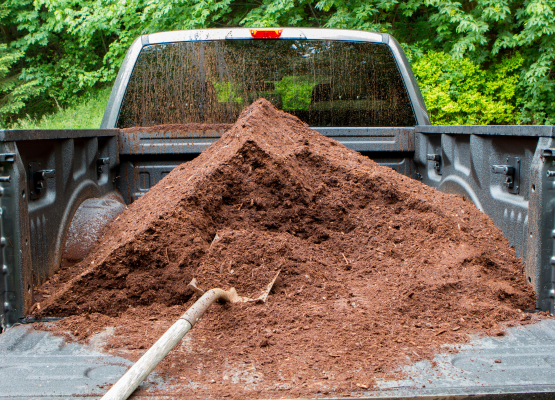
Organic mulches like bark, straw, or shredded leaves can even feed your soil over time, improving structure and fertility with little effort.
Fixing Poor Soil: Practical Steps That Work
If your plants are struggling, your soil may be part of the problem. Here’s how to fix it:
- Add compost to boost organic matter and nutrients.
- Use mulch to retain moisture and build healthy top layers.
- Plant cover crops in the off-season to improve structure.
- Aerate compacted areas to improve air and water flow.
- Avoid over-tilling, which can disturb soil biology.
Improving soil takes time, but the payoff is a thriving, resilient garden or lawn.
Choosing Soil Based on Your Project
Different outdoor projects require different types of soil. If you’re planting shrubs, you’ll want a different mix than if you’re leveling your yard or filling in a patio base.
For example:
- Use garden soil for planting beds and veggie gardens.
- Choose screened topsoil for seeding or laying sod.
- Use fill dirt for leveling and backfilling.
Still unsure? Talk to a local soil supplier like Mulch and More to match your goals to the right product.
Seasonal Soil Care: What to Do Throughout the Year
Soil maintenance isn’t a one-and-done task. Each season brings new needs:
- Spring: Test and amend your soil before planting. Apply fresh mulch.
- Summer: Monitor moisture levels and top off mulch as needed.
- Fall: Add compost and mulch to prepare for winter.
- Winter: Protect exposed beds with mulch or cover crops to prevent erosion.
Caring for your soil year-round creates better results with less effort over time.
Why Soil Microbes Matter More Than You Think
Healthy soil isn’t sterile. It’s full of living organisms—bacteria, fungi, nematodes, and more. These microbes:
- Help break down organic matter
- Convert nutrients into plant-available forms
- Improve soil structure
- Protect against disease and pests
You can support soil life by minimizing synthetic chemicals, adding compost, and avoiding excessive digging. The more life in your soil, the better your plants will grow.
The Impact of Soil on Water Conservation
Soil health and water conservation go hand in hand. Healthy soil retains moisture efficiently, meaning you can water less often while still supporting strong plant growth. Organic matter acts like a sponge, absorbing rainwater and reducing runoff, which prevents erosion and helps recharge groundwater sources.
Poor or compacted soil, on the other hand, sheds water quickly. This increases the need for irrigation and contributes to wasted water. By improving your soil with compost and mulch, you naturally increase its water-holding capacity.
In times of drought or water restrictions, soil that’s rich in organic matter can make all the difference between a scorched lawn and a lush, resilient landscape. When you focus on soil health, you’re not just helping your garden—you’re contributing to broader environmental conservation.
How Soil Affects Plant Nutrition
Plants get most of their nutrients directly from the soil, so its quality has a direct impact on plant health. Macronutrients like nitrogen, phosphorus, and potassium are essential for leaf growth, root development, and flower production. Micronutrients, such as calcium, magnesium, and iron, support plant resilience and productivity.
If your soil is deficient in any of these elements, your plants will show it. Yellowing leaves, stunted growth, or poor flowering can all be signs of nutrient imbalance. That’s why soil testing and proper fertilization are important.
Beyond nutrients, soil also affects how accessible those nutrients are. The pH of your soil determines whether certain minerals can be absorbed by roots. If the pH is too high or too low, even nutrient-rich soil may leave your plants malnourished. Regular amendments and balanced care can help keep soil pH within optimal range and ensure your plants are well-fed from the ground up.
The Connection Between Soil and Erosion Control
Erosion might seem like a problem limited to large hillsides or construction zones, but it can impact everyday homeowners, too. When topsoil washes away during heavy rain or wind, you lose valuable nutrients and organic matter—and that sets your plants back. The result? A landscape that struggles to recover and becomes more difficult to maintain over time.
Healthy soil with strong structure helps anchor plant roots and resist erosion. Adding organic matter improves soil cohesion, while covering bare soil with mulch or ground cover plants adds an extra layer of protection. Raised garden beds, proper grading, and retaining walls also help keep soil in place.
If you’ve noticed puddles forming after rain, exposed roots, or thinning areas on slopes, you may already be dealing with erosion. Tackling it early by improving your soil and protecting its surface is key to preventing long-term damage. In many cases, small improvements like strategic planting and mulching can stabilize the area without the need for heavy equipment or major renovations.
Preventing erosion protects your landscape investment and supports healthier soil, stronger plants, and cleaner stormwater runoff—a win for both your yard and the environment.
Understanding Soil pH and Why It Matters
Soil pH is one of the most important yet misunderstood factors in soil health. It measures how acidic or alkaline your soil is on a scale from 0 to 14. Most garden plants thrive in a pH range between 6.0 and 7.5, but certain species—like blueberries or azaleas—prefer more acidic conditions.
When your soil’s pH is out of balance, plants can’t access essential nutrients even if they’re present in the soil. A common example is iron deficiency in alkaline soils, which leads to yellowing leaves. On the other hand, highly acidic soils can interfere with phosphorus availability.
Testing your pH is simple with a home test kit or through a lab. If your pH is too low (acidic), you can raise it using lime. If it’s too high (alkaline), sulfur or organic materials like peat moss can help bring it down.
Maintaining a balanced pH doesn’t just benefit plant growth—it also supports the health of beneficial soil microbes that aid in nutrient cycling. When pH levels are within optimal range, your plants grow stronger, resist disease better, and produce higher yields.
The Role of Soil in Lawn Care
Lush, green lawns aren’t just about watering and mowing—they begin with soil. The right soil provides grass with the nutrients, drainage, and support it needs to establish strong roots and resist stress.
Many homeowners overlook soil preparation before seeding or laying sod. If your soil is compacted, lacking nutrients, or poorly drained, your lawn may never reach its full potential. Start with a soil test to check nutrient levels and pH. From there, you can amend your soil with compost or sand, depending on its needs.
Aeration is also key in lawn soil care. Over time, foot traffic and equipment compact the soil, reducing air flow and making it harder for grass roots to grow. Core aeration relieves this pressure and opens up space for water, air, and nutrients.
Topdressing your lawn with a thin layer of compost or screened topsoil once or twice a year can improve soil structure and feed the grass naturally. When your lawn soil is healthy, you’ll see thicker grass, fewer weeds, and better drought resistance.
How Soil Supports Biodiversity
Soil is home to more life than you might expect. In fact, a single tablespoon of healthy soil contains billions of microorganisms, including bacteria, fungi, protozoa, and nematodes. These tiny creatures work together to break down organic matter, fix nitrogen, and defend against pathogens—all without you ever seeing them.
In addition to microbes, your soil also supports insects, earthworms, and even the roots of neighboring plants. Together, this underground ecosystem plays a critical role in sustaining the biodiversity of your landscape.
When you nurture your soil with compost, mulch, and gentle cultivation practices, you’re supporting this hidden network of life. And in return, it supports your garden with healthier plants, better yields, and increased resilience to disease and drought.
Healthy soil isn’t just good for your plants—it’s the foundation of a thriving, biodiverse backyard ecosystem.
Soil and Raised Bed Gardening
Raised beds offer an excellent solution for gardeners who want more control over their growing environment. But what goes into those beds matters just as much as the frame that holds it.
The best soil for raised beds is light, loose, and full of organic matter. Most gardeners use a mix that includes topsoil, compost, and sometimes other amendments like peat moss or vermiculite. The goal is to create soil that drains well, holds moisture, and supports robust root systems.
Because raised beds are elevated, they tend to dry out faster than in-ground beds. That means moisture retention becomes critical. Adding mulch on top of the soil not only helps with water retention but also suppresses weeds and moderates temperature swings.
It’s also important to rotate crops each year in raised beds to prevent nutrient depletion and reduce pest cycles. Replenishing the beds with compost annually keeps the soil rich and productive.
Whether you’re growing herbs, vegetables, or flowers, the soil you choose for your raised beds plays a critical role in how successful your harvest will be.
Using Compost to Improve Soil Health
Compost is often referred to as “black gold” in the gardening world—and for good reason. Adding compost to your soil is one of the easiest and most effective ways to improve its structure, fertility, and overall health.
Compost consists of decomposed organic material—such as leaves, vegetable scraps, grass clippings, and coffee grounds—that has broken down into a nutrient-rich, soil-like substance. When added to your garden or lawn, compost:
- Increases water retention in sandy soils
- Improves drainage in clay soils
- Boosts microbial life and soil biodiversity
- Feeds plants with slow-release nutrients
- Helps balance pH levels naturally
You can make compost at home in a bin or pile, or buy high-quality compost from a local supplier. To apply it, simply spread a 1–2 inch layer over your beds and gently work it into the top few inches of soil.
In lawns, a light topdressing of compost can rejuvenate tired turf and reduce the need for synthetic fertilizers. Compost isn’t just an amendment—it’s the foundation of a living, thriving soil ecosystem that supports better plant growth year after year.
Build Your Landscape from the Ground Up
Great soil doesn’t happen by accident. Whether you’re starting fresh or trying to rehab tired beds, understanding your soil is the key to long-term success. Know what you’re working with, improve it strategically, and use the right soil for each job.
At Mulch and More, we offer a full range of soil products—from topsoil and compost to garden blends and fill dirt. Stop by or contact us today to talk about your project and get the materials you need to build a better, healthier yard from the ground up.
FAQ: Soil Questions, Answered
What’s the difference between soil and dirt?
Soil is rich in nutrients, organic matter, and microbial life. Dirt is often lifeless and removed from its natural environment.
How do I know what kind of soil I have?
Try a simple squeeze test. Sandy soil feels gritty, clay feels sticky, and loam feels balanced and crumbly. For exact data, do a soil test.
How often should I add compost?
Most gardens benefit from compost once or twice per year—especially before planting in spring and after harvesting in fall.
Can I use fill dirt for planting?
No. Fill dirt is not designed to support plant life. Always use garden soil or amended topsoil for planting.
Why is my soil hard and cracked?
That’s usually a sign of low organic matter and poor moisture retention. Add compost and mulch to rebuild structure.
Is mulch considered part of soil?
Not technically—but it plays a major role in soil health. As organic mulch breaks down, it becomes part of the soil ecosystem.