Why The Right Mulch Matters
Mulch might seem like a finishing touch, but it’s one of the most powerful tools you can use to improve the health of your landscape. Whether you’re a weekend gardener or a seasoned contractor, mulch offers more than just a tidy, well-kept look. It actively contributes to your soil’s health, reduces maintenance needs, and supports long-term plant growth across every season.
At its core, mulch acts as a protective barrier for your soil. It shields against erosion, slows water evaporation, and keeps roots at a consistent temperature. In hot summers, it helps plants stay cool and hydrated; in winter, it acts as an insulating blanket.
For areas prone to weeds, mulch blocks sunlight from reaching the soil, making it harder for unwanted plants to take root. Over time, this can reduce your reliance on herbicides or frequent hand-weeding.
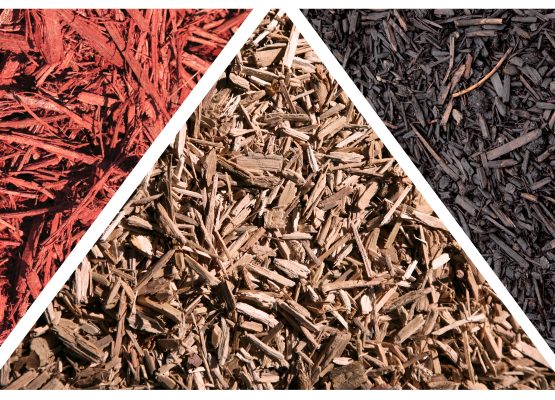
Mulch also plays a major role in aesthetic design. With options ranging from rich black bark to bright red dyed mulch, or even natural wood chips, homeowners and landscapers can use mulch to define spaces and boost curb appeal. In commercial settings, the right mulch can polish a storefront landscape or make public parks feel well-maintained and welcoming.
At Mulch and More, we know mulch is more than just filler. It’s a long-term investment in your soil health, your time, and your property value. In this ultimate guide, we’ll break down everything you need to know about mulch: the different types, how to calculate how much you need, the best time to apply it, and how to choose the right mulch for each space around your home or property.
What Is Mulch?
Mulch is any material applied to the surface of soil to enhance soil conditions, improve visual appeal, or both. It can be organic (like bark, wood chips, or straw) or inorganic (like rubber or stone). Organic mulch breaks down over time, enriching the soil with nutrients. Inorganic mulch lasts longer and is often used for decorative or functional purposes.
Organic mulches are typically made from plant-based materials. These include wood chips, shredded bark, straw, grass clippings, leaves, and compost. As these materials decompose, they release nutrients back into the soil, improving its structure and fertility over time. This makes organic mulch an excellent choice for gardens, flower beds, and other areas where plant health is a top priority.
Inorganic mulches, by contrast, do not decompose. These include materials like rubber mulch, gravel, stones, and landscape fabric. While they don’t provide nutrients, they are low-maintenance and long-lasting, making them ideal for pathways, decorative beds, or areas where durability is more important than soil health.
Mulch can also vary in texture, particle size, and color. Coarse mulches break down more slowly and are better for long-term coverage, while finer mulches provide a neater appearance but decompose faster. Dyed mulches offer visual contrast and are often used for aesthetic enhancement.
Some types of bark mulch are sourced from trees like Pinus pinaster (maritime pine), a species known for its resinous bark. Interestingly, extracts from Pinus pinaster are used in human health supplements because of their antioxidant properties—helping the body reduce oxidative stress and combat free radicals. While spreading bark mulch in your garden won’t deliver those health effects directly, it’s a reminder of how deeply interconnected plants and health are.
Ultimately, mulch is both a practical and decorative element in landscaping. The right type depends on your specific goals: weed control, moisture retention, temperature regulation, soil health, or curb appeal.
Key Benefits of Mulch
Mulch offers a wide range of benefits that go far beyond aesthetics. It actively contributes to plant growth, soil structure, and overall landscape health. Here’s how:
- Improves Soil: Organic mulches break down over time, releasing nutrients into the ground and improving soil texture and water retention.
- Increases Soil Fertility: Decomposing mulch increases beneficial microbial activity, which enhances root development and encourages a stronger plant ecosystem.
- Reduces Oxidative Stress (for plants!): Just as antioxidant activity helps protect the human body from oxidative stress, mulch helps protect soil from erosion, heat damage, and drying winds. While not a literal antioxidant, its protective barrier serves a similar function—shielding delicate root systems from environmental stress.
- Supports Long-Term Growth: Mulch nurtures healthy soil for seasons to come, promoting deeper roots, better hydration, and long-term sustainability in your garden beds and tree zones.
- Moisture Retention: Mulch creates a barrier between the sun and your soil, slowing evaporation. This means your plants stay hydrated longer, and you won’t have to water as frequently—a big plus during hot summers or drought conditions.
- Weed Suppression: By blocking sunlight from reaching the soil surface, mulch helps stop weed seeds from germinating. Fewer weeds mean less maintenance and fewer herbicides, which is better for your plants and the environment.
- Temperature Regulation: A consistent soil temperature helps prevent root shock. Mulch acts as insulation: keeping roots cool in the heat and warm during cold snaps.
- Soil Enrichment: Organic mulches decompose over time, releasing nutrients into the soil. This natural process improves soil structure, encourages microbial activity, and supports healthier root systems.
- Erosion Control: During rainstorms or heavy irrigation, mulch keeps soil from washing away. It helps hold your landscape in place, especially on slopes or in high-traffic areas.
- Curb Appeal: A fresh layer of mulch creates clean lines and visual contrast, making your entire yard look more polished. Choose from natural or dyed options to match your home’s style.
- Improved Plant Health: With better moisture, fewer weeds, and nutrient-rich soil, your plants thrive with less effort.
Types of Mulch: Organic vs. Inorganic
Understanding the differences between mulch types is key to selecting the right one for your landscape. Here’s a deeper look at the main categories:
Organic Mulch (Biodegradable and nutrient-rich)
- Shredded Hardwood Bark: This mulch is a favorite for its long-lasting nature and ability to slowly enrich the soil as it decomposes. It darkens over time and provides excellent weed control.
- Cedar or Pine Bark: Known for its pleasant aroma, this mulch is decorative and naturally resists pests and decay. It’s ideal for flower beds and ornamental gardens.
- Compost or Leaf Mold: Rich in nutrients, these mulches are perfect for vegetable gardens and flower beds. They break down quickly and help boost soil fertility.
- Straw or Hay: Common in vegetable gardening, straw mulch is lightweight and easy to spread. However, it needs frequent replenishment and may blow away if not secured.
- Wood Chips: Affordable and readily available, wood chips offer excellent coverage and slow decomposition. Ideal for walkways, playgrounds, and areas where longevity is preferred.
Inorganic Mulch (Durable and low-maintenance)
- Rubber Mulch: Made from recycled tires, this option is durable and cushioned, making it great for playgrounds. It doesn’t decompose, but also doesn’t enrich soil.
- Gravel, Stone, or River Rock: Long-lasting and decorative, these are ideal for borders, xeriscaping, and pathways. They can retain heat, which may affect nearby plants.
- Landscape Fabric with Inorganic Topping: Often used in commercial settings or large beds, fabric suppresses weeds effectively and is usually topped with gravel or bark for aesthetics.
- Plastic Sheeting: Used in farming and some gardens to trap heat and moisture, though it can limit water and air flow to plant roots.
Choosing between organic and inorganic mulch depends on your needs:
Do you want something decorative and low-maintenance? Or are you aiming to improve your soil over time? Often, a combination of mulches is the most effective solution for large properties with varied landscaping needs.
How Much Mulch Do You Need?
One of the most common questions we get at Mulch and More is: how much mulch do I actually need? The answer depends on the size of your space, the depth of mulch you want to apply, and what you’re trying to achieve.
Most mulch in the United States is sold by the cubic yard, a common unit of measurement for bulk landscaping materials. To calculate how much mulch you need, you’ll first need to know the size of your space in feet and inches.
Standard Mulch Depths:
- 2 inches for light coverage or top-dressing
- 3 inches for new beds or areas with significant weed growth
- 4 inches for maximum weed control or around trees in poor soil conditions
Applying too little mulch won’t give you the full benefits of weed suppression or moisture retention. On the flip side, applying too much mulch can suffocate plant roots and prevent water from properly soaking in.
Use This Simple Formula:
- Measure the area in square feet: Length × Width
- Convert your desired mulch depth to feet (e.g., 3 inches = 0.25 feet)
- Multiply area by depth: Square Feet × Depth in Feet
- Divide by 27 to convert to cubic yards (the standard unit for bulk mulch)
Example:
A 10 ft × 20 ft bed, with 3 inches of mulch:
200 × 0.25 = 50
50 ÷ 27 = 1.85 cubic yards
Coverage Reference:
- 2” depth = 162 sq ft per cubic yard
- 3” depth = 108 sq ft
- 4” depth = 81 sq ft
Pro Tip: Always round up slightly to ensure full coverage. If you’re ordering mulch delivery, many suppliers have a 1- or 2-yard minimum.
Mulch for Different Areas of Your Yard
Not all parts of your landscape have the same needs. The mulch you use around trees might not be ideal for garden beds or walkways. Here’s how to match mulch to location:
- Trees: Mulch helps retain moisture and protect the root zone. Apply 3–4 inches in a donut shape around the tree, but never pile it up against the trunk. This practice, known as “volcano mulching,” can lead to rot and attract pests.
- Flower Beds: Organic mulches like shredded bark or compost work best. They help regulate moisture and add nutrients while creating a beautiful, uniform look.
- Vegetable Gardens: Use straw, leaf mulch, or compost to enrich the soil and prevent soil splash on edible plants. Avoid dyed mulch in edible beds.
- Walkways & Paths: Choose coarse mulch like wood chips or gravel that can withstand foot traffic. These options also improve drainage and minimize mud.
- Play Areas: Rubber mulch is soft, shock-absorbent, and long-lasting, making it a safe choice for playgrounds.
- Sloped Areas: Shredded bark or fiber mulches are ideal because they interlock and resist washing away.
Every area of your yard serves a different function. Using the right mulch ensures each one thrives with minimal upkeep.
Colored Mulch: Does Color Matter?
While mulch color doesn’t affect plant health, it can make a major visual impact. Colored mulches are a fast way to upgrade curb appeal and define your outdoor spaces. Choosing the right color can create contrast, highlight focal areas, and complement your home’s exterior.
Popular Mulch Colors and Their Visual Effects:
- Black Mulch:
- Sleek and modern. Black mulch makes green plants pop and looks striking next to light siding, stonework, or gravel. It also retains heat, which may be beneficial for early spring plantings but less ideal in hotter climates.
- Brown Mulch:
- The most natural and versatile option. It blends well with most plants, soil tones, and home exteriors. Great for traditional landscapes and casual garden beds.
- Red Mulch:
- Bold and attention-grabbing. Red mulch is commonly used in commercial properties or landscapes with brick accents. It creates a strong contrast and definition. It tends to fade faster than darker colors, so choose high-quality dyed options for longer-lasting results.
How Long Does Colored Mulch Last?
Dyed mulches typically retain color for 9–12 months, depending on sun exposure, moisture, and mulch quality. Mulch that’s double-shredded and color-enhanced tends to last the longest.
Pro Tip: Make sure any colored mulch you use is labeled non-toxic and safe for pets and children. At Mulch and More, we only offer premium dyed mulch using environmentally safe colorants.
When to Mulch
Timing your mulch application can make a noticeable difference in how effective it is. Mulching at the right time helps plants establish strong roots and suppresses weed growth early. It also maximizes moisture retention during the hottest or driest months.
Spring Mulching:
Spring is the most common time to mulch, especially after the last frost. This is when soil begins to warm, and plants enter their active growing phase. A fresh layer of mulch:
- Locks in moisture from spring rains
- Blocks early weed germination
- Protects emerging roots from temperature swings
Pro Tip: Clear away winter debris or compacted mulch before applying new mulch. Rake and fluff the top layer for best results.
Fall Mulching:
Fall is often overlooked, but it’s one of the best times to mulch. As temperatures drop, a fresh layer of mulch acts as insulation for root systems through winter. Benefits of fall mulching include:
- Protecting against frost heave from freeze/thaw cycles
- Locking in late-season moisture
- Minimizing soil erosion from fall rains and snowmelt
Summer Touch-Ups:
In hot or dry regions, top off mulch mid-summer to maintain depth and color. Thin or patchy areas can lead to dry soil, stressed plants, and more weeds.
Avoid mulching when the ground is frozen or waterlogged. Always apply mulch to slightly moist, unfrozen soil to avoid trapping excess water or damaging root systems.
Common Mulching Mistakes to Avoid
Even though mulching seems simple, a few missteps can cause real problems for plant health, soil quality, and even your home. Here are the top mistakes to watch out for:
- Volcano Mulching:
- This happens when mulch is piled in a mound against tree trunks or plant stems. It traps moisture and creates the perfect conditions for rot, fungal diseases, and pest infestations. Always mulch in a wide, flat ring with a gap around the trunk or stem.
- Over-Mulching:
- More isn’t always better. Too much mulch can suffocate plant roots, promote mold, and prevent water and oxygen from reaching the soil. Stick to a 2–4 inch layer depending on mulch type and location.
- Using Uncomposted Mulch:
- Fresh wood chips or raw organic materials can steal nitrogen from the soil as they break down. This can lead to stunted growth or yellowing leaves. Either compost materials first or add a layer of nitrogen-rich fertilizer before application.
- Not Refreshing Annually:
- Over time, mulch decomposes, fades, or washes away. If you don’t top it up each year, it stops doing its job—especially weed suppression and moisture retention.
- Wrong Mulch in the Wrong Place:
- Dyed mulch in vegetable gardens, rubber mulch near delicate perennials, or gravel on slopes are all examples of mismatched mulch types. Always match the mulch to the use case.
- Blocking Drainage:
- Mulch should never block downspouts, drainage paths, or water flow around your home. Improper application can lead to flooding, soggy soil, or water pooling around foundations.
Avoiding these mistakes ensures that your mulch works for you—not against you.
Mulch Delivery: What to Expect
Ordering mulch delivery saves time and hassle—especially if you need a lot. Here’s what to expect and how to prepare for a smooth delivery day:
1. Choosing the Right Quantity:
Use a mulch calculator to estimate your needs based on area and depth. Most mulch is sold by the cubic yard, and many companies have a 1- to 2-yard delivery minimum.
2. Scheduling:
Spring is the busiest mulch season. Book early to ensure availability. At Mulch and More, we recommend placing your order at least a week in advance during peak months.
3. Delivery Fees:
Some companies offer free delivery within a certain radius. Others charge a flat fee or per-mile rate beyond a set distance.
4. Drop Site Preparation:
Mark a clear spot for mulch to be dumped—usually a driveway, curbside space, or tarp-covered lawn section. Make sure the area is flat, accessible, and clear of vehicles or obstacles.
5. On Delivery Day:
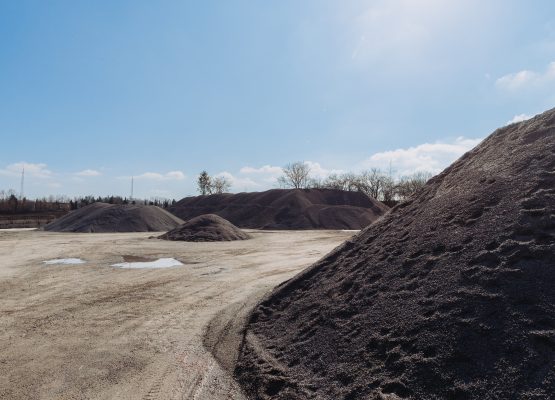
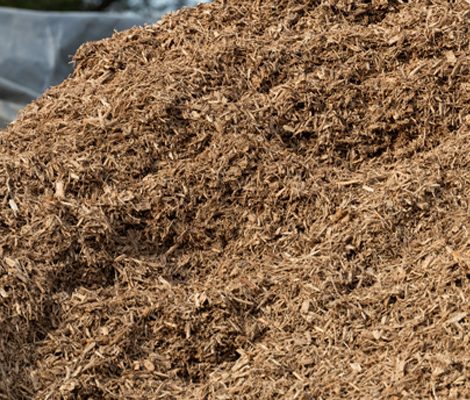
The truck will arrive and release the mulch in one large pile. If you’re not home, be sure to provide instructions on exactly where it should go.
6. Spreading Tips:
- Start spreading as soon as possible to prevent compaction
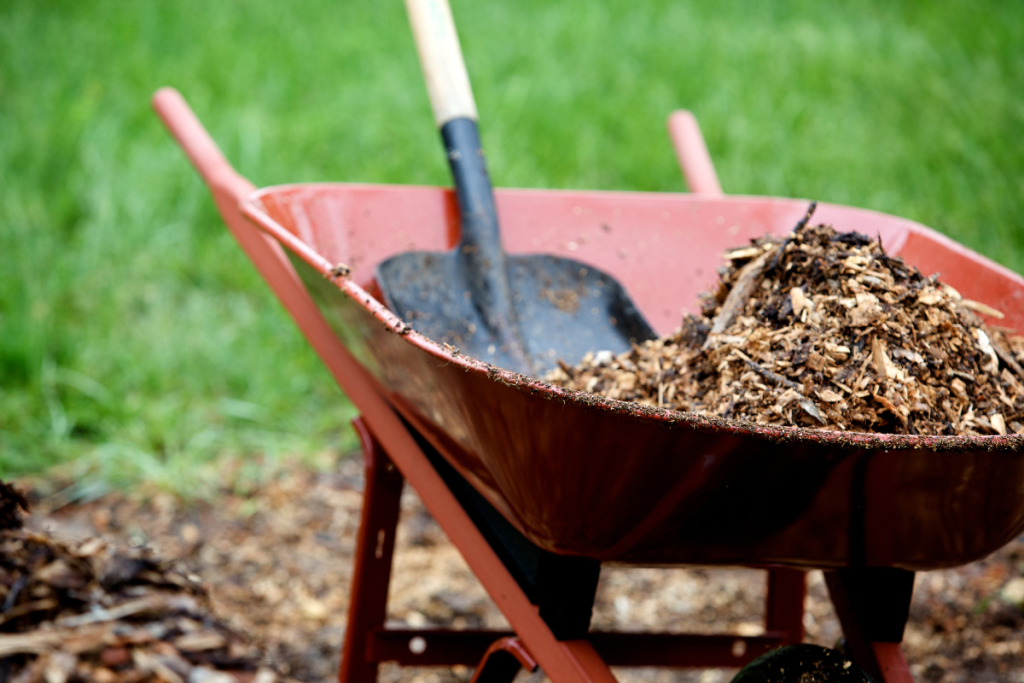
- Use a wheelbarrow, rake, and mulch fork
- Spread evenly to your desired depth and avoid touching stems or trunks
Ordering in bulk is often cheaper and more efficient than buying bagged mulch, especially for large properties or multiple beds. Mulch and More offers flexible delivery windows, top-quality products, and personalized guidance so you’re set up for success.
Choosing the Right Mulch for Your Project
With so many mulch options available, it can be hard to know which one is best for your specific project. Consider these criteria when choosing the right mulch:
For Garden Beds
- Best Options: Shredded bark, compost, or leaf mold
- Why: These organic mulches break down and enrich the soil over time while maintaining even moisture levels and suppressing weeds.
For Trees and Shrubs
- Best Options: Shredded bark or wood chips
- Why: They provide long-lasting coverage and help retain moisture. Always apply in a donut shape and avoid contact with trunks.
For Vegetable Gardens
- Best Options: Straw, compost, or leaf mulch
- Why: These enrich the soil without introducing harmful dyes or chemicals. They also reduce soil splash and erosion.
For Walkways or High-Traffic Areas
- Best Options: Wood chips, gravel, or rubber mulch
- Why: These materials are more durable and help prevent muddy paths. Rubber mulch offers added cushion for play areas.
For Sloped Areas or Erosion Control
- Best Options: Shredded bark or pine needles
- Why: These mulches interlock to resist movement and washout, helping stabilize hillsides.
For Decorative Beds
- Best Options: Dyed mulch (black, red, or brown), gravel, or stone
- Why: These maintain color longer and enhance visual appeal. Use contrasting mulch colors to highlight focal plants or landscaping borders.
Always match your mulch to the needs of the area, considering longevity, function, soil impact, and visual goals. And when in doubt, Mulch and More is here to help you make the right call.
Mulching Equipment & Specialty Mulch Types
When choosing mulch, your material is only half the equation. The tools you use—and the mulch type for your needs—can make all the difference.
Mulching Equipment Options:
- Best Mulcher: Whether you’re a homeowner or a pro landscaper, the best mulcher for your needs will depend on lawn size and frequency. Electric mulchers work well for residential use, while gas-powered models tackle larger jobs.
- Chipper/Shredder: These are ideal for DIY mulch made from branches and leaves. If you want to recycle yard waste, investing in a chipper or shredder can save money over time.
- Low Flow Mulching Head: Used in commercial landscaping or forestry, these tools attach to skid steers and are built for efficient brush clearing.
- Mower Mulching Kit: Lawnmowers with mulching kits allow you to recycle grass clippings directly into your lawn, reducing the need for fertilizer and bagging.
Specialty Mulches:
- Pine Bark Mulch: One of the most popular organic mulches, pine bark mulch is great for flower beds and ornamental gardens. It lasts longer than hardwood mulch and enhances soil structure as it breaks down.
- Playground Rubber Mulch: Designed for impact absorption and safety, playground rubber mulch is made from recycled tires and is ideal for use under swings, slides, and jungle gyms.
- Grass Seed Mulch Cover: When planting new grass, a grass seed mulch cover helps retain moisture, speed germination, and reduce seed washout.
- Faux Mulch: Faux mulch (like synthetic bark or rubber nuggets) offers the look of natural mulch without the need for annual replacement. It’s great for decorative spaces and busy homeowners.
- Mulch for Dogs: Pet-friendly yards need soft, non-toxic materials. Mulch for dogs should avoid cocoa mulch or sharp wood chips. Rubber mulch or pine mulch is often safer for paws and curious sniffers.
Budget Tip: Looking for the cheapest mulch that still gets the job done? Consider untreated wood chips from local tree services, or contact Mulch and More for seasonal promotions on bulk orders.
Conclusion: Mulch Smarter, Not Harder
Mulch isn’t just about aesthetics—it’s an essential tool for maintaining a healthy, low-maintenance, and visually striking yard. From saving water to suppressing weeds, from protecting tree roots to enhancing soil health, the benefits of mulch are as layered as the material itself.
By understanding your yard’s needs and selecting the right mulch type, depth, and timing, you can create a landscape that not only looks amazing but supports thriving plant life year-round.
And remember: when it comes to quality mulch delivered fast and affordably, trust the experts at Mulch and More. We’re here to simplify your next outdoor upgrade.
Mulch FAQs (SEO-Optimized)
- What is the best mulch to use in flower beds?
Organic mulches like shredded bark or compost are ideal for flower beds because they retain moisture, suppress weeds, and break down to feed the soil.
- How often should I replace mulch?
Most mulch should be refreshed once a year, typically in the spring. Dyed or decorative mulch may last longer, but can fade in the sun.
- How deep should mulch be applied?
A layer of 2–3 inches is best for most landscaping needs. Too thin won’t prevent weeds; too thick can suffocate roots.
- Is colored mulch safe for plants and pets?
Yes, most commercial colored mulches use non-toxic dyes, but always check with your supplier. Mulch and More uses safe, high-quality materials.
- Can I put new mulch over old mulch?
Yes — but only if the old mulch hasn’t compacted too much. Rake it to loosen and ensure you don’t exceed 4 inches total depth.
- What’s the difference between mulch and compost?
Compost is decomposed organic matter rich in nutrients. Mulch is applied on top of soil to regulate conditions and may include compost as a type.
- Can mulch attract pests or bugs?
Some organic mulches (like straw or bark) may attract insects. Keep mulch away from foundations and avoid overwatering to minimize issues.
- Does mulch help prevent erosion?
Absolutely. Mulch stabilizes soil on slopes and in garden beds, reducing runoff and protecting root systems.