If you’re tackling a landscaping or gardening project, you’ve probably come across the term “screened soil.” It may sound like a fancy upsell—but don’t be fooled. Screened soil offers real, measurable benefits for your plants, your project, and your peace of mind.
In this blog, we’ll break down exactly what screened soil is, why it’s worth the investment, and how it can improve everything from lawn health to garden productivity.
What Is Screened Soil?
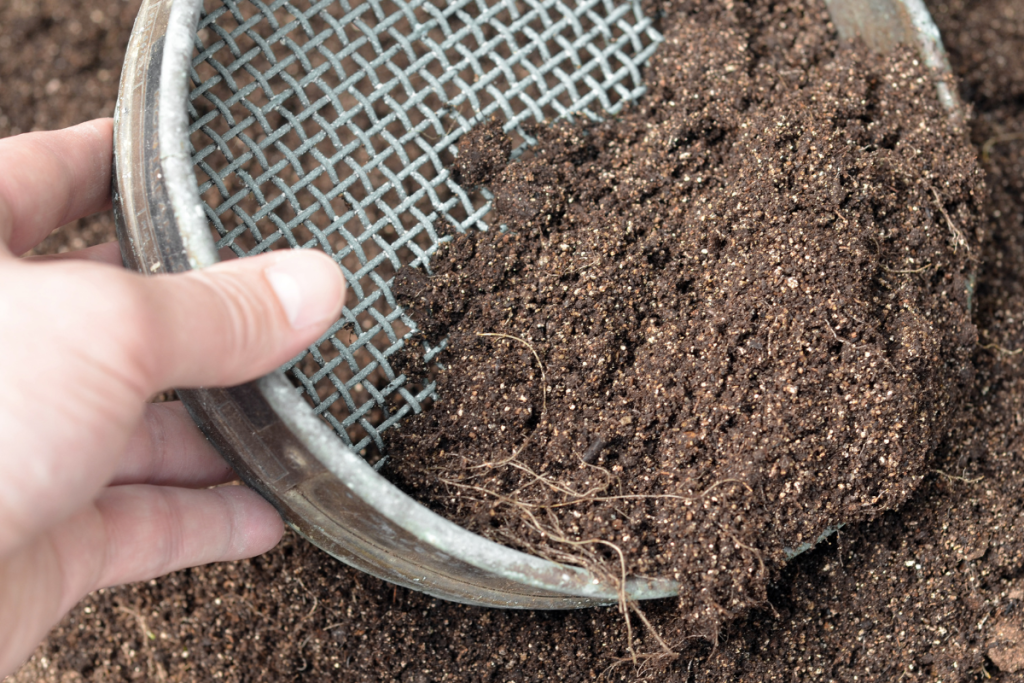
Screened soil is topsoil that has been mechanically sifted through a mesh screen to remove rocks, sticks, clumps, roots, and other debris. The result is a loose, uniform soil texture that’s easier to spread and ideal for planting.
Screening can be done to various sizes depending on the screen’s mesh:
- ½ inch mesh is common for general landscaping
- ¼ inch mesh creates finer soil for seeding or leveling
- Larger screens may be used when some organic matter is desired
Unscreened soil, on the other hand, is sold as-is—often cheaper, but filled with inconsistencies that can make your project more difficult.
Benefits of Screened Soil
1. Better for Planting
Screened soil creates an even, loose base that allows roots to penetrate more easily. It’s perfect for starting grass seed, planting flowers, or growing vegetables.
2. Improved Drainage
With fewer clumps and compacted zones, screened soil drains more evenly. This helps prevent water pooling and root rot, especially in low-lying areas.
3. Easier to Spread and Work With
Because it’s already broken down into fine particles, screened soil is easier to rake, level, and grade. You’ll spend less time breaking up clumps and more time planting.
4. More Uniform Results
Screened soil offers a consistent texture, making it ideal for topdressing lawns, filling raised beds, or laying sod. It promotes even seed coverage and reduces the risk of bald patches or uneven growth.
5. Fewer Surprises
With debris removed, you won’t be dealing with hidden rocks, roots, or trash that could damage tools or disrupt your project.
When to Use Screened Soil
While screened soil can be used in nearly any outdoor project, it’s especially recommended for:
- New lawn installations (seed or sod)
- Topdressing existing lawns
- Flower and vegetable gardens
- Raised garden beds
- Leveling or grading your yard
- Filling around new trees and shrubs
If you’re working on a large-scale regrading project or just need fill beneath a patio or retaining wall, unscreened soil or fill dirt may be sufficient. But for any application involving plants, roots, or turf, screened soil is the better choice.
Screened Soil vs. Unscreened Soil
So, is screened soil really worth the extra cost? Let’s compare.
Unscreened soil is often cheaper upfront, but it can come with hidden drawbacks: poor drainage, weed seeds, debris, or compaction issues that take extra time and effort to fix.
Screened soil, while a bit more expensive per cubic yard, is ready to go—no surprises, no sifting, and no wasted time cleaning out rocks.
The truth is, if you’re planting anything or trying to achieve a polished, even result, the extra investment in screened soil often pays off in smoother project execution and healthier, longer-lasting landscapes.
Tips for Buying Screened Soil
- Ask about screen size to match your project’s needs (finer mesh is best for seeding).
- Check for compost blends if you want extra nutrients for garden beds.
- Inspect the soil if possible—it should be dark, crumbly, and free of trash or strong odors.
- Buy from a reputable supplier who offers consistent, high-quality product.
At Mulch and More, we screen our soil to ensure uniform texture and top performance—whether you’re installing a lawn or planting your best garden yet.
FAQs About Screened Soil
What is the difference between screened and unscreened soil?
Screened soil is sifted to remove debris and clumps, resulting in a finer, more consistent texture. Unscreened soil may contain rocks, roots, and uneven clods that make planting or spreading more difficult.
Is screened soil better for growing grass?
Yes! Screened soil creates an even base for grass seed or sod, improving root establishment and helping you achieve a thicker, healthier lawn.
Can I use screened soil in raised beds?
Absolutely. Screened soil blends well with compost and offers the structure and drainage needed for raised bed gardening. Just make sure it’s nutrient-rich or amend it as needed.
Does screened soil prevent weeds?
While it can reduce weed seeds compared to raw or unprocessed soil, screened soil is not completely weed-free. Mulching and proper bed maintenance are still important for long-term weed control.
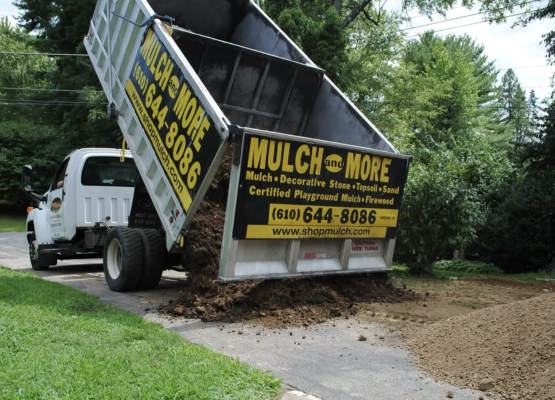
Get Screened Soil Delivered by Mulch and More
Looking for high-quality screened soil that’s ready for your next landscaping or garden project? At Mulch and More, we offer premium screened topsoil that’s free of debris and perfect for planting, leveling, or topdressing.