When it comes to landscaping materials, few are as versatile, durable, and visually impactful as stone. Whether you’re laying a garden path, building a retaining wall, or refreshing your flower beds, stone offers a timeless way to elevate your outdoor space.
At Mulch and More, we provide a wide variety of stone products for landscaping and hardscaping projects—from decorative gravel to functional pavers. In this ultimate guide, we’ll explore the benefits of stone, how to use it, different types to consider, and tips for choosing the right material for your project.
Why Stone Is a Go-To for Landscaping and Hardscaping
Stone has been used in outdoor design for centuries—and for good reason. It’s not just about aesthetics; stone is a practical, long-lasting solution that works across climates and styles.
Benefits of Using Stone in Your Yard:
- Low maintenance – No watering, trimming, or fertilizing
- Durable and long-lasting – Withstands weather, erosion, and heavy foot traffic
- Highly versatile – Works for decorative and structural purposes
- Weed control – Stone ground cover reduces weed growth
- Erosion prevention – Helps stabilize sloped areas or drainage zones
- Natural beauty – Offers earthy textures and tones that complement any landscape
Whether you’re going for rustic charm or modern minimalism, stone adds structure, contrast, and curb appeal that mulch or soil alone can’t match.
Types of Stone for Landscaping Projects
Different types of stone serve different purposes—and choosing the right one depends on your project, budget, and design goals. Here’s a breakdown of the most popular options available through Mulch and More:
1. Crushed Stone
Crushed stone is made from larger rocks crushed down into smaller fragments. It’s a great all-purpose material for driveways, walkways, and drainage areas.
- Common sizes: ¾”, ⅜”, and 1½”
- Benefits: Excellent drainage, compactable, affordable
- Best for: Base layers, driveways, walkways, French drains
2. River Rock
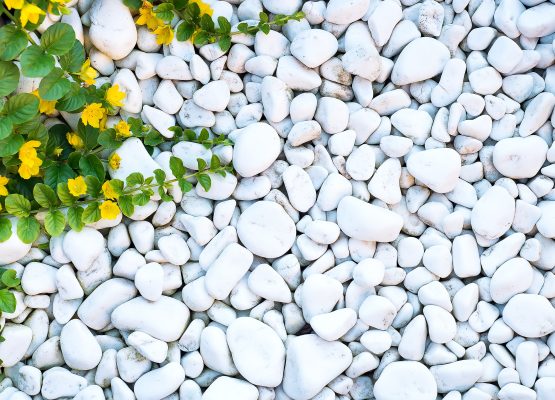
Smooth and rounded, river rock is known for its natural look and wide range of earth-tone colors.
- Common sizes: ¾”, 1–3″, 3–5″
- Benefits: Decorative, weed-suppressing, long-lasting
- Best for: Garden beds, dry creek beds, around water features
3. Pea Gravel
Small, smooth stones roughly the size of a pea. Easy to spread and soft underfoot.
- Benefits: Affordable, good for walking paths, low maintenance
- Best for: Playgrounds, dog runs, fire pit areas, walkways
4. Decorative Stone Chips
Available in a variety of colors (red, black, white marble), these stones are ideal for accenting flower beds or creating bold contrast.
- Benefits: Stylish, long-lasting color, weed control
- Best for: Front yard accents, garden borders, around shrubs
5. Flagstone
Flat, irregular pieces of natural stone used to create patios, stepping paths, or garden features.
- Benefits: Classic look, durable, customizable
- Best for: Patios, walkways, garden steps, fire pit surrounds
6. Stone Boulders
Larger, statement-making stones that anchor space visually or structurally.
- Benefits: Erosion control, sculptural impact
- Best for: Retaining walls, hillside stabilization, focal points
Popular Projects You Can Do with Stone
There’s no shortage of ways to use stone in your landscape. Whether you’re taking on a DIY weekend project or working with a contractor, here are some of the most popular applications:
1. Stone Walkways and Garden Paths
Use crushed stone, pea gravel, or flagstone to create charming and functional paths through your yard or garden. Stone paths are easier to maintain than concrete and add a natural, welcoming vibe.
2. Stone Driveways
Crushed stone driveways are a durable and affordable alternative to asphalt. They’re easier to install, allow for natural drainage, and offer a rustic appeal.
3. Rock Gardens
Drought-tolerant and visually striking, rock gardens combine decorative stone with hardy plants like succulents and ornamental grasses.
4. Dry Creek Beds
Solve drainage issues with a beautiful, functional solution. Use river rock to simulate a dry stream and guide water away from problem areas.
5. Edging and Borders
Stone edging around garden beds, patios, or trees keeps mulch and soil in place while providing clean, elegant separation.
6. Patios and Outdoor Living Spaces
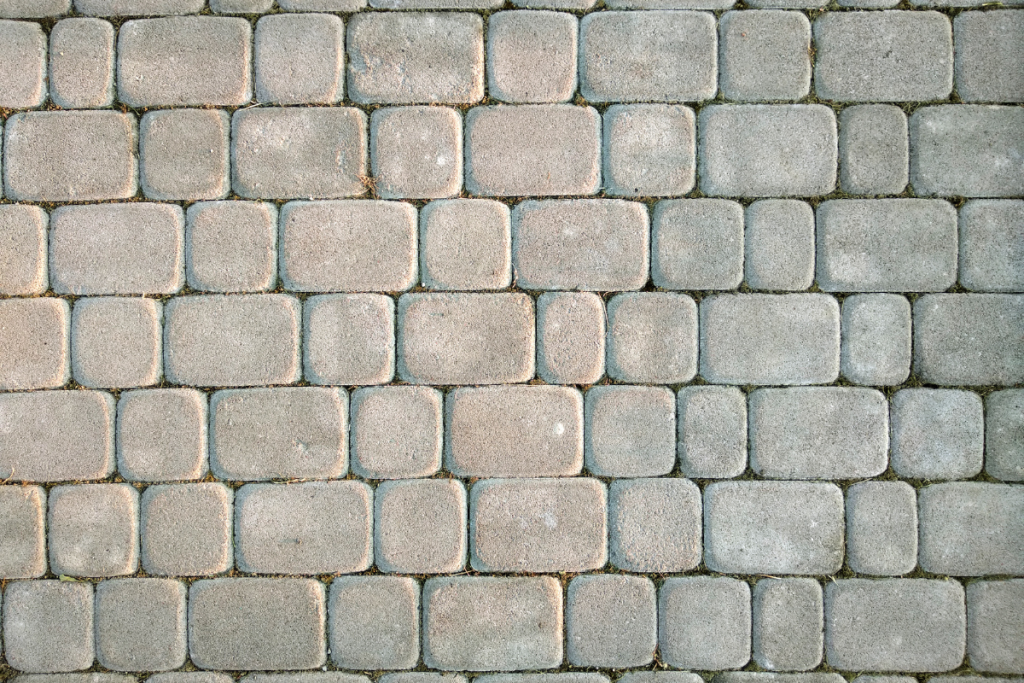
Flagstone and pavers are perfect for patios, grilling zones, and fire pit areas. Stone provides a solid, slip-resistant surface that holds up to heavy use.
Stone vs. Mulch: What’s the Difference?
Both stone and mulch serve important purposes in landscaping—but they’re suited for different applications.
Mulch:
- Organic (wood-based)
- Breaks down over time, adding nutrients to the soil
- Requires regular replenishing
- Better for moisture retention and plant health
Stone:
- Inorganic, non-decomposing
- Doesn’t need to be replaced
- Offers better drainage and erosion control
- Excellent for high-traffic or dry areas
Tip: Many homeowners use mulch in garden beds and stone in decorative or functional areas. A combination can offer the best of both worlds.
How to Choose the Right Stone for Your Yard
With so many options, it can be tough to know which stone is right for your project. Here are a few factors to guide your decision:
1. Purpose
- For base material or drainage? Choose crushed stone.
- For decorative appeal? Choose river rock or decorative chips.
- For walking surfaces? Choose pea gravel or flagstone.
2. Color and Style
Think about the overall look you want. White stone creates contrast, red chips offer bold visual interest, and natural river rock blends seamlessly with most landscapes.
3. Size
Smaller stones are easier to spread and walk on. Larger stones (like 2–5″) are better for borders or erosion control.
4. Budget
Some stone varieties are more affordable than others. Crushed stone and pea gravel tend to be budget-friendly, while flagstone or marble chips can be more premium.
How to Install Stone in Your Landscape
Installing stone is usually easier than pouring concrete or laying brick, but proper prep is still important. Here’s a general step-by-step guide for stone ground cover projects:
- Measure your area to calculate how much stone you need (usually by the cubic yard).
- Remove grass and weeds, and level the area.
- Lay landscape fabric to prevent weed growth and stone settling into the soil.
- Install edging if needed to keep the stone contained.
- Spread the stone evenly across the area.
- Rake and level the surface to your desired depth (usually 2–4 inches).
For larger projects like patios or retaining walls, we recommend hiring a pro or consulting with a supplier like Mulch and More for expert guidance.
Seasonal Tips for Planning Stone Projects
Stone landscaping can be done year-round, but some seasons are more ideal than others, depending on your goals. Planning ahead ensures better installation, fewer weather issues, and longer-lasting results.
Spring:
Spring is one of the best times for stone projects. The weather is mild, the ground is workable, and you’ll enjoy your updated landscape throughout the warmer months. Spring is ideal for:
- Installing new patios or walkways
- Redesigning flower beds with decorative stone
- Adding river rock to improve drainage
Summer:
Though summer brings longer days and good drying conditions, heat can make stonework more labor-intensive. If working in summer:
- Tackle projects early in the morning or late afternoon
- Stay hydrated and pace yourself on heavy-lift tasks
- Prioritize decorative accents or mulching with stone
Fall:
Fall is excellent for wrapping up larger installs before winter. It’s especially good for:
- Leveling and regrading areas with crushed stone
- Refreshing borders or edging
- Improving drainage ahead of snow or rain
Winter:
While not ideal for heavy installations, winter can be a great time to:
- Plan your spring project
- Order materials before peak season
- Lay down gravel walkways on frozen ground (with care)
Seasonal planning also lets you spread out costs and labor while taking advantage of material availability and delivery slots. At Mulch and More, we can help you plan your project timeline and ensure materials arrive when you need them most.
Stone vs. Other Ground Cover: How the Costs Compare
When choosing a material for your landscape, cost plays a major role. Stone may seem more expensive upfront—but in many cases, it pays off over time.
Initial Cost Comparison
- Mulch: Low initial cost, around $30–$50 per cubic yard
- Stone: Higher upfront cost, often $60–$120 per cubic yard depending on type
However, stone doesn’t break down like mulch, meaning you won’t need to replace it every year. Most mulch needs refreshing annually, especially in high-sun or high-traffic areas.
Long-Term Value
Let’s say you spend $300 on mulch each year for 5 years: that’s $1,500.
If you spend $750 once on decorative stone, it could last over a decade.
Stone is also:
- Less prone to pests and mold
- Resistant to fading
- Better at staying put in storms or wind
Labor & Maintenance Savings
Stone requires less maintenance—no need to turn it, water it, or replace it every spring. That means fewer hours of yard work and lower costs over time.
If you’re creating a high-traffic or long-term landscape feature, stone is often the more economical choice—especially when sourced through trusted suppliers like Mulch and More.
Regional Styles: Choosing Stone Based on Local Design Trends
Stone landscaping isn’t one-size-fits-all—regional trends, climates, and home styles influence the types of stone most often used.
Northeast U.S.
In areas like Pennsylvania, New York, and New Jersey, blue stone, gray crushed stone, and natural fieldstone are popular for their classic, colonial look. They’re often used for patios, edging, and low garden walls.
Southeast U.S.
Warmer tones like brown river rock, red lava stone, and tan pea gravel work well with brick homes and lush green yards. These stones also perform well in humid conditions and offer strong contrast against tropical plants.
Southwest U.S.
Stone takes center stage in xeriscaping. Decomposed granite, desert gold gravel, and flagstone create clean, low-water landscapes. Large boulders and dry creek beds mimic natural desert terrain.
West Coast
Modern home designs often favor white marble chips, black lava rock, or California gold gravel for a sleek, minimalist finish. These stones pop against succulents, ornamental grasses, and clean architectural lines.
Midwest
Here, you’ll see a balance of utility and beauty. Crushed limestone, pea gravel, and multi-colored river rock are popular for both drainage and design.
Not sure what fits your property best? At Mulch and More, we help homeowners choose stones that complement their home’s style, regional weather, and existing plantings.
Pairing Stone with Plants: Creating a Balanced Landscape
One of the best ways to maximize the impact of your stone is by pairing it thoughtfully with plants. When done right, the contrast between hard and soft elements creates a layered, dynamic yard that feels both structured and natural.
Use Stone as a Backdrop
Stone’s neutral tones help greenery pop. Try:
- Dark mulch chips behind silver or variegated foliage
- White marble to contrast deep greens or purple-leaf plants
- River rock for soft transitions around ornamental grasses
Create Planting Zones
Use stone to define plant beds and pathways. Group drought-tolerant plants like sedum, lavender, or yucca with pea gravel for a cohesive, low-maintenance zone.
Add Interest with Texture
Mix plant textures (fine grasses, bold leaves) with different stone sizes. A soft ground cover like creeping thyme looks great between flagstones or along a gravel path.
Support Drainage Around Plants
Stone can be functional too—use crushed stone at the base of sloped beds to prevent runoff, or surround trees with river rock to retain moisture and reduce weed growth.
Keep It Practical
Use landscape fabric or edging to prevent stone from migrating into garden soil. This protects roots and helps plants thrive long-term.
Whether you’re building a cottage garden, modern front yard, or native pollinator habitat, stone can help frame, define, and elevate your landscape design. Ask Mulch and More for suggestions on stone-plant combinations that thrive in your area.
How Much Stone Do You Need?
Stone is typically sold by the cubic yard. One cubic yard covers:
- ~100 square feet at 2–3 inches deep
- ~75 square feet at 3–4 inches deep
To calculate your needs:
Length (ft) × Width (ft) × Depth (inches ÷ 12) = Cubic Feet
Cubic Feet ÷ 27 = Cubic Yards
For example, a 10×10 foot patio at 3 inches deep = 2.5 cubic yards of stone.
It’s a good idea to round up slightly to account for settling and contour variations.
Maintaining Stone in Your Landscape
While stone is low maintenance, a few seasonal tasks can keep it looking great:
- Weed control: Even with fabric underneath, some weeds may appear. Spot treat as needed.
- Raking and leveling: Over time, traffic or weather may shift the surface. Light raking can fix uneven spots.
- Replenishing: Though it doesn’t decompose, some stones may scatter. Refill every few years if needed.
- Cleaning: Use a leaf blower or hose to remove debris like leaves or soil.
Using Stone to Improve Drainage in Your Yard
One of the most practical reasons to add stone to your landscape is to improve drainage. Poor drainage can lead to standing water, soggy soil, foundation issues, and even plant disease. Fortunately, certain types of stone are excellent at redirecting water and keeping your yard dry and functional.
How Stone Helps with Drainage
Stone creates a permeable surface that allows water to flow through it rather than pooling on top. Unlike solid concrete or compacted soil, stone lets water move naturally through the landscape. This makes it ideal for areas that experience runoff, flooding, or heavy rainfall.
Best Stone Types for Drainage
- Crushed stone is the top choice for drainage projects. It compacts while still allowing water to pass through, making it great for French drains, dry wells, and retaining wall bases.
- River rock is another solid option. Its rounded shape and larger size allow water to move freely around it—perfect for dry creek beds or areas that need visual appeal along with functionality.
- Pea gravel can be used in moderate-drainage areas, such as walkways or low-traffic zones near downspouts.
Where to Use Drainage Stone
- At the base of slopes to slow and filter runoff
- Around foundations to keep water away from your home
- Under gutters or spouts to disperse rainfall
- In drainage swales or dry creek beds
- Beneath pavers or retaining walls for structural support
If you’re not sure where water is pooling or how to redirect it, start with a site evaluation. At Mulch and More, we can help you choose the right drainage stone and guide you through proper installation techniques to protect your property for years to come.
Eco-Friendly Benefits of Stone
Stone is one of the most sustainable choices in landscaping. It requires no watering, no chemical treatments, and can last decades without replacement.
Plus, by reducing erosion and runoff, stone helps protect nearby waterways and soil structures.
If you’re looking for a long-term, low-impact solution for your yard—stone is it.
FAQs About Stone for Landscaping
What’s the best stone for drainage?
Crushed stone and river rock are top picks. Crushed stone provides structure and drainage beneath driveways and patios, while river rock allows water to flow naturally in dry creek beds or drainage zones.
Can you mix stone and mulch?
Absolutely. Many homeowners use mulch in garden beds and stone for pathways or borders. Just be sure to define the areas clearly with edging.
Is stone safe for pets and kids?
Yes, but choose smaller, smoother options like pea gravel for play areas to avoid sharp edges.
Does stone attract heat?
Lighter stones reflect more sunlight, while darker stones can retain heat. Choose colors that suit your climate and plant needs.
How deep should stone be for landscaping?
For most landscape stone applications, a depth of 2 to 3 inches is recommended. This is deep enough to provide full coverage, suppress weeds, and prevent the soil beneath from showing through. If you’re using stone for drainage or heavy traffic areas, aim for 3 to 4 inches for better performance and stability.
What kind of stone is best for a fire pit area?
Pea gravel, crushed stone, or flagstone are all excellent choices for fire pit areas. Pea gravel offers a smooth surface that’s comfortable to walk on, while crushed stone compacts well for stability. Flagstone creates a solid, stylish surface that looks great around seating. Avoid using river rock directly in the fire pit—it can retain water and potentially crack or pop when exposed to heat.
Can you use stone for erosion control?
Yes, stone is one of the most effective materials for erosion control. River rock, riprap, and crushed stone are commonly used to stabilize slopes, shorelines, and drainage swales. Stone slows down water flow, holds soil in place, and reduces the risk of washouts—especially in areas with heavy rainfall or steep grades.
Is it okay to mix different types of landscape stone?
Mixing stone types can create beautiful, custom results—but it should be done intentionally. For example, you can use pea gravel for pathways, river rock in beds, and larger boulders as focal points. Just make sure the color palette and scale complement one another. At Mulch and More, we often help customers select stone varieties that work together visually and functionally.
Do I need landscape fabric under stone?
Using landscape fabric under stone is highly recommended. It prevents weeds from growing through the stone and keeps the materials from sinking into the soil over time. It also makes future maintenance easier. Be sure to overlap the fabric seams and secure it with pins to prevent shifting during installation.
Order Landscaping Stone from Mulch and More
Whether you need crushed stone for a driveway, river rock for a dry creek bed, or decorative gravel for garden beds, Mulch and More has the materials—and the expertise—you need.
We offer a wide variety of stone products for delivery, competitive pricing, and guidance to help you get the job done right.
Contact us today to schedule your delivery or stop by to explore our stone yard in person. Your dream landscape starts with the right foundation—and we’re here to help you build it.