If you’re looking to upgrade your yard with texture, style, and minimal maintenance, decorative rock is one of the most versatile and durable materials you can use. From modern front yards to lush garden beds, decorative rock adds visual interest, controls weeds, and stands the test of time.
In this complete guide, we’ll explore everything you need to know about decorative rock—what it is, the different types, how to use it, and why it might be the perfect finishing touch for your landscaping project.
What Is Decorative Rock?
Decorative rock refers to natural or crushed stone used in landscaping to enhance visual appeal and improve function. Unlike base gravel or structural crushed stone, decorative rock is chosen for its appearance, size, shape, and color. It’s often used as ground cover, edging, mulch replacement, or focal-point material.
Unlike mulch, which decomposes and requires regular replacement, decorative rock offers a long-lasting, low-maintenance solution that retains its shape and color for years. It also helps suppress weeds, improve drainage, and reduce soil erosion.
Benefits of Using Decorative Rock
1. Low Maintenance
Once installed, decorative rock requires very little upkeep. It doesn’t need to be replaced annually, and it won’t fade, decompose, or attract pests the way organic mulch can.
2. Water Conservation
Decorative rock reduces evaporation and helps soil retain moisture. It also allows rain to pass through and drain efficiently, which is especially useful in xeriscapes or drought-prone areas.
3. Visual Texture and Contrast
With so many colors and sizes available, decorative rock allows you to create contrast, depth, and texture in your landscape design. Use it to highlight plant beds, frame walkways, or build rock gardens that draw the eye.
4. Durability
Decorative rock doesn’t rot, blow away, or wash out during storms. It stays in place season after season, making it a long-term investment that reduces long-term costs.
5. Weed Suppression
When installed with landscape fabric underneath, decorative rock is a powerful barrier against weed growth—keeping your beds neat without constant pulling or spraying.
Common Types of Decorative Rock
Choosing the right rock comes down to style, function, and budget. Here’s a breakdown of popular options available from suppliers like Mulch and More:
1. River Rock
Smooth and rounded from natural water erosion, river rock offers soft earth tones and a natural, organic look.
- Colors: Gray, brown, tan, red
- Best for: Garden beds, dry creek beds, borders, water features
- Size range: ¾” to 5″
2. Pea Gravel
Tiny, rounded stones about the size of peas. A popular, affordable option that’s comfortable underfoot and visually clean.
- Colors: Tan, gray, mixed tones
- Best for: Pathways, fire pits, dog runs, low-maintenance patios
- Size: ~⅜”
3. Marble Chips
Bright white and angular, marble chips reflect sunlight and add a striking contrast to green plants or dark mulch.
- Colors: White or white with gray veining
- Best for: Front yard beds, contemporary landscapes, around evergreens
- Size: ½” to 1″
4. Lava Rock
Lightweight and porous, lava rock provides bold color and texture while staying cool to the touch.
- Colors: Red, black
- Best for: Desert landscapes, xeriscaping, modern front yards
- Size: 1″ to 3″
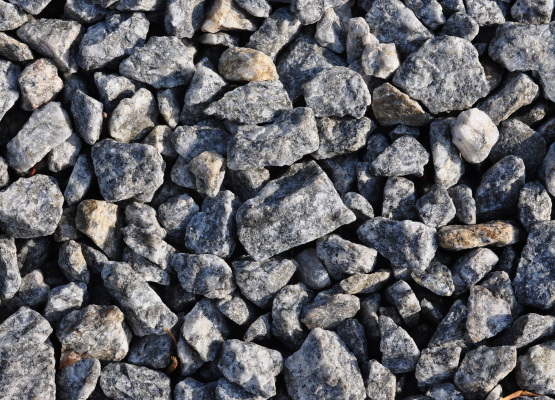
5. Crushed Granite
This fine, angular rock compacts well and offers a natural, rustic appearance.
- Colors: Tan, rose, gray
- Best for: Patios, pathways, walkways, garden accents
- Size: Sand to ¼”
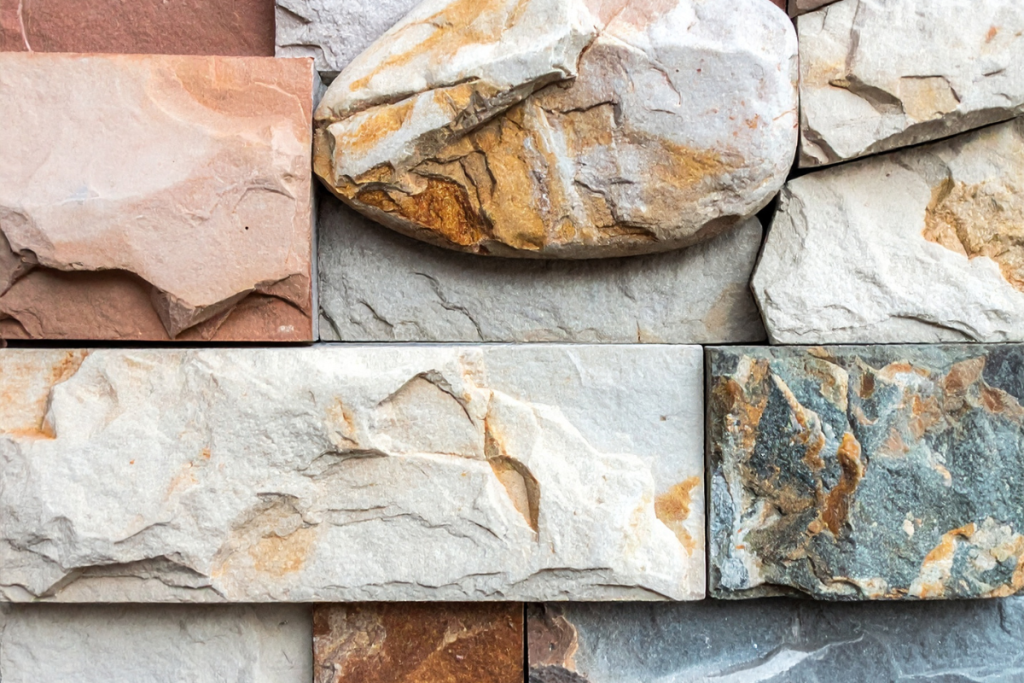
6. Slate Chips
Flat and angular with muted colors, slate chips provide a unique, layered texture perfect for modern or woodland-style landscapes.
- Colors: Gray, black, purple
- Best for: Shade gardens, natural borders, under ferns and hostas
- Size: 1″ to 3″
Decorative Rock vs. Mulch: Which Is Better?
While both materials are used as ground cover, they serve slightly different purposes.
Choose Decorative Rock if:
- You want a long-term solution with minimal upkeep
- You prefer a clean, modern look or unique textures
- Your yard needs better drainage or erosion control
- You’re building a xeriscape or low-water landscape
Choose Mulch if:
- You want to improve soil as the material breaks down
- You’re growing vegetables, annuals, or young plants that benefit from organic matter
- You like the look of natural wood or bark in garden beds
Pro tip: Many homeowners use a mix of both. Use mulch in planting beds and decorative rock in high-traffic or permanent design areas.
How to Use Decorative Rock in Your Landscape
Here are some of the most popular and effective ways to incorporate decorative rock into your outdoor space:
1. Accent Beds
Replace mulch in front yard or foundation beds with marble chips, lava rock, or river rock for a modern, low-maintenance upgrade.
2. Rock Gardens
Create a dry, layered garden with boulders, succulents, ornamental grasses, and river rock. This is a great option for drought-tolerant landscapes.
3. Walkways and Paths
Pea gravel and crushed granite are ideal for informal paths. Add steel or stone edging for a finished look and easier maintenance.
4. Water Features
Use river rock, slate chips, or larger boulders around fountains, ponds, or dry creek beds to create a natural transition between water and planting zones.
5. Tree Rings
Decorative rock around tree bases helps retain moisture, suppress weeds, and give your lawn a polished appearance.
6. Fire Pit Zones
Surround fire pits with pea gravel or lava rock for safety, drainage, and a cozy texture underfoot.
7. Contemporary Front Yards
Combine marble chips or black lava rock with succulents, grasses, and bold edging for a minimalist, low-maintenance curb appeal boost.
Trending Decorative Rock Ideas for 2026
As landscaping trends continue to shift toward sustainability and clean design, decorative rock is playing a bigger role in outdoor spaces than ever before. If you’re looking for inspiration, here are a few current ways homeowners and designers are using decorative rock in 2025:
1. Gravel Patios
More homeowners are opting for gravel patios over concrete or pavers. Using materials like decomposed granite or crushed limestone, these patios are cost-effective, easy to install, and naturally drainable—making them perfect for casual seating areas and fire pit zones.
2. Contrasting Color Beds
Bold color combinations are in. For example, white marble chips against black mulch or black lava rock next to vibrant flowering shrubs. These pairings add a high-end, editorial look to basic beds.
3. Lawn Replacement
In regions facing drought or high maintenance costs, people are replacing patches of lawn with decorative rock and native plants. It creates a clean, water-wise alternative that’s still green and beautiful.
4. Vertical Rock Features
Rock isn’t just for ground cover. Designers are building vertical rock walls, boulder clusters, and dry stacked walls using decorative stone for eye-catching focal points that break up flat spaces.
If you’re trying to create a landscape that’s modern, low-maintenance, and rooted in style, decorative rock is the perfect foundation to build on.
Choosing Decorative Rock Based on Climate and Region
Not all rock is ideal for every climate. To get the most out of your decorative rock investment, it’s helpful to consider your region’s unique weather patterns and soil type.
Dry Climates (Southwest, California, parts of Texas):
Opt for lava rock, decomposed granite, or crushed gravel that reflects the natural tones of your environment. These perform well in hot, arid areas and are perfect for xeriscaping.
Cold Climates (Northeast, Midwest):
Use crushed stone or river rock that resists frost heave and stays in place through freeze-thaw cycles. Avoid finer materials like decomposed granite, which can turn muddy if water doesn’t drain properly.
Humid or Rainy Areas (Southeast, Pacific Northwest):
River rock or pea gravel is ideal for areas with lots of rain, as they promote fast drainage and prevent soggy soil. Just be sure to install proper landscape fabric to avoid weed growth.
High Wind Zones:
Larger rocks like 1–3” river rock or angular slate chips will be more stable and less likely to blow away compared to fine gravel or lightweight lava rock.
When in doubt, consult with the team at Mulch and More—we can help match the right decorative rock to your local conditions and landscape goals.
Pairing Decorative Rock with Plants and Lighting
Decorative rock becomes even more impactful when paired with thoughtful planting and landscape lighting. The combination creates a dynamic outdoor space that looks just as beautiful at night as it does during the day.
1. Highlight Focal Plants
Use light-colored rock like marble chips or tan pea gravel around bold shrubs, colorful perennials, or sculptural grasses. The contrast draws the eye and keeps the focus on your plants.
2. Create Zones
Use decorative rock to carve out planting zones—perhaps a corner with ferns and dark lava rock, and another with succulents surrounded by crushed granite. This approach keeps the landscape organized while celebrating different textures and colors.
3. Add Landscape Lighting
Low-voltage LED lighting, installed along rock paths or tucked into planting beds, can reflect off the stones and create a soft glow. White or light-colored rock enhances brightness, while darker stones create moody ambiance.
4. Minimize Mulch Mixing
If you’re using both mulch and decorative rock, separate zones with steel edging or stone borders. This keeps materials from blending together and maintains a clean design.
By pairing plants, lighting, and rock thoughtfully, you can elevate your curb appeal and create a yard that feels intentional and beautifully designed—even after dark.
How to Install Decorative Rock (Step-by-Step)
A successful decorative rock install starts with the right prep. Here’s a simple walkthrough:
- Clear the area – Remove weeds, debris, and any old ground cover. Level the soil.
- Install landscape fabric – Lay weed barrier fabric to prevent future growth and help keep rock in place.
- Secure edges – Add edging to contain the rock and prevent shifting over time.
- Spread the rock – Use a wheelbarrow and rake to spread rock evenly. Aim for a depth of 2–3 inches.
- Smooth and settle – Rake the surface flat and water lightly to help rocks settle into place.
For larger installations, consider ordering decorative rock in bulk by the cubic yard. The team at Mulch and More can help you calculate the exact quantity you need based on area and depth.
Seasonal Maintenance Tips for Decorative Rock
While decorative rock is mostly hands-off, here are a few ways to keep it looking fresh:
- Rake periodically to level out low spots and redistribute stone
- Blow or hose off leaves, dirt, or organic debris
- Pull stray weeds (especially at edges or seams)
- Refresh edging to keep borders clean and contained
- Add a new layer every few years if settling creates bare patches
Decorative rock won’t decompose or rot, so any touch-up work is minimal compared to organic mulch.
FAQs About Decorative Rock
How much decorative rock do I need?
For most applications, aim for a 2–3 inch depth. To calculate how much you need:
Length (ft) × Width (ft) × Depth (in ÷ 12) = Cubic Feet
Cubic Feet ÷ 27 = Cubic Yards
The team at Mulch and More can help you calculate this based on your space.
Is decorative rock safe around plants?
Yes—but keep a few inches of space between the rocks and plant stems to avoid overheating or moisture issues. Pairing with well-draining soil is key.
Will decorative rock fade over time?
Most high-quality rocks, like river rock and lava rock, retain their color well. Bright stones like marble chips may darken slightly with dirt buildup but can be cleaned.
Can I mix decorative rock types?
Absolutely. Mixing textures and colors adds depth and contrast. Just be intentional with your layout and consider using edging to separate areas.
What’s the most popular decorative rock?
River rock and pea gravel are two of the most widely used due to their versatility and natural look. Marble chips are popular for bold, modern accents.
Order Decorative Rock from Mulch and More
Ready to transform your yard with durable, low-maintenance beauty? At Mulch and More, we carry a wide selection of decorative rock options in various colors, textures, and sizes to suit your style and project goals.
Whether you’re refreshing your front yard, building a dry creek bed, or designing a new patio space, our team can help you select the perfect rock—and deliver it right to your home.
Contact us today or stop by our yard to explore your options and get expert advice on how to make decorative rock work for your landscape.