Choosing the right mulch isn’t just about aesthetics—it directly affects your soil, plants, and long-term maintenance. Two of the most popular options are compost mulch and bark mulch, and while they may look similar at a glance, they serve different purposes in your landscape. Here’s what you need to know about each type, and how to decide which works best for your yard.
Compost Mulch: A Boost for Your Soil
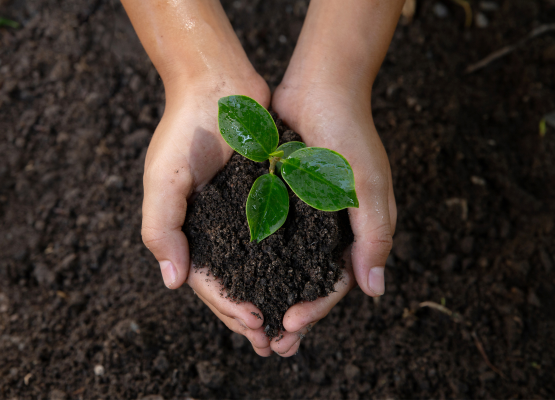
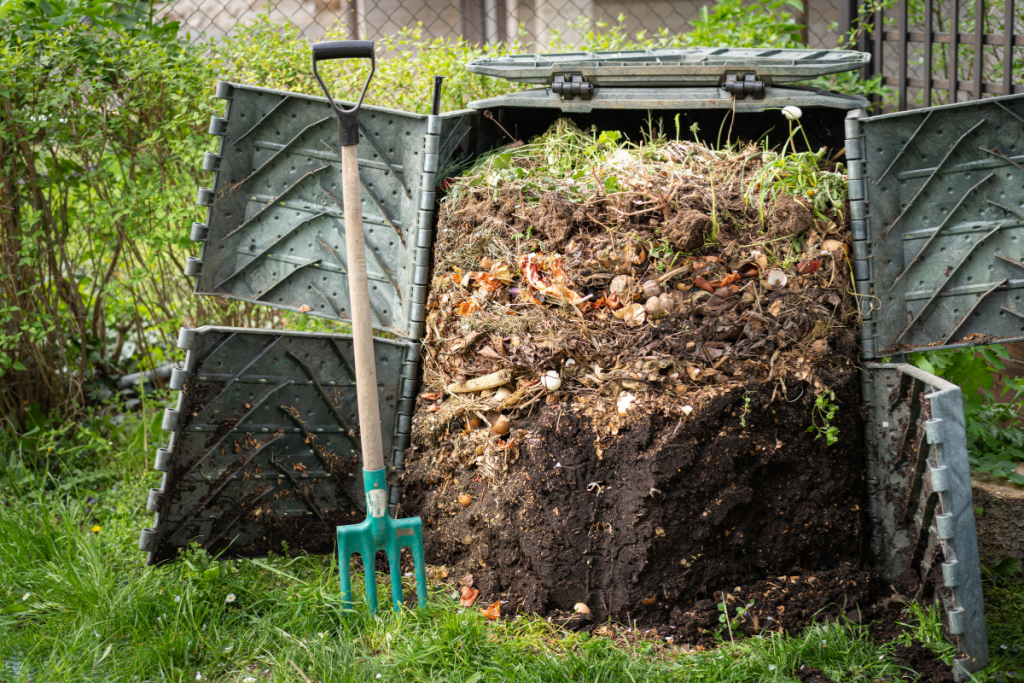
Compost mulch is made from decomposed organic materials like food scraps, leaves, and yard waste. It’s rich in nutrients and improves soil quality with every application. If your goal is healthier plants and to improve soil surface structure, compost mulch is your best friend.
It helps retain moisture, reduce erosion, and supports beneficial microbes that naturally aerate and enrich the soil.
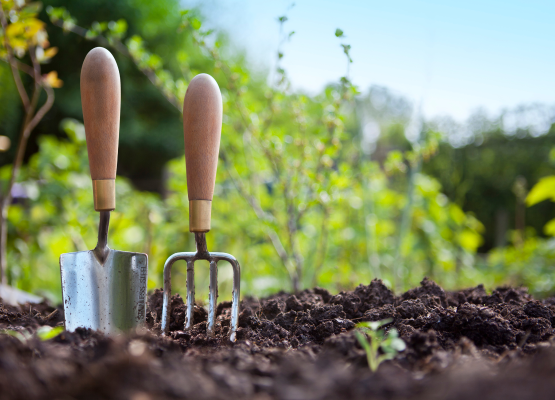
Gardeners love compost mulch for vegetable beds, flower gardens, and anywhere plant performance matters. The downside? It’s not the most visually appealing. Compost has a dark, crumbly texture and often looks more like topsoil than decorative mulch. Plus, it breaks down quickly, which means it needs to be replenished more often.
That said, compost mulch is one of the most sustainable and cost-effective options out there. If you’re looking to improve plant growth and reduce reliance on synthetic fertilizers, compost mulch offers long-term rewards.
Bark Mulch: A Clean, Long-Lasting Finish
Bark mulch, typically made from hardwood or pine, is known for its tidy appearance and long-lasting coverage. It creates a polished, cohesive look around tree trunks, plant roots, shrubs, and flower beds while helping to suppress weeds and retain soil moisture.
Unlike compost, bark mulch doesn’t add many nutrients to your soil, but it holds up well in the elements. It doesn’t break down as quickly, so it requires less frequent replacement—making it ideal for areas where aesthetics and durability matter.
Available in various colors like black, brown, and red, bark mulch also allows for design flexibility. It can help highlight architectural features or make plants stand out with sharp contrast. However, it’s heavier than compost and may compact over time, requiring occasional raking or fluffing to stay loose and breathable.
Bark mulch is perfect for homeowners looking for a decorative finish that performs season after season with minimal upkeep.
When to Choose Compost Mulch
Choose compost mulch if your top priority is plant health and soil enrichment. It’s especially beneficial in:
- Vegetable gardens
- New planting beds
- Soil restoration projects
- Areas needing frequent watering or nutrient support
Compost mulch encourages deep root growth and keeps your garden beds biologically active. It also supports plant growth by helping the soil retain water and resist compaction.
When to Choose Bark Mulch
Bark mulch is ideal when you’re looking to enhance curb appeal and reduce maintenance.
Use it for:
- Front yard flower beds
- Garden centers
- Moisture retention
- Around trees and shrubs
- Along walkways or patios
- Mulch rings around driveways and edges
If you want mulch that stays in place, looks great, and won’t need constant refreshing, bark mulch is a smart investment—especially for highly visible areas of your yard.
Can You Use Multiple Types of Mulch?
Absolutely. Many homeowners and landscapers use compost mulch as a base layer, then apply bark mulch on top. This approach delivers both nutrient benefits and visual polish. The compost nourishes the soil, while the bark mulch locks in moisture, deters weeds, and gives a clean, finished look. Just make sure the compost is fully decomposed before layering.
FAQ: Compost vs. Bark Mulch
Is compost mulch safe for all plants?
Yes—as long as it’s fully decomposed. Unfinished compost can generate heat or attract pests.
Does bark mulch improve soil?
Not significantly, but it helps maintain consistent soil temperature and moisture.
Can I use compost mulch in flower beds?
Absolutely. It works well in beds where nutrients are a priority, especially annuals and perennials.
How often should I reapply bark mulch?
Typically every 1–2 years, depending on weather and foot traffic.
Can compost mulch smell bad?
Not if it’s mature. Finished compost should have a neutral, earthy smell—not sour or rotten.
Which mulch is better for appearance?
Bark mulch offers a cleaner, more uniform look that holds color better than compost.
Will compost mulch attract pests?
Only if it’s not fully broken down. Stick to well-aged compost for surface applications.