If you’ve just finished a grading project or had fill soil delivered to even out your yard, you might be wondering: Can I plant directly in fill soil? The short answer? Technically yes—but it’s not recommended.
Fill soil is essential for building a solid base, but it’s not designed to grow anything. Before planting grass, trees, flowers, or vegetables, there are a few things you need to know about why fill soil behaves differently from topsoil and what you can do to prepare it for healthy root development.
What Is Fill Soil Made Of?
Fill soil, also known as fill dirt, is typically composed of subsoil—the layer beneath topsoil. It contains a mix of sand, silt, clay, and sometimes small rocks or gravel. Most importantly, it contains little to no organic matter, which means:
- It lacks nutrients that plants need
- It doesn’t support microbial life
- It compacts easily, reducing root penetration
- It may drain poorly or too quickly, depending on the composition
Because fill soil isn’t naturally fertile, it’s used for building and shaping the land, not supporting plant life. It creates volume and stability, but doesn’t offer the conditions that roots need to thrive.
Why Planting in Fill Soil Is a Bad Idea (Most of the Time)
While it’s possible for some weeds or hardy grasses to grow in fill soil, most desirable plants—like vegetables, shrubs, flowers, or trees—won’t do well in it without major amendment.
Here’s what can happen if you plant directly in fill soil:
- Poor growth or stunted plants due to nutrient deficiency
- Water pooling or runoff issues because of compaction or poor drainage
- Roots struggling to expand in hard, compacted layers
- Higher chance of plant disease or death due to stress
Even if your fill soil looks “okay” on the surface, it typically can’t support long-term plant health unless it’s improved or layered with better soil.
How to Prepare Fill Soil for Planting
If you want to plant over an area where fill soil was recently placed, here’s how to do it the right way:
1. Add a Layer of Topsoil
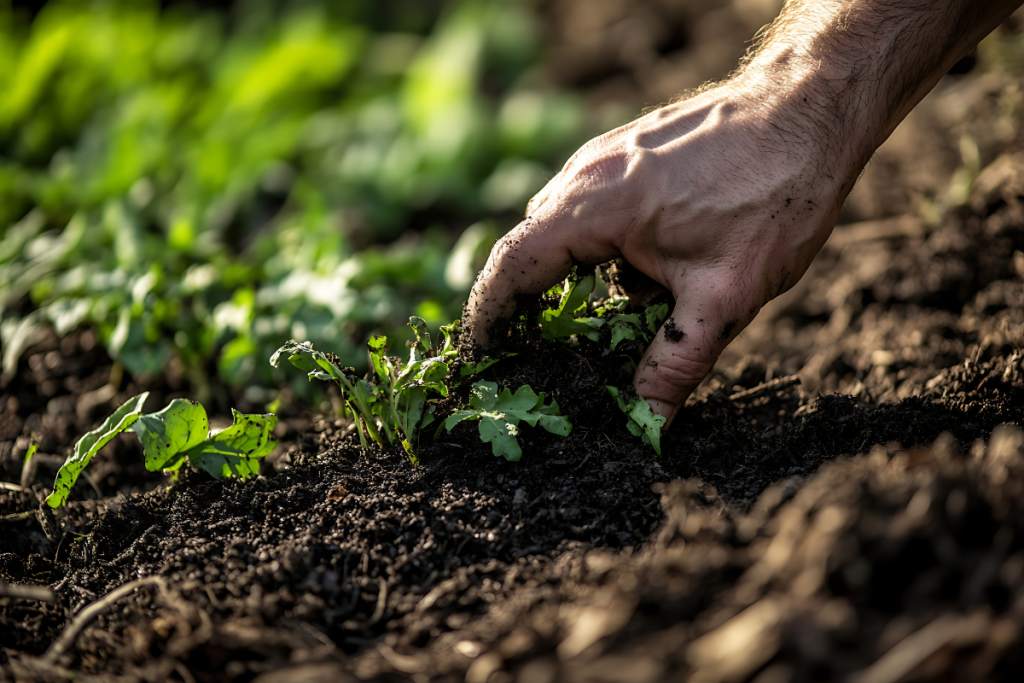
Spread 6–12 inches of screened topsoil or garden soil over the fill soil before planting. This gives your plants a nutrient-rich zone to establish roots.
2. Mix in Organic Matter
If you’re blending the two layers, incorporate compost, aged manure, or other organic materials to improve drainage, fertility, and microbial activity.
3. Test Drainage and Compaction
Use a garden fork or screwdriver to test how easily it penetrates the soil. If the fill is too compacted, loosen it with a tiller before planting.
4. Do a Soil Test
If you’re planting vegetables or perennials, consider testing the pH and nutrient levels. This helps you fine-tune any amendments needed.
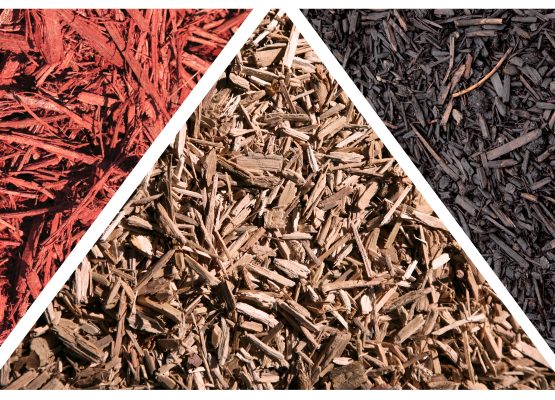
5. Mulch the Surface
After planting, apply mulch to retain moisture and prevent weed competition. It also improves long-term soil health as it breaks down.
When Can You Plant in Fill Soil (Without Amending)?
There are a few situations where planting directly in fill soil may work:
- Temporary grass seeding (for erosion control or aesthetics)
- Hardy groundcovers or turf designed for tough soil
- Gravel-tolerant plants or xeriscaping using sandy fill
- Wildflower mixes that don’t require rich soil
However, these are the exception—not the rule. For anything permanent or ornamental, adding topsoil is always the best approach.
Fill Soil Isn’t Plant Soil—But You Can Work With It
Fill soil is great for creating shape, structure, and grade in your yard—but it’s not ready for planting on its own. With the right prep, you can turn a fill-covered area into a lush lawn, garden bed, or tree line. It just takes a little layering, some compost, and a smart plan.
At Mulch and More, we help homeowners and landscapers find the right soil for every stage of their project—from structural fill to screened topsoil and compost. Need help prepping your fill soil for planting? We’ve got the right blend—and the delivery truck—to help you make it happen.
Stop by or give us a call today to get expert guidance on transforming your filled-in yard into a thriving, growing space.
Always Know Before You Order Fill Soil
Fill soil may not be the star of the show, but it’s the base that everything else relies on. Whether you’re prepping for a patio, fixing a drainage issue, or giving your yard a much-needed facelift, knowing how much fill soil you need—and using the right kind— can save you from uneven surfaces, future settling, and unnecessary stress.
At Mulch and More, we help homeowners and pros alike estimate, order, and install the right type and amount of fill soil for every project. From structural fill to screened clean fill, we deliver directly to your site—and we’re happy to walk you through the math.
Call us today or stop by to get started. Let’s build your project on a solid foundation—literally.
FAQ: Planting in Fill Soil
Can I grow grass in fill soil?
Yes—but it’s best to apply 2–4 inches of topsoil over fill soil before seeding or laying sod. This helps with root development and water retention.
Do I have to remove fill soil before planting?
No, but you do need to amend it. Mix in compost or add topsoil on top to improve growing conditions.
Will trees survive in fill soil?
Most trees won’t thrive in pure fill soil. For successful planting, dig wider holes, backfill with a mix of native soil and compost, and ensure proper drainage.
Can I turn fill soil into garden soil?
Yes, over time. Adding organic matter, topsoil, and mulch—combined with minimal compaction—can gradually improve soil health.
How deep should topsoil be over fill?
A minimum of 6 inches is recommended for lawns and shallow-rooted plants. For vegetables or deep-rooted shrubs, 8–12 inches is better.