Mulch isn’t just a finishing touch for your garden beds—it’s a hard-working, multi-purpose material that can improve your soil, protect your plants, and elevate the look of your property. Whether you’re working on flower beds, vegetable patches, walkways, or play areas, understanding the full range of mulch uses can help you create a healthier, more beautiful landscape.
In this guide, we’ll walk through the top ways mulch is used in landscaping, how to apply it effectively, and how to choose the right type for every area of your yard.
Why Mulch Usage Matters More Than You Think
Mulch is any material spread over the surface of the soil to conserve moisture, suppress weeds, regulate temperature, prevent erosion, and improve aesthetics. It can be organic—like bark, compost, or straw—or inorganic, like gravel or rubber. Mulch plays a vital role in soil health and plant protection and can dramatically reduce the time and money you spend maintaining your outdoor space.
When applied correctly, mulch acts like a protective blanket. It shields your soil from the sun, slows evaporation, deters weed growth, and helps plant roots stay warm in winter and cool in summer.
Top Uses for Mulch in Landscaping
Mulching Flower Beds
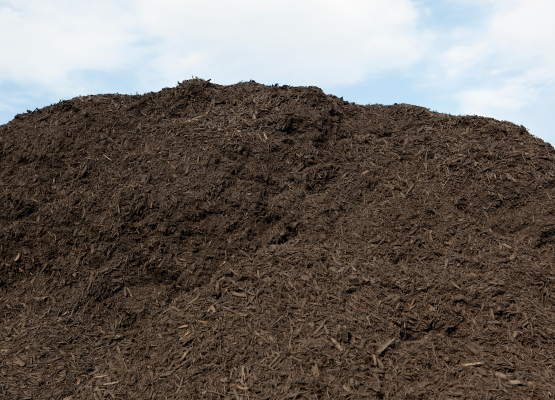
One of the most common uses of mulch is in flower beds. A fresh layer of mulch instantly makes your beds look polished and well-tended, but it does much more than improve curb appeal. Mulch helps retain moisture in the soil, making it easier for your flowers to thrive even during dry spells. It also stops weeds before they start and slowly adds nutrients to the soil as it breaks down. Bark mulch, shredded hardwood, and dyed mulch in brown or black are popular choices for flower beds.
Supporting Vegetable Gardens
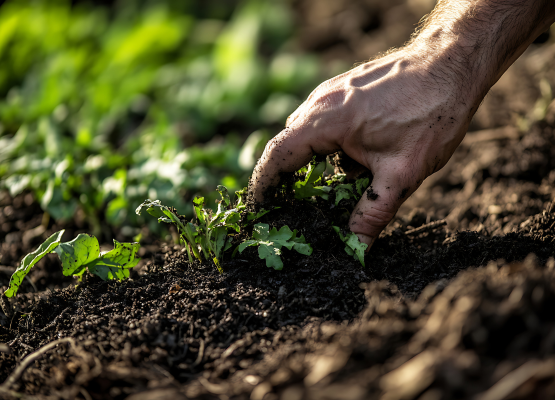
Mulch is also a valuable ally in vegetable gardening. In food-producing beds, mulch does triple duty by holding in moisture, preventing soil-borne diseases, and keeping weeds under control. It also helps maintain consistent soil temperatures, which is especially important during extreme heat. Organic mulches like straw, compost, or untreated grass clippings are ideal here because they decompose and improve the soil structure over time, providing ongoing benefits to your crops.
Protecting Trees and Shrubs
Mulch is essential around the base of trees and shrubs. It protects roots from temperature swings, locks in soil moisture, and keeps lawn equipment from damaging bark. However, it’s important not to pile mulch against the trunk. This common mistake, known as “volcano mulching,” can cause rot and invite pests. Instead, create a mulch ring a few feet wide around the tree, keeping a few inches clear around the base. Shredded bark, pine straw, and wood chips are well-suited for this type of application.
Lining Garden Pathways
Mulch is often used to define and cushion garden pathways. It provides a soft, natural walking surface that blends seamlessly with your landscape and helps control weeds between stepping stones or pavers. Coarser mulch like wood chips or rubber mulch works best for paths, especially when layered over weed fabric to improve durability and reduce shifting. Gravel and stone mulch also work well in high-traffic areas and add a decorative element.
Mulching Play Areas
Backyard playgrounds are another area where mulch plays an important role. Certain types of mulch provide a soft landing under swings, slides, and jungle gyms, helping to absorb shock and keep kids safer during play. Rubber mulch and engineered wood fiber are popular for this purpose because they don’t decompose as quickly and can be leveled easily. Always check that your chosen mulch is certified for playground use and installed at the proper depth to meet safety standards.
Controlling Erosion on Slopes
If you have a sloped yard or an area prone to runoff, mulch can help stabilize the soil. It reduces the impact of heavy rain, slows water flow, and encourages absorption. Mulch like straw, pine needles, or shredded bark can be layered over steep areas to prevent soil from washing away. For added stability, use erosion control netting or plant ground cover beneath the mulch for long-term reinforcement.
Preventing Weeds Naturally
Few things are more frustrating than constant weeding. Mulch provides one of the easiest, most natural forms of weed control by blocking sunlight and making it harder for weed seeds to sprout. A thick layer of mulch—usually about 2 to 3 inches—is enough to prevent most unwanted growth. Organic mulches like bark or wood chips are common for this use, but inorganic options like rubber or gravel can also be effective in non-planting areas.
Improving Soil Over Time
Organic mulch doesn’t just sit on top of the soil—it works its way in. As it decomposes, it enhances soil structure, encourages healthy microbial activity, and boosts nutrient availability. Compost mulch, shredded leaves, and grass clippings are particularly effective for improving garden soil. These types of mulch break down more quickly than bark, so they may need to be replenished more often, but they provide a natural, chemical-free way to build better soil.
Insulating in Cold Weather
In the winter, mulch acts like an insulator for your landscape. A good layer of mulch around perennials, shrubs, and trees helps protect root systems from harsh temperatures and frost heaving. This is especially important in climates with freeze-thaw cycles, where plants are vulnerable to temperature swings. Wait until the ground has frozen before applying mulch for winter insulation—this keeps soil temperatures consistent and protects plant roots through the coldest months.
Retaining Moisture During Dry Spells
One of the most practical benefits of mulch is its ability to reduce evaporation. By covering the soil surface, mulch helps it stay moist longer, cutting down on how often you need to water. This is especially useful during hot, dry summers or in areas prone to drought. Bark mulch, compost mulch, and cocoa hulls are all excellent for retaining moisture while also providing a clean, finished look to your garden beds.
Enhancing Your Landscape Aesthetically
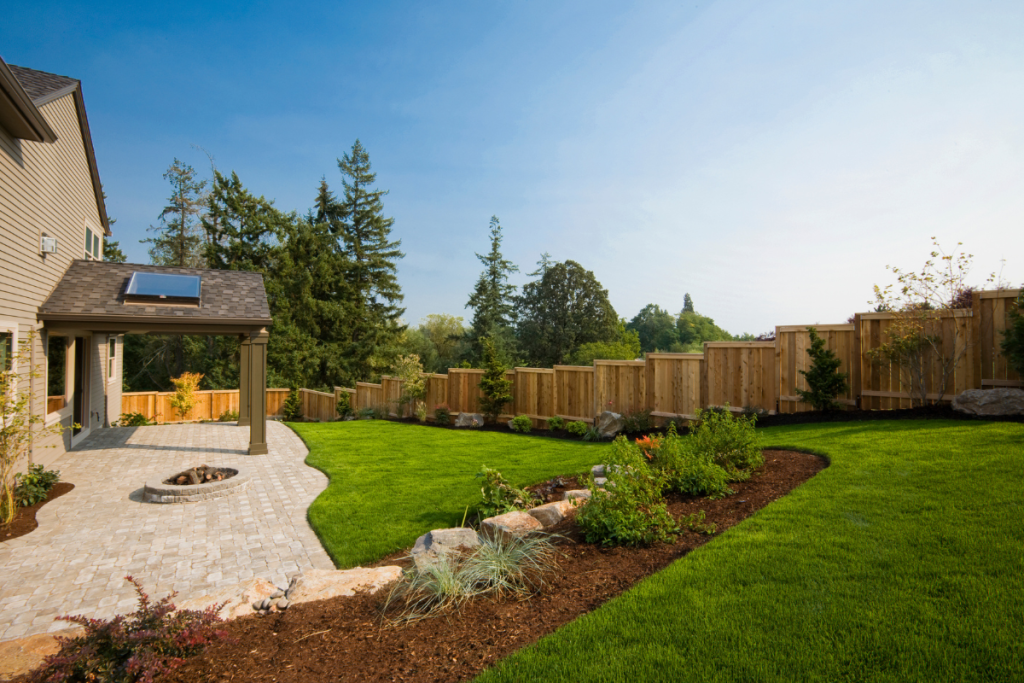
Mulch isn’t just functional—it’s also a design element. Whether you’re using red, brown, or black-dyed mulch to contrast with your flowers or choosing natural stone mulch for a more refined look, mulch adds texture and definition to your landscaping. Fresh mulch makes beds look tidier, outlines planting zones clearly, and boosts curb appeal instantly. With so many color and texture options available, mulch can be both a finishing touch and a feature in its own right.
Choosing the Right Mulch Use for Each Job
Different types of mulch serve different purposes, and the best choice depends on your goals. For nutrient-rich soil improvement, compost and shredded leaves are ideal. For decorative appeal, dyed bark mulch or stone mulch works well. For erosion control, consider pine straw or wood chips. For playgrounds and paths, rubber mulch provides durability and safety. There are plenty of options between organic material and inorganic mulches to fit your exact needs.
If you’re working with edible plants, stick with organic and untreated materials. In high-traffic areas, choose mulch that won’t break down too quickly. And if you’re mostly after visual appeal, select a mulch color that complements your home and landscape.
Creating Low-Maintenance Landscapes with Mulch Uses
If you’re looking for a way to spend less time weeding, watering, and cleaning up your yard, mulch is your best friend. When used strategically, and depending on the type, mulch turns high-maintenance areas into clean, low-effort zones that stay tidy with minimal upkeep.
Here’s how mulch supports a low-maintenance lifestyle:
- Reduces watering needs: Mulch slows down evaporation and absorbs water, so your soil stays moist longer—especially during hot, dry summers.
- Keeps weeds in check: A thick mulch layer prevents weed seeds from getting sunlight, cutting down on your weeding time.
- Minimizes mowing borders: Mulching around trees, fence lines, and garden beds reduces how much lawn you need to mow.
- Prevents mud and mess: In areas that get soggy or messy after rain, mulch creates a drier, cleaner walking surface.
Best mulch types for low-maintenance areas:
- Rubber mulch – Long-lasting, weed-resistant, and doesn’t decompose
- Dyed hardwood – Durable with a crisp, finished look
- Gravel or stone mulch – Permanent solution for dry, decorative areas
- Shredded bark – Affordable and effective in large areas
Smart places to use mulch for easy upkeep:
- Around HVAC units or utility boxes
- Beneath raised garden beds or planter boxes
- Under outdoor furniture or patio edges
- Along pathways, fences, and driveways
Pro tip: Keep a clean edge using a spade or edging tool before laying mulch. This creates a natural border and keeps mulch from spilling into lawns or paved areas.
With just a few yards of mulch, you can dramatically reduce weekly maintenance and make your yard look polished year-round—without constantly reaching for the hose or weeding tool.
Unexpected Ways to Use Mulch
Mulch is incredibly versatile, and some of its uses might surprise you. For example, it can be layered in compost bins to reduce odor and regulate moisture. It can also be used to cover the soil in container gardens, helping potted plants retain water longer. In pet areas, mulch helps reduce mud and creates a cleaner surface. You can also use gravel or stone mulch around fire pits or outdoor kitchens to define spaces and keep them low-maintenance. Even rain gardens benefit from mulch, as it helps soak up excess water while maintaining visual order.
Tips for Effective Mulch Use
To get the most out of your mulch, apply it correctly. Always start with weed-free soil and, when possible, water before and after mulching to help lock in moisture. Keep mulch about two to three inches thick in most areas. For trees and shrubs, go slightly deeper—but don’t pile it against the trunk. Rake mulch occasionally to refresh its appearance and prevent compaction, which can restrict airflow to the soil.
Avoid laying down plastic sheeting beneath mulch, as it can trap water and suffocate roots. Instead, use breathable weed barrier fabric when needed. Remember, organic mulch will break down over time—plan to replenish it once a year or as needed to maintain effectiveness.
Eco-Friendly Landscaping with Mulch
If sustainability is a priority in your home or garden, mulch is one of the easiest and most impactful eco-friendly upgrades you can make. Not only does it reduce waste and improve soil health, but it also supports water conservation and pollinator-friendly practices.
Ways mulch helps the environment:
- Reduces water usage: By holding in moisture, mulch minimizes how often you need to irrigate
- Improves soil naturally: Organic mulch decomposes over time, enriching your soil without synthetic fertilizers
- Prevents runoff and erosion: Mulch stabilizes soil and absorbs rainfall, protecting local waterways
- Reduces landfill waste: Repurposed mulch—like ground wood pallets or tree trimmings—gives new life to old materials
Sustainable mulch options to consider:
- Compost mulch – Made from kitchen scraps or green waste, and excellent for gardens
- Shredded leaves – Completely free and abundant in the fall
- Straw or hay – Renewable and fast-decomposing, great for veggie beds
- Natural hardwood mulch – Long-lasting and often made from locally sourced timber
Additional eco-conscious tips:
- Avoid dyed mulch if you’re growing edibles or planting for pollinators
- Use landscape fabric sparingly to avoid disrupting soil life
- Buy in bulk to reduce plastic bag waste
- Choose local suppliers to minimize shipping emissions
Quick win: If you already compost at home, use some of that compost as a mulch layer around your plants—it’s the most sustainable option available.
Mulch is more than just a ground cover—it’s a key player in building a greener, more responsible landscape. Every layer you spread helps conserve resources, build healthier ecosystems, and reduce your environmental footprint.
When to Use Mulch: A Seasonal Breakdown
Spring is one of the best times to apply mulch, especially in flower beds and vegetable gardens. It keeps weeds down early and holds in moisture before the summer heat kicks in. Summer is ideal for adding mulch around water-sensitive plants and trees. In the fall, mulch helps insulate roots and prepare the garden for winter. And while winter isn’t a time to mulch actively, applying a layer late in the season can help protect cold-sensitive perennials.
The timing may vary depending on your local climate, but the benefits remain consistent year-round.
Defining Outdoor Zones Using Mulch
Mulch isn’t just functional—it’s a powerful visual design tool. In landscape design, mulch can be used to break up your yard into clear, purposeful zones. Whether you’re working with a small backyard or a sprawling property, mulch helps you create structure and define space.
Common zones you can outline with mulch:
- Garden beds and planting borders – Highlight flowers, shrubs, or raised beds with contrasting mulch colors
- Play areas – Use rubber mulch to frame kid-friendly zones and add color
- Fire pits or seating areas – Gravel or stone mulch can provide a safe base for chairs and fire features
- Pathways and transitions – Guide movement from one area to another with wood chips or decorative gravel
- Pet zones or utility spaces – Use mulch to section off dog runs, compost bins, or storage sheds
Benefits of using mulch for zoning:
- Clear visual boundaries without using expensive hardscaping
- Easier navigation in your yard or garden
- Cost-effective alternative to stone or paver installations
- Cleaner, more polished look for backyard layouts
Design tip: Use a mix of mulch types (like black dyed bark for garden beds and natural cedar for paths) to add contrast and help each area stand out.
Zoning with mulch makes your yard feel more intentional and usable. It’s especially helpful for families, renters, or DIY landscapers who want a flexible way to organize space without investing in major construction.
Get More Out of Your Yard With the Right Mulch
Mulch is one of the simplest, most effective ways to improve your landscape. It supports healthy plant growth, makes garden maintenance easier, and boosts your property’s visual appeal. With the right material and proper application, mulch can serve many functions—from retaining moisture and enriching soil to creating safer play areas and enhancing curb appeal.
Whether you’re a seasoned gardener or just starting to upgrade your yard, there’s a mulch type and application method that can make your outdoor space healthier, more beautiful, and easier to maintain.
Mulch and More: Your Local Source for Premium Mulch
Looking for high-quality mulch that’s right for your yard? At Mulch and More, we carry a wide variety of mulch options—including bark, compost, straw, rubber, and stone—available for pickup or delivery. Our knowledgeable team can help you choose the best mulch for your specific project, whether you’re improving a vegetable garden, refreshing your flower beds, or building a safe, beautiful play area.
Contact us today to learn more or place your order—and give your landscape the boost it deserves.
FAQ: Common Mulch Use Questions
What is mulch used for?
Mulch is used to suppress weeds, retain moisture, protect plant roots, control erosion, and improve the overall look of your landscape.
What kind of mulch should I use for my vegetable garden?
Stick with organic, untreated mulch like compost, straw, or grass clippings for vegetable gardens to enrich the soil safely.
Can I use mulch around trees and shrubs?
Yes! Mulch helps insulate the root zone and retain moisture—but keep it pulled away from the trunk to prevent rot.
How often should I replace mulch?
Most organic mulches should be topped off or refreshed at least once a year, especially after winter weather or heavy rainfall.
Does mulch attract bugs?
Some mulches, such as straw and bark, can attract insects; however, most bugs are harmless or beneficial. Avoid piling mulch too thick, and don’t let it touch your home’s foundation.