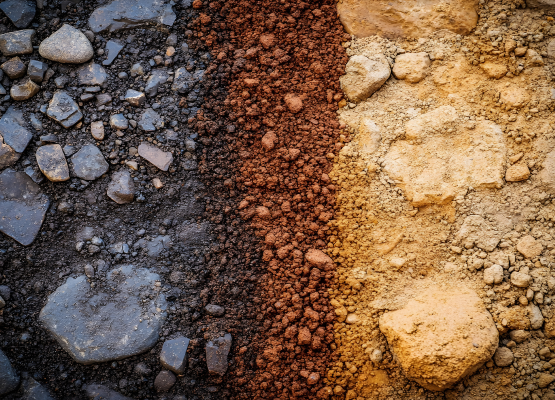
Fill soil might not be the flashiest part of your landscaping or construction project, but it’s one of the most important. Before you can grow grass, pour concrete, or plant shrubs, you need a stable foundation—and fill soil provides exactly that.
Whether you’re a homeowner tackling a weekend project or a contractor preparing a build site, knowing when (and how much) fill soil to use will save you time, money, and hassle.
Here are five of the most common projects that require fill soil—plus simple tips to calculate how much you’ll need for each.
1. Leveling a Sloped or Uneven Yard
If your backyard is sloped, hilly, or full of dips and depressions, fill soil can help you reclaim that space and make it usable. Leveling a yard creates a smoother surface for patios, lawns, and kids’ play areas—and prevents standing water or poor drainage.
How much do you need:
Measure the length × width × average depth of the area you’re leveling, then divide by 27 to convert cubic feet to cubic yards.
Example: A 20 ft × 15 ft area filled 1 ft deep =20 × 15 × 1 = 300 ÷ 27 = 11.1 cubic yards
2. Backfilling Around a Foundation or Retaining Wall
After a new home foundation, basement wall, or retaining wall is built, the surrounding space needs to be backfilled with soil. This prevents collapse, provides drainage support, and helps prevent water infiltration.
Pro tip:
Use structural or compactable fill to prevent future settling. This is especially important around poured concrete structures or hardscaping features.
How much do you need:
Backfilling is often done in narrow trenches. Measure the length of the wall, average trench width, and desired depth.
Example: A 50 ft wall with a 2 ft wide trench, 4 ft deep =50 × 2 × 4 = 400 ÷ 27 = 14.8 cubic yards
3. Raising the Grade Around a House or Building
If water pools near your home’s foundation, raising the grade with fill soil helps redirect runoff and protect your structure. A gentle slope of 1 inch per foot is typically recommended, extending 6–10 feet from the foundation.
How much do you need:
Estimate an average depth of 6 inches (0.5 ft) tapering outward.
Example: 10 ft out from all four sides of a 40 ft × 30 ft home: Perimeter = 140 ft × 10 ft wide × 0.5 ft deep = 700 ÷ 27 = ~26 cubic yards
4. Building Berms or Landscape Mounds
Creating raised mounds or privacy berms in the landscape requires large volumes of fill soil. These features add visual interest and can help with sound blocking or property separation—but they must be built with compactable fill and finished with topsoil before planting.
How much you need:
Use the formula for a half-oval:
Length × Width × Height × 0.52 ÷ 27 = cubic yards
Example: A berm 30 ft long, 8 ft wide, 3 ft high =30 × 8 × 3 × 0.52 = 374.4 ÷ 27 = ~13.9 cubic yards
5. Filling Holes or Low Spots in the Yard
Maybe a tree was removed, a garden bed was dug out, or erosion created dips in your lawn. Fill soil is perfect for quickly patching and restoring these areas to grade—especially when topped with topsoil for grass growth.
How much you need:
For small holes or depressions, calculate as simple rectangular or circular shapes.
Example: A 4 ft × 4 ft × 1.5 ft deep hole =4 × 4 × 1.5 = 24 ÷ 27 = ~0.9 cubic yards
Even for smaller jobs, it’s often more cost-effective to order at least 1–2 yards, since most suppliers have minimum delivery volumes.
Always Know Before You Order Fill Soil
Fill soil may not be the star of the show, but it’s the base that everything else relies on. Whether you’re prepping for a patio, fixing a drainage issue, or giving your yard a much-needed facelift, knowing how much fill soil you need—and using the right kind— can save you from uneven surfaces, future settling, and unnecessary stress.
At Mulch and More, we help homeowners and pros alike estimate, order, and install the right type and amount of fill soil for every project. From structural fill to screened clean fill, we deliver directly to your site—and we’re happy to walk you through the math.
Call us today or stop by to get started. Let’s build your project on a solid foundation—literally.
FAQ: Fill Soil for Specific Projects
How do I know if I need fill soil or topsoil?
If you’re leveling, backfilling, or grading—use fill soil. If you’re planting on top, finish with 6–12 inches of topsoil or garden soil.
Can I install fill soil myself?
Yes! For small-to-medium projects, you can spread and compact fill soil using a shovel, rake, and manual tamper. For larger jobs, consider renting a skid steer or hiring a pro.
Do I need to compact fill soil?
Absolutely. Compaction prevents settling, which is key for structural support. Spread in 6–12 inch layers and compact as you go.
How do I order the right amount of fill?
Use the formula: Length × Width × Depth ÷ 27 = Cubic Yards. Round up and account for some settling or spillage.