Firewood is one of the few products people regularly buy without a consistent, universally understood unit of measurement. Ask five different sellers what a “cord” means and you might get five slightly different answers — and terms like “face cord,” “rick,” and “pickup truck load” only add to the confusion. Before you place an order, it helps to know exactly what you’re buying so you can compare pricing accurately and make sure you’re getting the amount of wood you actually need.
The Full Cord: The Only Standardized Measurement
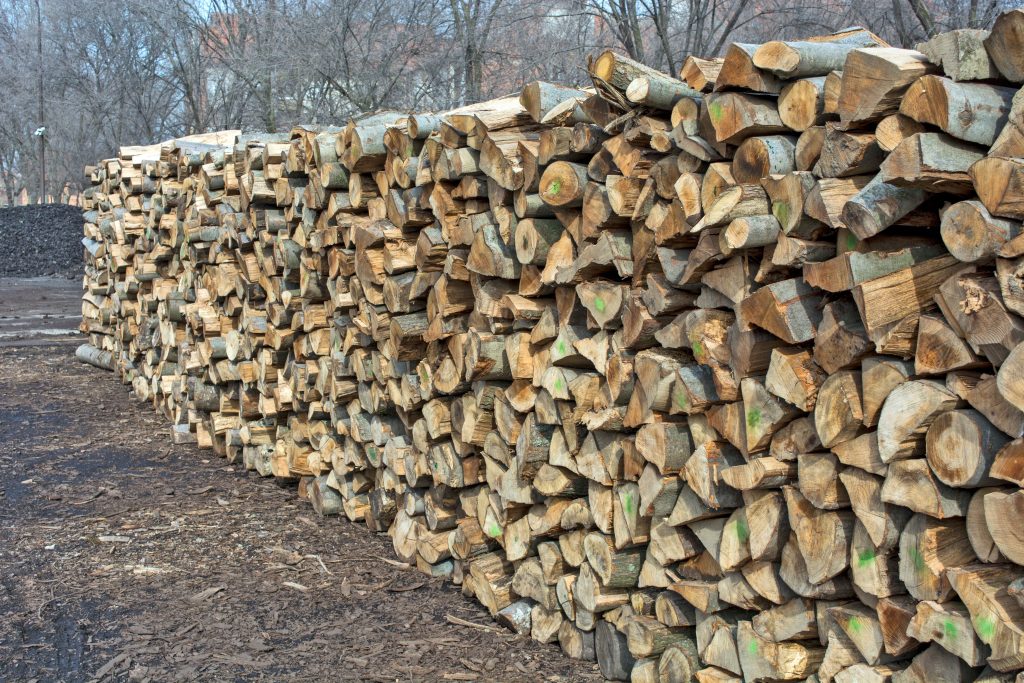
A full cord is the one firewood measurement with an actual legal definition in most of the United States. It’s a stack of wood measuring 4 feet high, 4 feet deep, and 8 feet long — 128 cubic feet total, including the air gaps between logs. That’s a substantial amount of wood: enough to fill most of a pickup truck bed stacked well above the sides, or roughly a third to a half of an average home’s heating needs for a full winter, depending on climate, wood species, and how often the fireplace or stove is used.
Because it’s a fixed volume, the full cord is the measurement to ask for by name when you want an apples-to-apples comparison between sellers. If a price seems unusually low, it’s worth confirming whether it’s actually for a full cord or one of the smaller, less standardized units below.
Face Cords: The Source of Most Confusion
A face cord (sometimes called a “rick”) is typically 4 feet high and 8 feet long, just like a full cord — but the depth is only as long as a single piece of cut wood, usually somewhere between 12 and 18 inches, rather than the full 4 feet. That means a face cord is only a third to a half of a full cord’s actual volume, even though it takes up roughly the same footprint of visual “wall of wood” when stacked.
This is where a lot of buyers get shorted without realizing it. Someone advertising “a cord” of firewood at a bargain price may actually be selling a face cord — a fraction of the wood at what looks like a fraction of the cost, but at a worse price per cubic foot once you do the math. Always ask directly whether a quoted price is for a full cord or a face cord before comparing offers.
Other Terms You Might Encounter
- Rick: Often used interchangeably with face cord, though the exact dimensions can vary regionally.
- Pickup truck load: An informal, non-standardized unit that depends entirely on the size of the truck bed and how high the wood is stacked — useful for a quick estimate, but not a reliable unit for comparing prices.
- Bundle: Small, pre-packaged amounts sold at grocery stores or gas stations for occasional fire pit or campfire use — convenient, but a poor value for anyone heating a home or burning regularly.
How Much Wood Do You Actually Need?
The right amount depends on how you’re using it:
- Occasional fire pit or fireplace use (a few fires a month) might only require a face cord or a partial cord for an entire season.
- Regular fireplace use through a typical Chester County winter often calls for a half to full cord.
- Wood stove heating as a primary or supplemental heat source can require multiple full cords depending on the size of the home and how much of the heating load the stove is carrying.
If you’re not sure where your household falls, it’s worth ordering a partial amount first and tracking how quickly it burns through a few weeks of typical use before committing to a full season’s supply.
Ordering the Right Amount
At Mulch and More, our Firewood is a mixed hardwood blend of ash, oak, maple, and poplar, and we’re happy to walk through exactly what you’re ordering in terms of cord measurement before delivery — no guessing about face cords versus full cords. Once your wood arrives, proper stacking matters just as much as the amount you bought; see our guide to firewood storage for tips on keeping a full cord dry and accessible through the winter.
If you’re planning ahead for the season, our seasonal buying guide covers when to order so your wood has time to season properly before you need it.
Not sure how much to order? Contact us or call (610) 644-8086 and we’ll help you figure out the right amount for your fireplace, stove, or fire pit before delivery day.