Mulch is one of the most powerful tools in your gardening arsenal. Whether you’re growing vegetables, flowers, herbs, or shrubs, garden mulch helps your plants thrive while making your life a whole lot easier. From reducing weeds and retaining moisture to enriching your soil and boosting curb appeal, mulch works overtime in any outdoor space.
But not all mulch is created equal—and choosing the wrong type or applying it incorrectly can cause more harm than good. In this complete guide to garden mulch, we’ll explore:
- The top benefits of using mulch in your garden
- A breakdown of different mulch types (and when to use each)
- How to apply garden mulch like a pro
- Seasonal tips and maintenance advice
- Common mistakes to avoid
- And much more
Let’s dig in.
Why Mulch Matters in the Garden
If you’ve ever wondered whether mulch is really necessary, the answer is a resounding yes—especially in garden beds. While mulch might look like a finishing touch, its real value lies beneath the surface.
Here’s what mulch does for your garden:
- Suppresses weeds: A thick mulch layer blocks sunlight, stopping weeds before they start.
- Retains moisture: Mulch reduces water evaporation, helping soil stay damp longer (especially during summer).
- Regulates soil temperature: It keeps soil cooler during heat waves and warmer during early spring or late fall.
- Prevents erosion: Mulch shields the soil from heavy rains and runoff, keeping nutrients where they belong.
- Improves soil health: Organic mulch breaks down over time, feeding your soil with rich nutrients.
- Protects plant roots: Mulch reduces soil compaction and creates a stable environment for root systems.
- Adds visual polish: Fresh mulch gives any garden a clean, well-maintained look.
No matter what you’re growing, mulch makes it easier to maintain a healthy, thriving garden with fewer inputs and less stress.
The Main Types of Garden Mulch (And How to Choose the Right One)
Choosing the right type of mulch depends on your garden’s needs, your climate, and how much maintenance you’re willing to take on. Here’s a breakdown of the most popular types of garden mulch and what each is best for.
Organic Mulches (Break Down Over Time)
- Shredded Bark or Hardwood Mulch
- Great for: Flower beds, shrubs, perennials
- Benefits: Long-lasting, good weed suppression, improves soil as it decomposes
- Tip: Choose natural, undyed options for edible gardens
- Straw or Hay
- Great for: Vegetable gardens, raised beds
- Benefits: Lightweight, affordable, excellent weed control
- Tip: Make sure it’s seed-free (use straw, not hay, to avoid weeds)
- Compost Mulch
- Great for: Veggie gardens, flower borders
- Benefits: Nutrient-rich, improves soil structure and fertility
- Tip: Layer with another mulch for better weed control
- Grass Clippings
- Great for: Budget-friendly garden beds
- Benefits: Free, fast to break down
- Tip: Let clippings dry before applying to avoid matting or odor
- Leaf Mulch
- Great for: Woodland gardens, flower beds
- Benefits: Free, nutrient-dense, good moisture retention
- Tip: Shred leaves first for better coverage and breakdown
- Pine Needles (Pine Straw)
- Great for: Acid-loving plants (azaleas, blueberries)
- Benefits: Lightweight, easy to apply, decent weed barrier
- Tip: Use sparingly in windy areas—they can blow away
Inorganic Mulches (Don’t Decompose)
- Gravel or Stone
- Great for: Decorative borders, xeriscapes, pathways
- Benefits: Permanent, excellent drainage
- Tip: Combine with weed fabric to prevent weeds from growing through
- Rubber Mulch
- Great for: Play areas, around swing sets or benches
- Benefits: Durable, won’t blow away, long-lasting
- Tip: Avoid near edible plants
- Landscape Fabric (used with other mulches)
- Great for: High-maintenance weed zones
- Benefits: Long-term weed suppression
- Tip: Always cover with mulch to avoid UV damage
How to Apply Garden Mulch (Step-by-Step)
Even the best mulch won’t work if it’s applied incorrectly. To get the most out of your mulch, follow these simple steps:
- Clear the Area
- Remove any weeds, grass, or debris from the garden bed. Mulching over active weeds will only give them a cozy home.
- Water the Soil
- Always water your soil before mulching. Mulch retains moisture—it doesn’t add it.
- Spread Evenly
- Apply mulch in a layer that’s 2–3 inches deep. Too thin and it won’t block weeds; too thick and it could suffocate roots or invite pests.
- Keep Away from Stems
- Leave 2–3 inches of space around plant stems and tree trunks. This helps prevent rot and keeps rodents and insects away.
- Smooth the Surface
- Use a rake or gloved hand to smooth out the surface and create a tidy, even layer.
- Replenish as Needed
- Organic mulches break down over time. Plan to refresh your mulch once or twice per year depending on the material and weather conditions.
When to Apply Garden Mulch
Timing your mulch application can increase its effectiveness.
- Spring: Mulch after the soil has warmed up. This locks in moisture and prevents weeds from germinating.
- Summer: Reapply mulch if needed to maintain moisture and keep soil temperatures stable during heat waves.
- Fall: Apply mulch around perennials and bulbs to protect roots through the winter.
- Winter: In colder climates, mulch acts as insulation. Just wait until the ground freezes to apply winter mulch.
Common Garden Mulch Mistakes (And How to Avoid Them)
❌ Volcano Mulching
Piling mulch high against tree trunks is a common mistake. It holds moisture against the bark, leading to rot and disease. Always keep mulch away from trunks and stems.
❌ Using the Wrong Type
Don’t use dyed or treated mulch in vegetable gardens. These may contain chemicals that leach into the soil. Stick to untreated, natural mulch for edibles.
❌ Skipping Weed Removal
Never mulch over weeds. You’ll only trap them and make them harder to kill later.
❌ Applying Mulch Too Deep
More than 4 inches can suffocate roots, reduce airflow, and attract pests. Stick to the 2–3 inch rule unless you’re mulching for winter protection.
❌ Forgetting to Refresh
Mulch breaks down with weather, sun, and time. Without regular replenishment, weed suppression and moisture retention won’t last.
Garden Mulch Maintenance Tips
- Check mulch monthly for thinning or displaced areas. Re-rake and top off as needed.
- Add compost under mulch once per season to boost soil health.
- Use edging to keep mulch in place and prevent lawn creep.
- Watch for mold or fungus—especially after heavy rain. Turn the mulch and let it dry out before reapplying.
Garden Mulch Design Ideas
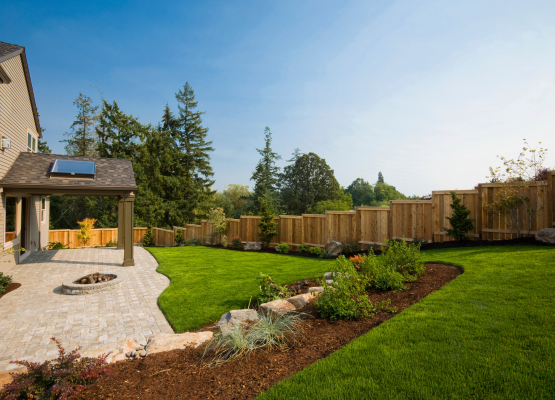
Want your mulch to work hard and look good doing it? Use mulch to define beds, create contrast, and elevate your garden design:
- Use black mulch around light-colored flowers for bold contrast
- Try straw mulch in rustic gardens or cottage-style beds
- Create patterns with mulch and stone for a custom border look
- Pair gravel with raised beds for a clean, modern touch
- Use dyed mulch in front beds to boost curb appeal instantly
Using Garden Mulch for Pollinator-Friendly Landscapes
Mulch can do more than just suppress weeds and hold in moisture—it can also support pollinator-friendly garden design. If you’re planting flowers to attract bees, butterflies, or hummingbirds, your choice of mulch can either help or hinder their health.
Here’s how to make your mulch work with nature, not against it:
- Avoid dyed or chemically treated mulch in pollinator gardens. Many dyed mulches contain additives that can leach into the soil or repel beneficial insects.
- Choose natural, organic materials like shredded bark, leaf mulch, or compost. These break down safely and help improve the surrounding soil—supporting stronger, more nectar-rich blooms.
- Keep mulch a few inches away from the base of pollinator plants like milkweed, echinacea, and bee balm to allow airflow and access to low-lying foliage.
- Leave some bare ground. Certain native bees nest in the soil and need small, mulch-free zones to burrow and lay eggs.
Mulch also plays a role in keeping flowering beds hydrated during the hottest parts of the season, which extends bloom time—a huge bonus for both gardeners and pollinators.
By making thoughtful mulch choices, you not only reduce maintenance in your pollinator garden, but also help support a thriving ecosystem right in your backyard.
Garden Mulch for Raised Beds and Container Gardens
While mulch is most commonly used in in-ground garden beds, it’s equally important in raised beds and even large container gardens. These setups dry out faster and often need more frequent watering and maintenance—but mulch can change that.
Benefits of mulching raised beds include:
- Improved moisture retention: Raised beds drain quickly, especially in summer. Mulch helps keep the root zone hydrated for longer.
- Weed prevention in compact spaces: Even small raised beds can be overtaken by weeds if left uncovered. A layer of mulch stops them in their tracks.
- Temperature regulation: In early spring or fall, mulch helps keep soil temperatures stable in raised containers.
- Soil enrichment: Organic mulches break down faster in raised beds, feeding the soil more rapidly.
The same materials work well here—think straw, compost, shredded leaves, or bark mulch. In small spaces, finer mulches are easier to work with and less likely to blow away.
For container gardens, a thin layer of mulch (1–2 inches) over the soil can make a big difference in water retention and root health, especially in full-sun patios or balconies.
No matter where you’re planting, mulch is your ally. It keeps soil where it belongs, extends the life of your soil mix, and supports stronger, more resilient plants.
Seasonal Mulching Tips for Year-Round Garden Health
Garden mulch isn’t just a springtime task—it plays a role in every season. Applying the right mulch at the right time helps you protect your plants, improve soil health, and reduce seasonal stress on your garden.
Spring
Early spring is prime time for mulching. Once the soil has thawed and warmed slightly, apply a fresh 2–3 inch layer to prevent weed seeds from germinating and to lock in early-season moisture. Compost mulch or bark mulch is ideal here.
Summer
In hot weather, mulch helps keep the soil cool and moist. If you notice mulch has thinned due to wind or rain, top it off. This is also the time to mulch heat-sensitive veggies and flowers. Straw mulch is especially helpful in vegetable gardens during this season.
Fall
As the growing season ends, mulch can be used to protect perennials, flower bulbs, and root crops. Apply mulch in late fall to insulate the soil against freezing temps. Shredded leaves, pine needles, or straw are excellent choices for winterizing your beds.
Winter
In colder climates, mulch acts like a blanket for your soil and plant roots. Once the ground has frozen, add a thicker layer (up to 4 inches) around shrubs, trees, and dormant garden beds. This prevents frost heaving and keeps soil temperatures stable.
By tailoring your mulch strategy to each season, you’ll get the most value out of every yard of mulch—and your garden will thank you all year long.
Choosing Garden Mulch for Eco-Friendly Landscaping
If you’re looking to build a more sustainable garden, mulch is an essential element of eco-friendly landscaping. It reduces water waste, cuts back on chemical use, and builds healthier soil—all while keeping your yard looking polished and professional.
Here’s how mulch supports sustainability:
- Reduces watering needs: By holding in moisture, mulch minimizes the frequency and amount of water needed to keep plants hydrated.
- Eliminates the need for herbicides: Mulch naturally suppresses weeds, making chemical weed killers unnecessary.
- Improves soil organically: As it decomposes, organic mulch adds nutrients back into the soil, reducing your reliance on synthetic fertilizers.
- Recycles green waste: You can create your own mulch using fallen leaves, grass clippings, or shredded branches—reducing landfill waste.
- Supports biodiversity: Natural mulch fosters healthy microbial life in the soil and can even create shelter for pollinators and beneficial insects.
If you’re shopping with sustainability in mind, choose undyed, untreated mulch materials. Compost, shredded leaves, straw, and natural bark are all excellent, earth-friendly options that align with regenerative gardening practices.
When used thoughtfully, mulch becomes more than just a landscaping material—it’s a way to nurture your plants and the planet at the same time.
Final Thoughts: Make Garden Mulch Your MVP
Whether you’re growing vegetables, cultivating perennials, or creating a show-stopping flower bed, mulch brings beauty, balance, and serious benefits to your outdoor space. It’s one of the easiest ways to build a thriving garden that looks great and functions even better.
At Mulch and More, we make it simple to get the right mulch for your space. With a wide variety of garden mulch options, expert advice, and local delivery, we’re your go-to source for a healthier, better-looking landscape.
Order online, stop by in-store, or call us today to find the perfect mulch for your garden—no guesswork required.
FAQ: Garden Mulch
What is garden mulch used for?
Garden mulch is used to suppress weeds, retain soil moisture, regulate soil temperature, prevent erosion, and enrich the soil—all while improving the look of your landscape.
What is the best mulch for gardens?
For flower and vegetable gardens, the best mulch is organic and untreated—like shredded bark, straw, compost, or leaf mulch. These types improve soil health over time.
How deep should mulch be in a garden bed?
Apply 2 to 3 inches of mulch. This depth is ideal for weed suppression and moisture retention without smothering your plants.
Can I use dyed mulch in my garden?
You can use dyed mulch in ornamental flower beds, but avoid it in vegetable gardens. Stick with natural mulch if you’re growing food to avoid any potential chemical leaching.
How often should I replace garden mulch?
Organic mulch should be refreshed once or twice per year, depending on the material and weather conditions. Monitor for thinning or decomposition.