Not every wood-burning setup has the same needs. A backyard fire pit used a handful of times each fall is a very different situation than a wood stove serving as a primary heat source through a Pennsylvania winter. While our mixed hardwood firewood works well across all three, understanding how each setup uses wood differently can help you order the right amount — and burn it the right way — for your specific situation.
Fire Pits: Ambiance First, Efficiency Second
Outdoor fire pits are usually about atmosphere rather than heating a structure, which changes what matters most:
- Smaller, more manageable pieces tend to work better than large splits, since fire pits typically have less depth than an indoor firebox.
- Aroma and visual appeal carry more weight for fire pit use — maple, in particular, is often appreciated for a pleasant smell when burned outdoors.
- Lower total volume needed. Most households using a fire pit occasionally — weekend gatherings, a few nights a month in fall — get through a season on a partial cord rather than a full one.
- Seasoning still matters just as much outdoors. Green wood in a fire pit produces the same smoke and poor-burning issues it would indoors; the open air just makes it less obvious.
Fireplaces: The Middle Ground
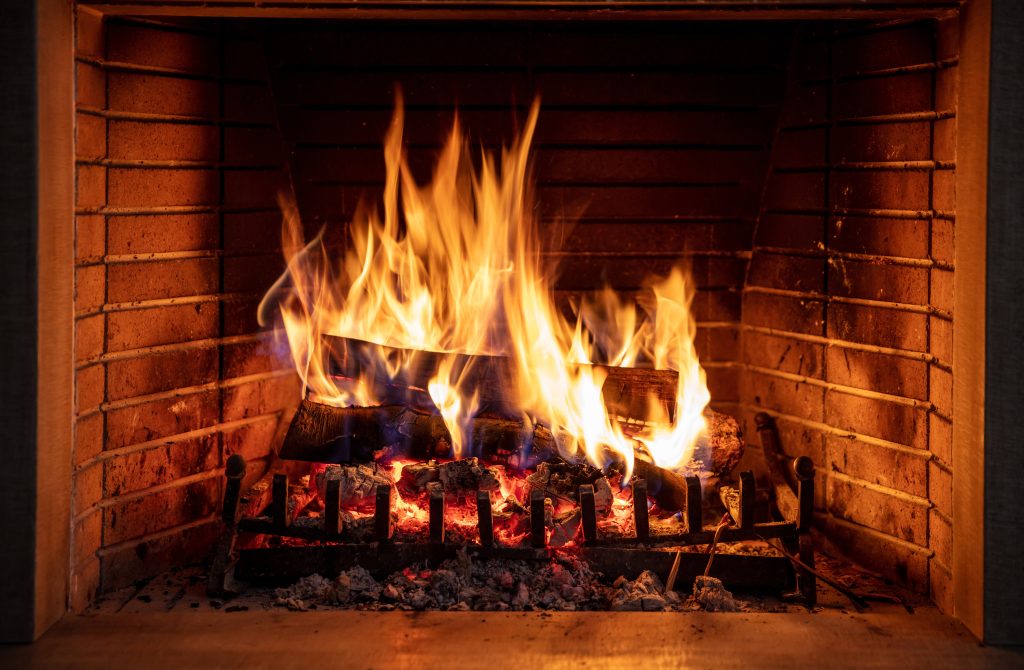
A traditional indoor fireplace sits between a fire pit and a wood stove in terms of both wood volume and burn efficiency:
- Well-seasoned wood is non-negotiable indoors. Smoke and creosote buildup are a bigger concern in an enclosed chimney system than an open-air pit, making moisture content the single most important factor.
- A mixed load works well, since fireplaces benefit from the easy-starting quality of lighter woods like poplar combined with the sustained heat of oak and ash once a fire is established.
- Regular users should plan for a half to full cord per season, depending on how often the fireplace is used and how cold the winter runs.
- Log size matters for firebox dimensions. If your fireplace opening is on the smaller side, ask about split sizing when you order so logs fit comfortably without excessive cutting or splitting on your end.
Wood Stoves: Efficiency and Volume Matter Most
Wood stoves are built for sustained, efficient heat output, often as a primary or significant supplemental heat source — which means the stakes for wood quality and quantity are highest here:
- Denser woods like oak perform best for overnight burns, since they burn longer and more steadily than lighter species.
- Properly seasoned wood isn’t optional. Wood stoves are more sensitive to moisture content than open fireplaces, since inefficient combustion directly reduces the heat output you’re relying on.
- Expect to need more wood overall. Households using a wood stove as a significant heat source commonly go through multiple full cords across a winter, particularly in colder months.
- Consistent supply matters. If a stove is your primary heat source, running out mid-winter is a real problem — planning ahead and possibly scheduling more than one delivery across the season is worth considering.
Matching Order Size to Your Setup
If you’re not sure how much wood your specific setup requires, our guide to cords, face cords, and ricks is a good starting point for understanding volume, and it’s worth erring toward ordering slightly more than you think you’ll need for your first season — running short mid-winter is a far more common problem than having a little extra left over for next year.
Storage Differs by Use Case Too
A fire pit user pulling wood from a small stack every few weekends has different storage needs than a wood stove household cycling through a full cord over a winter. Our firewood storage guide covers stacking and covering techniques that apply regardless of setup, with notes on keeping a smaller, easily accessible supply near the house for frequent use.
Getting the Right Wood for Your Setup
Whatever you’re burning wood in, starting with a properly seasoned, well-balanced mixed hardwood blend gives you a solid foundation. Contact us or call (610) 644-8086 to talk through your setup and figure out the right order size before the season gets underway.