Building a good fire sounds simple until you’re standing in front of a cold fireplace with a pile of logs that refuses to catch. The difference between a frustrating, smoky fire and a steady, warm one usually comes down to three things: the quality of your wood, the way you stack it, and how much air it gets. Once you understand those basics, lighting a fire becomes easy and repeatable, whether it’s a weeknight fire indoors or a weekend gathering around the backyard fire pit.
Start With Dry, Seasoned Firewood
Before you strike a match, check your wood. Seasoned firewood has dried long enough that its moisture content has dropped to roughly 20 percent or lower, which lets it ignite quickly, burn hot, and produce far less smoke. Green wood is full of trapped water, so a lot of the fire’s energy goes into boiling that moisture away instead of producing heat.
If you’re not sure how dry your wood is, look for gray, cracked ends, noticeably light weight, and a sharp, hollow sound when two pieces are knocked together. Our guide to seasoned vs. green firewood walks through each of these signs. Starting with properly dry wood solves most of the problems people blame on their fireplace.
Gather Tinder, Kindling, and Fuel Wood
A fire builds in stages, and each stage needs the right material:
- Tinder catches a spark or flame easily. Think crumpled paper, dry bark, or commercial fire starters.
- Kindling is small, dry sticks or thin splits, roughly the thickness of a finger up to a thumb. It takes the flame from the tinder and builds real heat.
- Fuel wood is your main logs. These burn longer and provide the lasting warmth.
Gather all three before you start, so you’re not hunting for more kindling while your tinder burns out. A mixed hardwood blend works well here because lighter pieces such as poplar catch quickly, while denser oak and ash carry the fire once it’s established. We explain why that combination performs so well in our post on mixed hardwood firewood.
Top-Down vs. Teepee vs. Log Cabin Fire Lays
How you arrange the wood affects how easily the fire starts and how steadily it burns. Three popular methods each have a place:
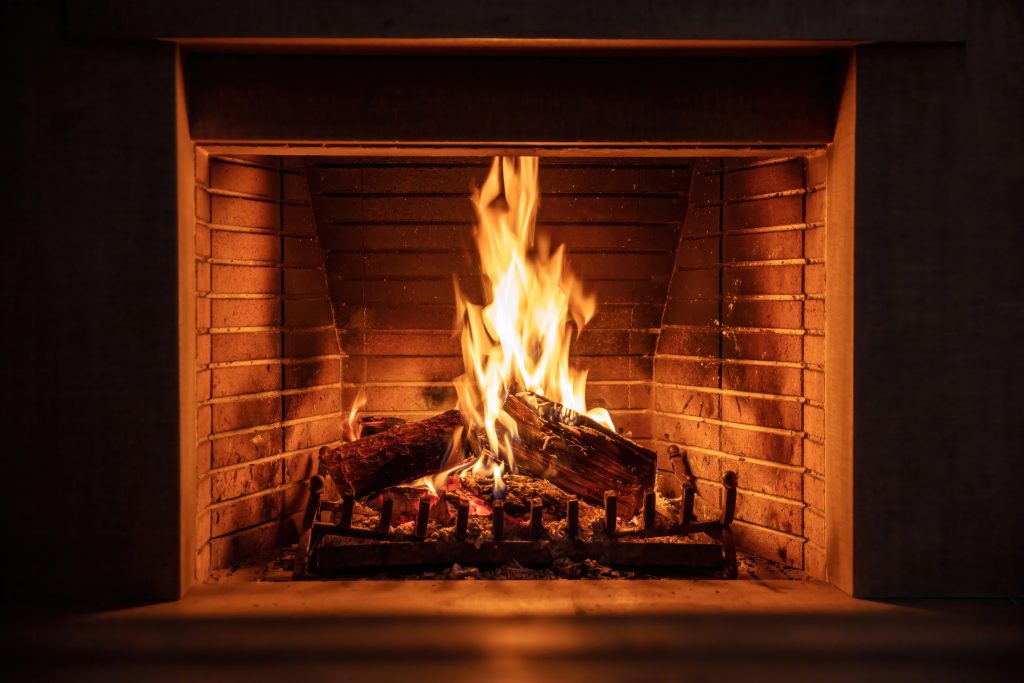
Top-down fire. Place your largest logs on the bottom, add progressively smaller pieces on top, and put the tinder and kindling at the very top. You light it from above, and the fire burns downward, igniting each layer as it goes. It tends to burn cleanly with less smoke and needs little tending, which makes it a favorite for fireplaces.
Teepee fire. Lean kindling and small splits against each other in a cone shape around a pile of tinder. The shape draws air up through the center, so it lights quickly and builds heat fast. It’s a good choice for fire pits where you want a bright, quick-starting fire.
Log cabin fire. Stack pairs of logs in alternating layers like a square, with tinder and kindling in the center. It’s stable and burns evenly, which works well for longer fires in a wide fire pit.
Step-by-Step: Building a Fire in a Fireplace
- Open the damper fully and make sure the flue is clear. Opening it before lighting prevents smoke from rolling back into the room.
- Check that the firebox is clean. A thin bed of ash is fine, but a deep pile can smother airflow, so remove excess ashes first.
- Build your fire lay using the top-down or teepee method, leaving gaps between pieces for air.
- Light the tinder, and let the flame catch the kindling before adding more wood.
- Add logs gradually as the fire grows, placing them so air can still move between them.
- Use a screen or glass doors to contain sparks, and never leave a burning fire unattended.
Never use gasoline, lighter fluid, or other accelerants to start a fireplace fire. Dry tinder and kindling are all you need with seasoned wood.
Building a Fire in a Backyard Fire Pit
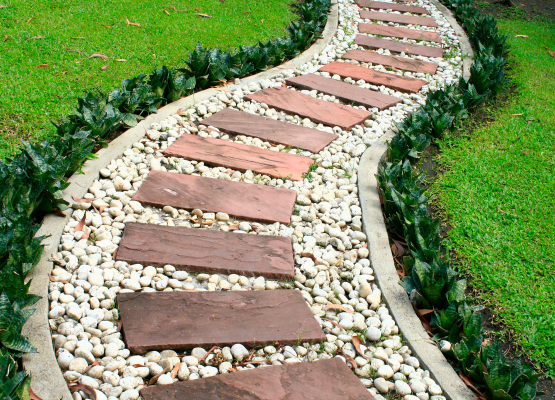
Fire pits follow the same basic rules, with a few outdoor-specific considerations. Place the pit on a stable, non-combustible surface away from structures, overhanging branches, and dry grass. A base of stone or gravel under and around the pit helps contain embers and keeps the area tidy. Check local rules and conditions before lighting, especially on dry or windy days. Build your fire lay in the center, keep a way to extinguish it nearby, and fully put the fire out before heading inside.
If you’re deciding which wood suits your fire pit versus your fireplace or stove, our comparison of firewood for fire pits, fireplaces, and wood stoves breaks down how each setup uses wood differently.
Common Mistakes That Make Fires Hard to Light
Most fire-building problems come from a handful of repeat mistakes:
- Using wet or green wood, which hisses, smokes, and struggles to stay lit.
- Packing logs too tightly, which blocks the airflow a fire needs to breathe.
- Skipping kindling and trying to light large logs directly with a single piece of paper.
- Closing the damper too early, which starves the fire and fills the room with smoke.
- Adding big logs too soon, before the kindling has built enough heat to ignite them.
Fix those, and most fires light on the first try.
Keep Your Wood Dry Until You Burn It
Even the best fire-building technique can’t rescue wood that has soaked up rain. Store firewood off the ground and covered on top, with the sides open for airflow. Our guide to firewood storage tips explains how to stack and cover a delivery so it stays ready to burn all season.
Order Seasoned Firewood for Your Next Fire
If you’re ready to stock up, browse our firewood and have it delivered to your driveway. Our overview of firewood delivery near me explains what to expect when your order arrives. Have questions about how much to order? Contact us or call (610) 644-8086.